DESIGN
Vol.136

M.T.
“Circular Design” as seen through Native American teachings


From linear to circular
A circular economy refers to a society that makes efficient use of finite resources and keeps them in continuous circulation. Practices such as recycling to minimize waste, and properly processing unavoidable waste, are also part of this model.
Until now, we have lived in a society characterized by mass production, mass consumption, and mass disposal. However, issues such as the depletion of natural resources and the increasing environmental damage caused by waste have begun to call the sustainability of our planet into question. In recent years, many people have likely come across the term “SDGs (Sustainable Development Goals).”
Globally, there is a growing movement to shift away from a linear economy—where goods flow in a straight line and are discarded without being recycled—toward a circular system in which resources continuously circulate.
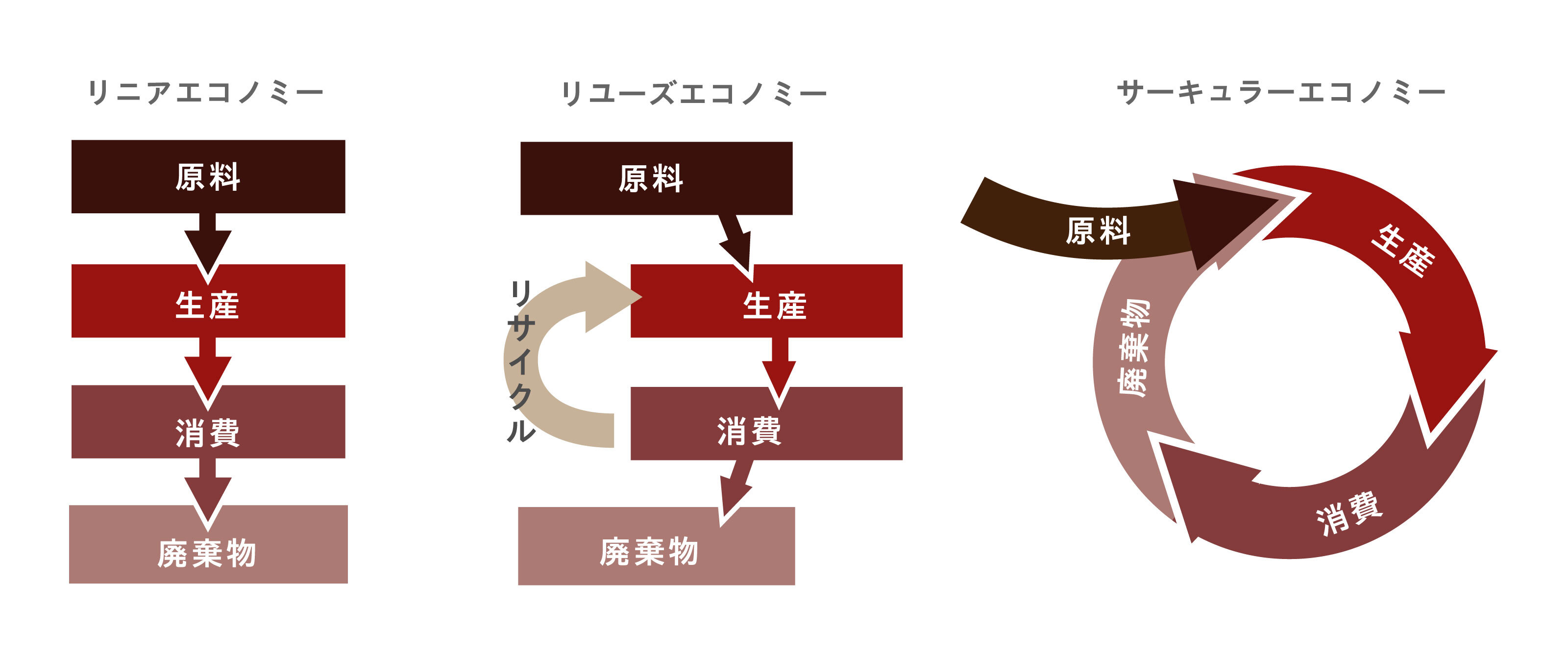
What is Circular design?
Circular design refers to the design of products and systems necessary to realize a circular economy. The concept has been promoted under the leadership of the Ellen MacArthur Foundation, which was established in the United Kingdom in 2010, with the aim of advancing both the circular economy and circular design.
According to the Ellen MacArthur Foundation, circular design is primarily guided by six key strategies:
1) Extending product lifespan… Designing for durability and ease of repair to enable long-term use.
2) From products to services… Transitioning from ownership to usage-based systems, such as subscriptions.
3) Use of circular materials… Utilizing renewable and recyclable materials, such as recycled plastics.
4) Dematerialization… Eliminating the need for physical products while maintaining their value, as seen in examples like e-books.
5) Modularity… Designing products in a way that makes repair, replacement, and upgrading easier, allowing for extended use.
6) Biologization… Using biological resources, such as bamboo toothbrushes, to enable biodegradability and reduce environmental impact.
By applying these six strategies, design can contribute to the realization of a circular economy.
Teachings of Native Americans
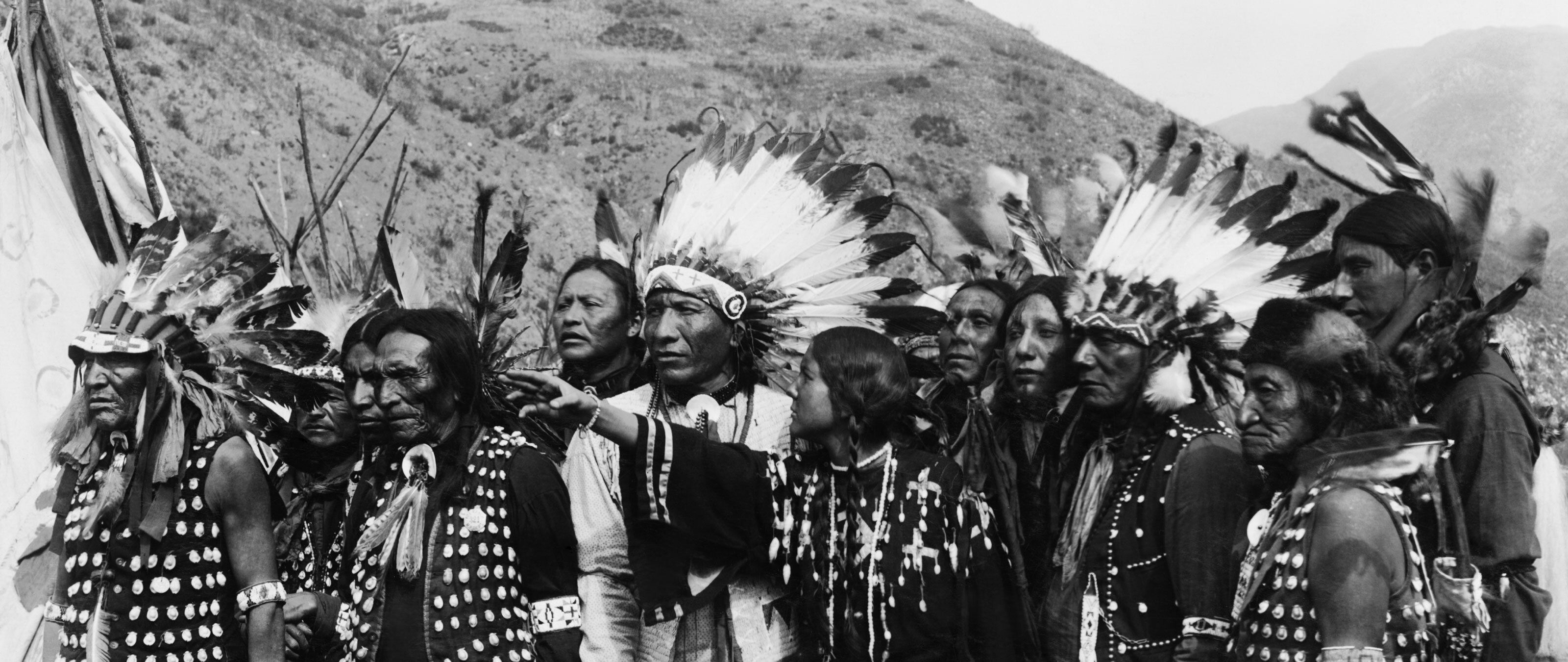
Here, I would like to touch on the culture of Native Americans. One of their teachings is to “live with consideration for the next seven generations.”
For example, even when cutting down a single tree, it is said that they first consider whether doing so would cause hardship for those living seven generations into the future. In other words, their decisions are guided not by the needs of those living in the present, but by the well-being of those who will live far into the future.
Applying this to Circular design
For Native Americans, the buffalo was not only a valuable source of food, but also an essential animal whose hide and even waste were used in daily life.
When a buffalo was hunted, it is said that they would “kill it without causing pain, return its heart to the earth, consume all that could be eaten, use what could not be eaten for items such as the threads of a dreamcatcher, and craft necklaces from its teeth to honor the life that was given for them.” (Worldview of Indigenous People Living with Consideration for Seven Generations Ahead)
Let us consider how this perspective relates to the six strategies of circular design mentioned earlier.
- “Returning the heart to the earth” → 6) Biologization
While this should also be interpreted within a cultural context, returning the heart in a biodegradable manner helps reduce environmental impact. - “Using inedible parts for dreamcatcher threads”
By repurposing these materials, they are reused rather than discarded, giving them new value.
While not all aspects directly correspond to the six strategies, I was particularly drawn to the idea of “crafting necklaces from the teeth to honor the life that was given.”
This perspective—finding not only functional value but also cultural and spiritual meaning—feels especially important when considering design.
Returning Humans to the Earth!? The Cutting-edge practice of “Human composting”
This Native American perspective of “considering the next seven generations” continues to influence modern society.
In Washington State in the United States, a venture company called “RECOMPOSE” has developed a method of burial that turns human bodies into compost.
Conventional burial methods such as cremation are known to emit large amounts of carbon dioxide, while traditional burials can contribute to soil contamination—both placing a significant burden on the environment. In contrast, it is estimated that this composting method can reduce carbon dioxide emissions by more than one ton compared to cremation or burial.
The process involves placing the body in a container lined with organic wood chips, where it is broken down at a molecular level over approximately 30 days and transformed into soil. The resulting soil can be returned to family members or friends for use in planting, or, if not taken, it is used for forest regeneration in partnership with RECOMPOSE.
In a world where land is limited, this approach eliminates the need for graves or coffins required in cremation and burial, and instead realizes a natural biological cycle in which the human body returns to the earth. In this sense, it can be seen as a design that applies circular principles to the universal human experience of death.
Reference: Returning Humans to the Earth: The World’s First “Human Composting” Begins in Seattle
Reference: RECOMPOSE Official Website
Conclusion
When we think of circular design, we often associate it with recycling-based examples—such as creating products from waste materials or producing clothing from renewable resources. However, the concept extends far beyond these applications.
When design is considered in a broader sense, it may also involve creating systems that prevent waste from being generated in the first place, or even moving away from the production of physical goods altogether. In this regard, circular design holds vast potential for the future. Designing a sustainable society—and indeed a sustainable world—may become an essential role for designers moving forward.
RECENT POSTS

Vol.203
What Is Design Management

Vol.202
Why Hiring No Longer Works— Redesigning Organizations and Decisions for an Uncertain Age

Vol.201
How to Choose a Branding Agency: 5 Criteria to Avoid Failure

Vol.200
Design Management: A Practical Guide for SMEs and Startups to Drive Real Results

Vol.199
How to Rebuild Brand Competitiveness: A Practical Guide to Brand Management for SMEs

Vol.198
From parent–child bonds to community: The future of education that nurtures diversity and designs relationships