LIFEHACKS
Vol.133

G.H.
The era of the “Metaverse” is yet to come


The Metaverse: A Virtual Space That Exists on the Internet
The word “metaverse” is a combination of “meta,” meaning beyond or transcending, and “verse,” derived from universe, implying a vast or infinite world. It refers to a digital environment where many users can deepen communication within a 3D space and experience interactions that feel closer to reality.
It is no exaggeration to say that we now live in an internet-driven society. In recent years in particular, virtual worlds have been seen as the next stage of the internet. As many companies invest in and develop this field, the metaverse has attracted significant attention, giving rise to a wide range of new ideas. In essence, the metaverse can be understood as a form of “digital virtual reality (VR)” that enables interactive human engagement.
For example, when we participate in online conferences using tools such as Zoom or Teams, we can see video and hear audio to communicate. In the metaverse, however, it becomes possible to represent 3D visuals that respond to movements of the face and hands.
In fact, by using this technology, users can move freely within virtual spaces to places they wish to go. In this sense, the metaverse can be defined as a new form of the internet that is accessible through virtual reality (VR) and augmented reality (AR) technologies.
Looking ahead, some suggest that smartphones may eventually be replaced by these technologies, making it a true technological revolution.
Changing online Shopping erxperiences
Within the metaverse, users can select groceries as if they were inside a supermarket and even complete transactions using a credit card, just as they would in a physical store.

Using digital twins or by projecting one’s own appearance onto a smartphone or similar device, users can virtually “try on” clothing and see how it fits in real time. After selecting the desired items and completing the purchase, the products are delivered to their home.
L'ORÉAL has even launched a digital-only makeup line that can be worn exclusively in virtual environments such as Zoom. By purchasing items through an app, users can apply virtual makeup filters that appear convincingly real to others on screen.
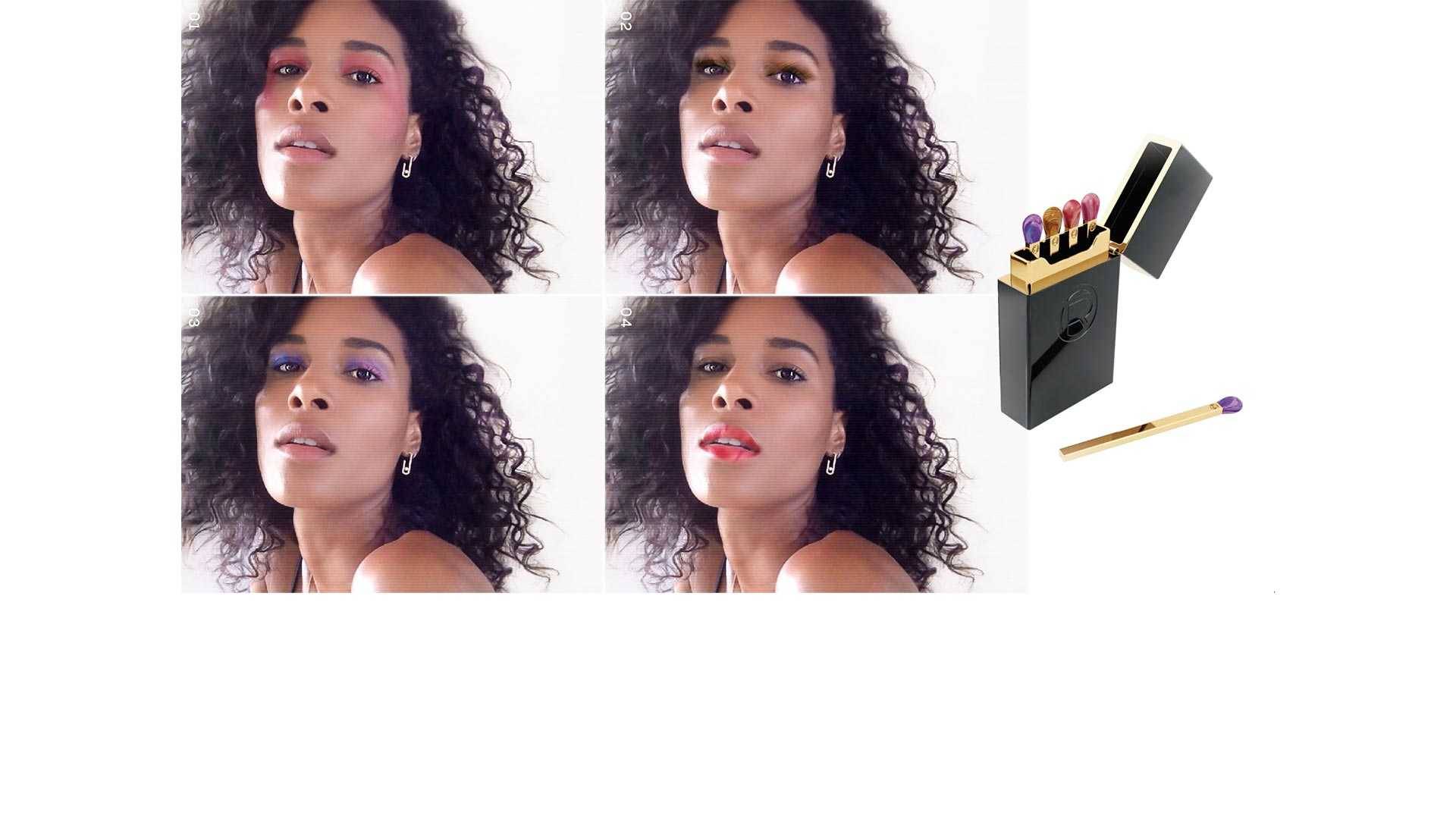
Source: L'ORÉAL Beauty Magazine
https://www.lorealparisusa.com/beauty-magazine/makeup/makeup-looks/virtual-makeup-filters.aspx
You can also view IKEA furniture in your own home using AR models and purchase them either in-store or online. IKEA offers an app called IKEA Place, which utilizes LiDAR-based augmented reality technology on smartphones. This allows users to experiment with furniture arrangements and design their interior spaces on their own.
IKEA Studio (Beta)
https://present.digital/ikea/
*As of December 24, available only in Spain, Sweden, and South Korea.
IKEA Place
https://apps.apple.com/jp/app/ikea-place/id1279244498
Gucci has also entered the virtual space by launching digital wearables. Designed by Creative Director Alessandro Michele, the digital sneakers “Gucci Virtual 25” were released at a price of $12.99 per pair. They are available through the Gucci Sneaker Garage within the official Gucci app.
Online shopping is shifting from traditional 2D interactions to fully immersive virtual experiences.
The era of simply clicking on flat images and adding items to a shopping cart is gradually coming to an end.
In its place, a far more immersive and experiential form of virtual shopping is emerging.
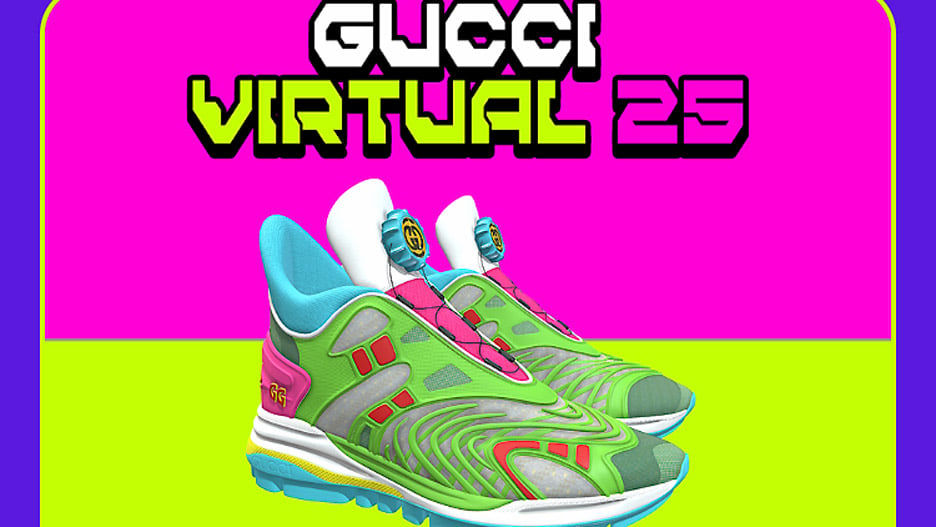
Source: dezeen
https://www.dezeen.com/2021/03/19/virtual-25-gucci-wanna-digital-sneaker/
The Future transformed by the Metaverse
I am a foreigner who has been living in Japan for nearly ten years. In the past, it took me as long as 22 hours by plane to visit my family and friends back home. Today, however, I can simply use tools like Zoom or Teams to talk with them through a screen.
For those who remember a time before this was possible, being able to instantly communicate with people far away still feels remarkable. And now, we are taking it one step further. In the world of the metaverse, it may become possible not only to meet, but to experience interactions that feel almost like physically touching and being present with one another.
In an era shaped by COVID-19, where meeting loved ones or traveling freely has often been difficult, the metaverse can be seen as a technology that helps overcome such limitations.
Digital technology will make our lives more comfortable in the future.
So, what kind of dream would you want to return to?
Why not step back into it—this time, through the metaverse?
RECENT POSTS

Vol.203
What Is Design Management

Vol.202
Why Hiring No Longer Works— Redesigning Organizations and Decisions for an Uncertain Age

Vol.201
How to Choose a Branding Agency: 5 Criteria to Avoid Failure

Vol.200
Design Management: A Practical Guide for SMEs and Startups to Drive Real Results

Vol.199
How to Rebuild Brand Competitiveness: A Practical Guide to Brand Management for SMEs

Vol.198
From parent–child bonds to community: The future of education that nurtures diversity and designs relationships