
A Conversation with the Departed Becomes a Conversation with Yourself
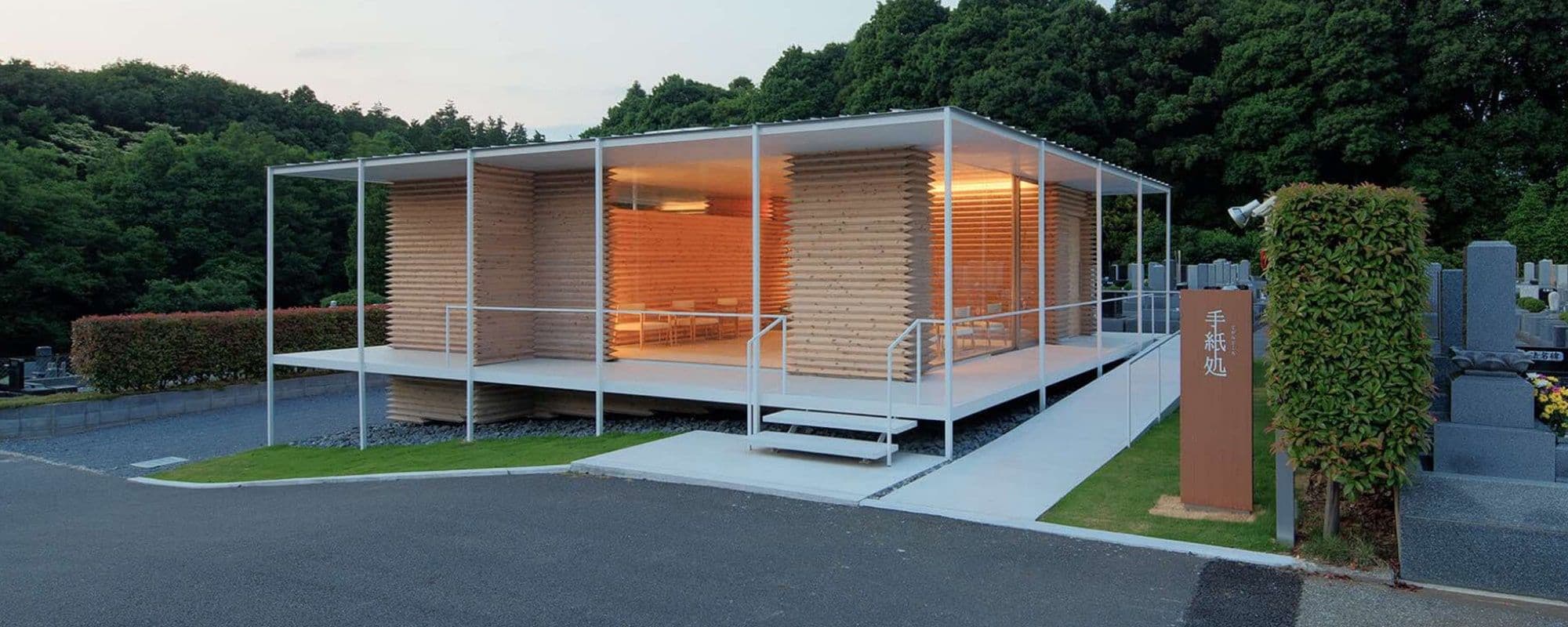
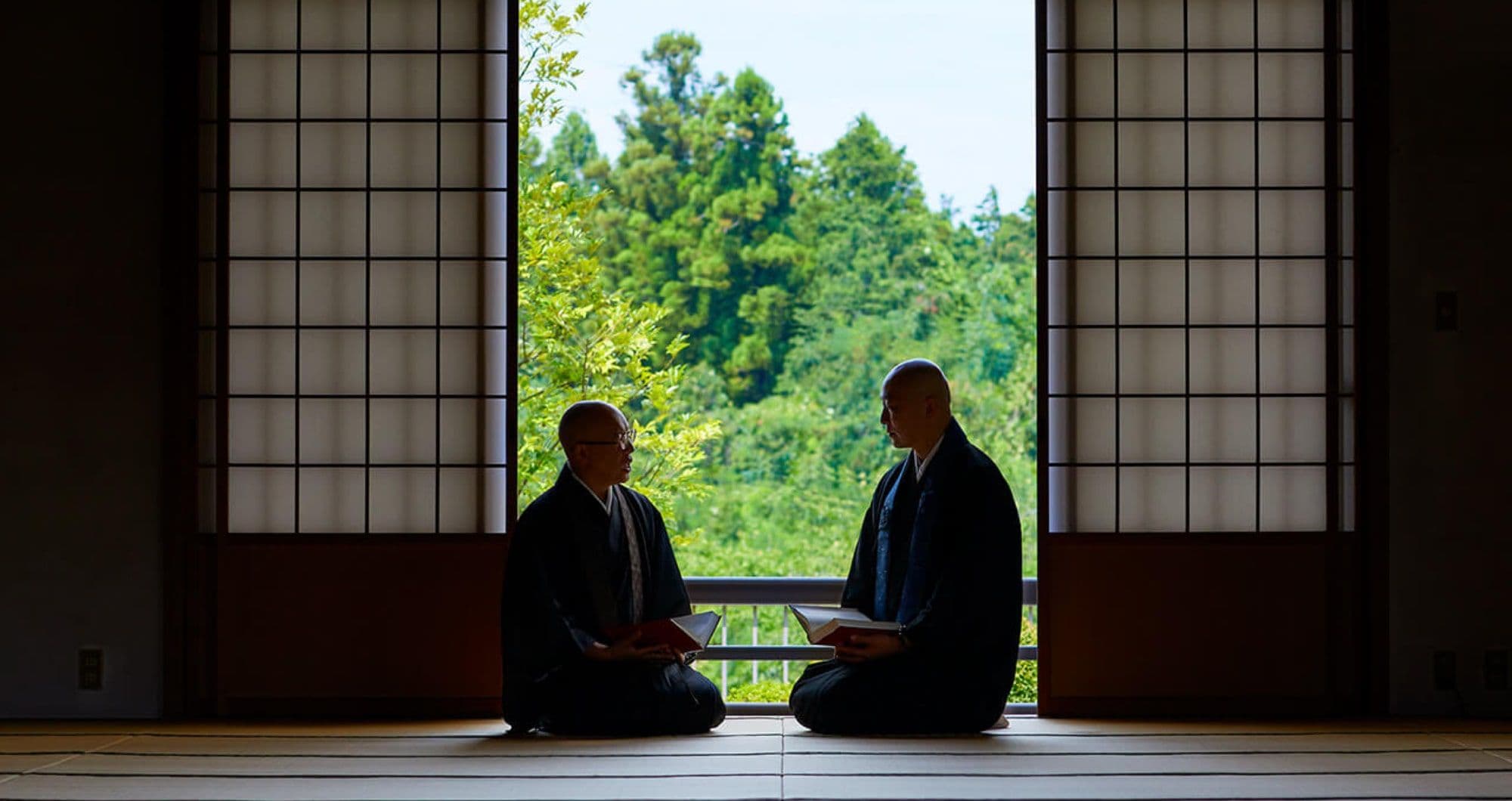
A branding project that redefined how people reflect on themselves through letters written to loved ones who have passed away Tegamidera is a place where people write letters to those who are no longer here, and in doing so, reconnect with their own hearts. Writing to a departed family member, friend, or loved one may appear to be an act of speaking to someone else. Yet, in many ways, it is also an act of speaking to oneself. This project began as an effort to bring the philosophy behind Tegami Mairi (Letter Pilgrimage), a practice developed by Shodaiji Temple, into contemporary society. Originally, BOEL was engaged to support a broader branding initiative that included reorganizing and integrating several websites operated by Shodaiji Temple. However, as the project progressed, we became deeply inspired by a unique idea that Chief Priest George Inoue had been cultivating for many years: the act of writing letters. The origins of Tegamidera can be traced back to Inoue’s own experiences. As a young man, he found himself writing letters to a former partner long after they had parted ways. Later, after losing his father at the age of twenty-three, he began writing letters to him as well. Through those letters, he discovered something unexpected. The words he wrote were not truly about the person receiving them. They were reflections of his own feelings, memories, regrets, gratitude, and hopes. Writing a letter became a way of entering into a dialogue with himself. That realization became the foundation of Tegamidera. BOEL approached the project not as the design of a website, but as the creation of a brand experience capable of communicating the deeper meaning behind Tegamidera and its philosophy to a wider audience.
Context
People had lost places where they could put their true feelings into words
Modern society offers countless ways to stay connected. Through social media and messaging platforms, communication has become faster and easier than ever before. Yet opportunities to quietly reflect on one’s own feelings have become increasingly rare. At the same time, the role of temples in everyday life has changed. For many people, temples had become places associated primarily with funerals, memorial services, and grave visits rather than places for personal reflection. However, through years of observing visitors write letters to deceased loved ones, Inoue witnessed something profound. People wrote to parents they had lost. To partners they could no longer see. To friends, family members, and loved ones who remained deeply present in their hearts. Through writing, they organized their emotions, expressed unspoken gratitude, confronted regrets, and slowly rediscovered themselves. At its core, a temple is a place for prayer and self-reflection. The challenge was how to communicate that value to modern society in a meaningful and accessible way.
Approach
Reframing letter writing as a modern form of prayer
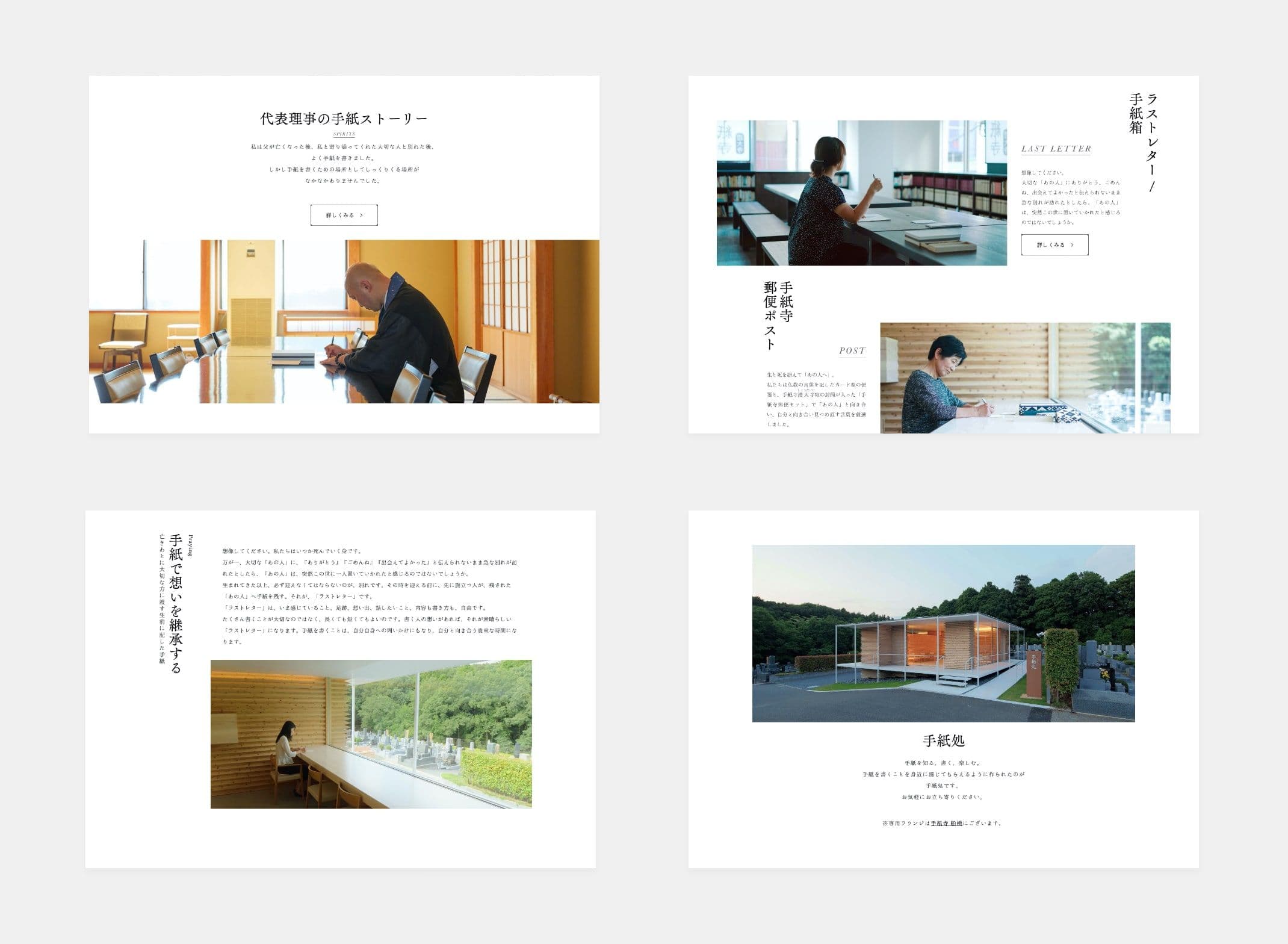
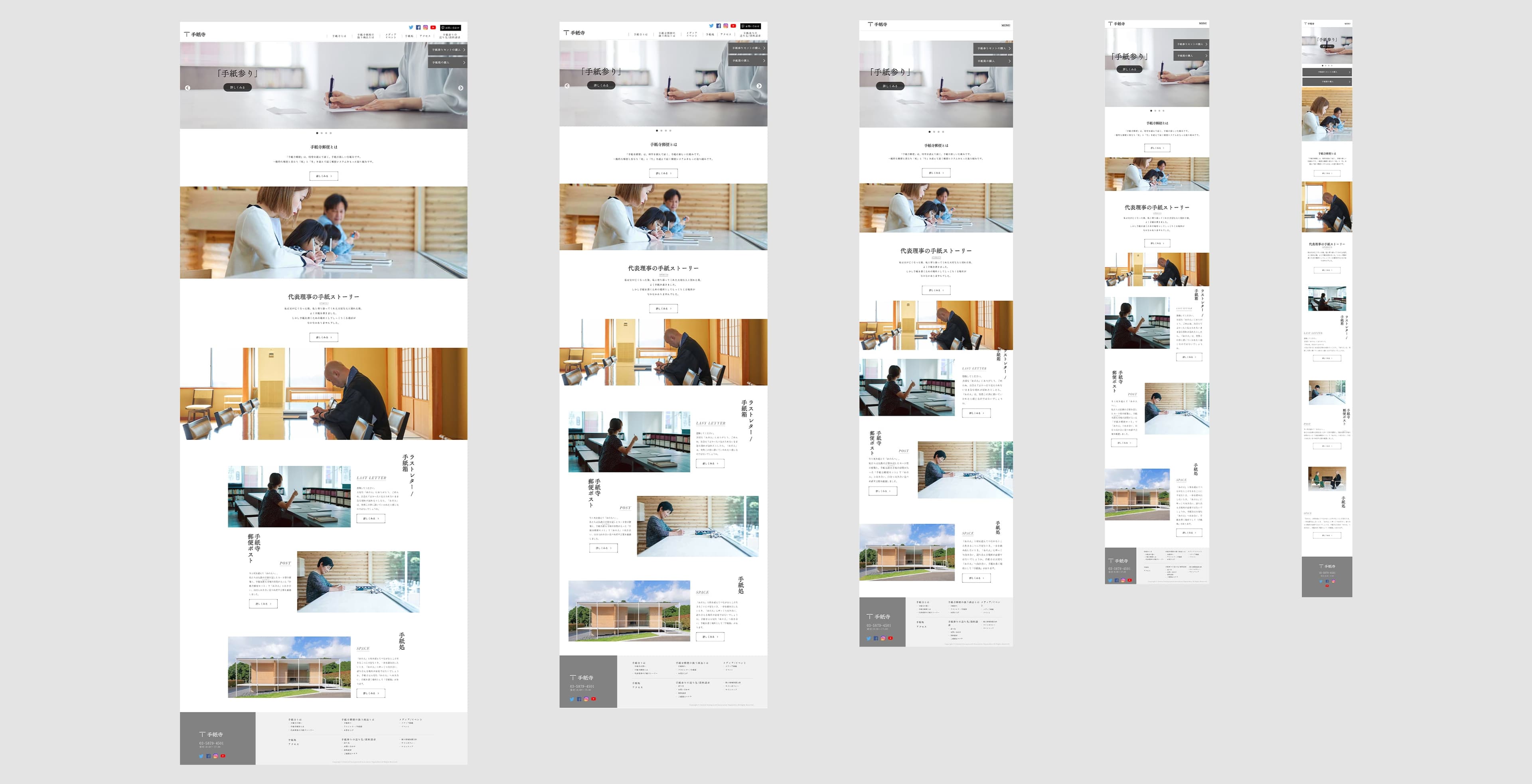
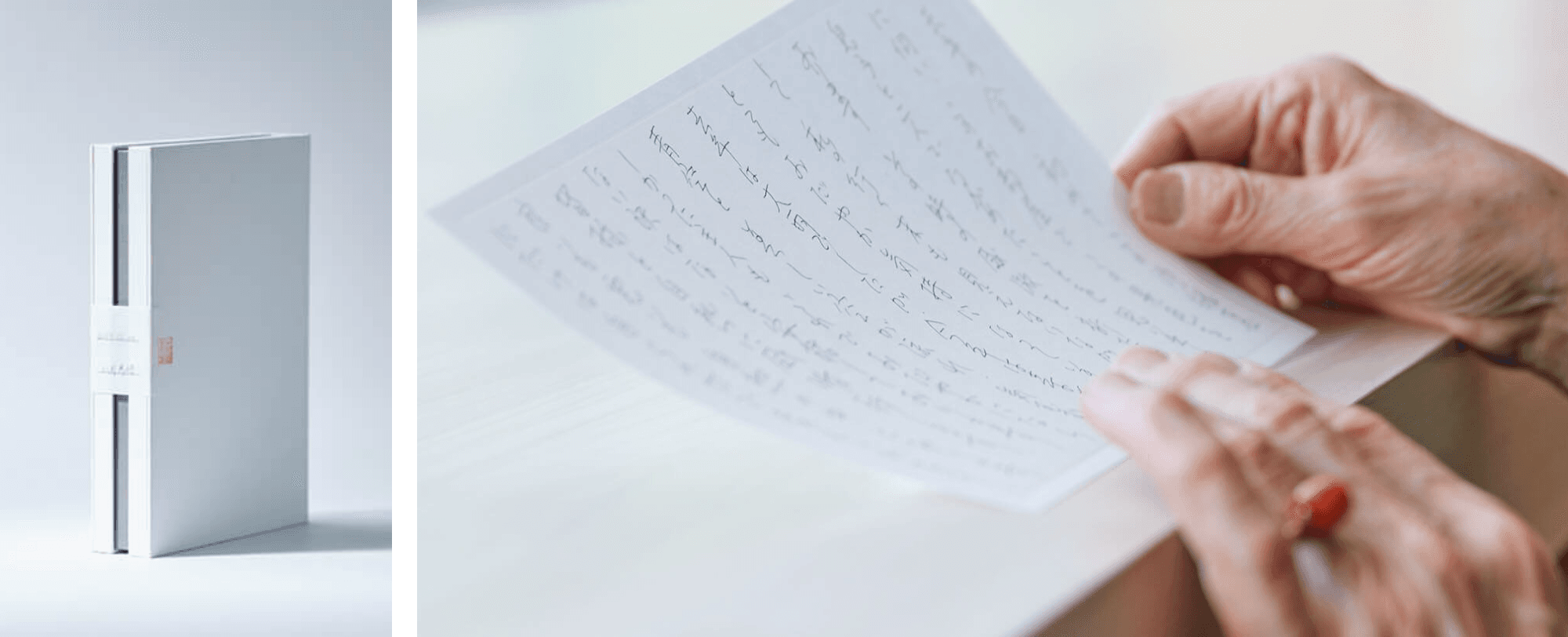
Our goal was never to explain a temple. Instead, we sought to explore a more fundamental question: Why do people write letters? The essence of Tegamidera is not the delivery of a message. It is the experience of writing itself. Writing words that no one else will read. Expressing gratitude that was never spoken. Speaking to someone who is no longer present. Through this process, people begin to hear their own inner voice. BOEL designed a brand experience that could communicate this invisible yet powerful experience. Visually, we avoided imposing specific religious interpretations or beliefs. Instead, we created a calm and welcoming atmosphere that anyone could connect with regardless of their background. The photography was completely reimagined to capture the stillness, openness, and emotional depth that emerge while writing a letter. The website itself was structured not as a platform for explaining temple services, but as an invitation to understand and experience the philosophy behind Tegamidera. By translating the chief priest’s vision into a contemporary form, BOEL helped communicate the meaning and value of letter writing to a broader audience.
Outcome
From a temple initiative to a place for self-reflection
As a result of these efforts, Tegamidera came to be recognized not simply as a temple program, but as a place where people can reconnect with themselves. Following the launch of the website, the project received positive responses from visitors, participants, and members of the temple community. More importantly, an increasing number of people resonated with the philosophy behind Tegamidera, helping spread the values that Chief Priest Inoue had been nurturing for years. The project also expanded beyond traditional temple branding. It became an invitation to consider larger questions: What does it mean to pray? Why do people write letters? How do we continue conversations with those who are no longer here? Ultimately, this project was not about creating a website for a temple. It was about designing a brand experience that helps people reclaim time for reflection through conversations with those they have lost. Perhaps letters are not written primarily to reach someone else. Perhaps they are written so that we can finally hear ourselves. Tegamidera became an initiative that helps people rediscover a conversation with themselves through a conversation with the departed.
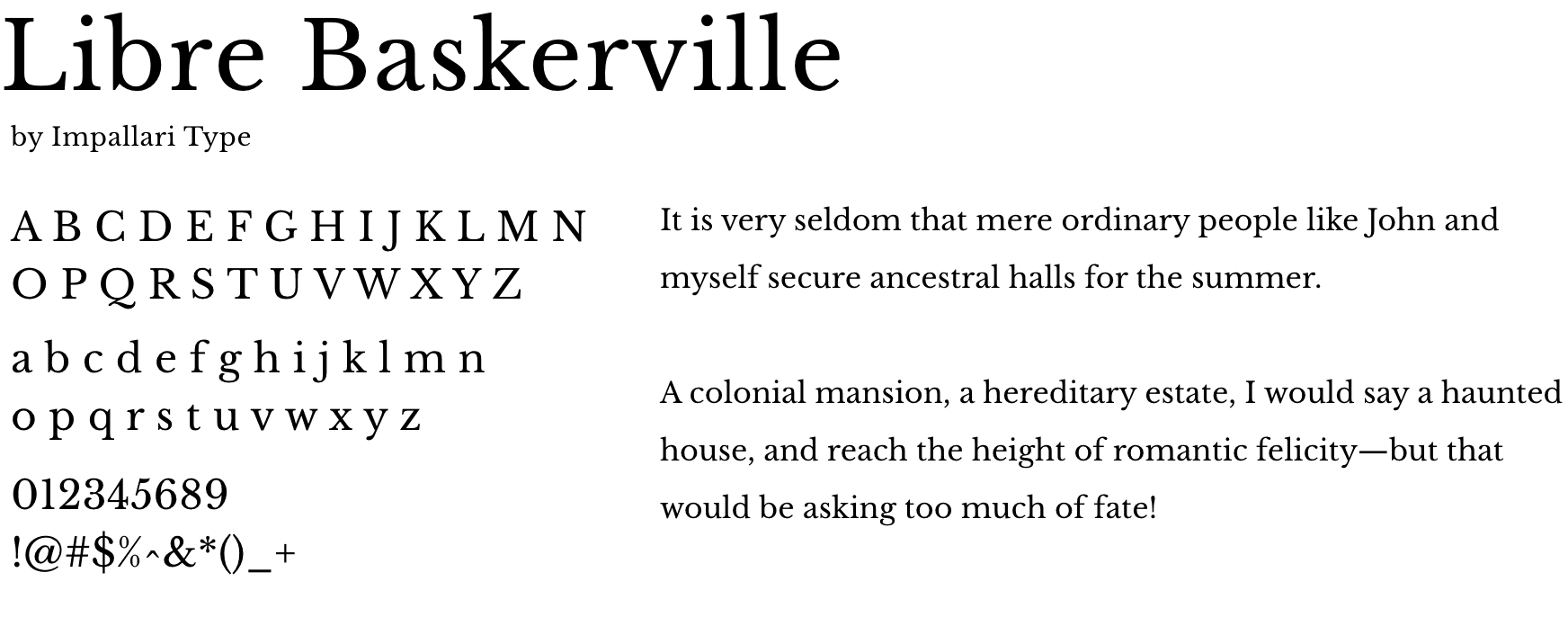
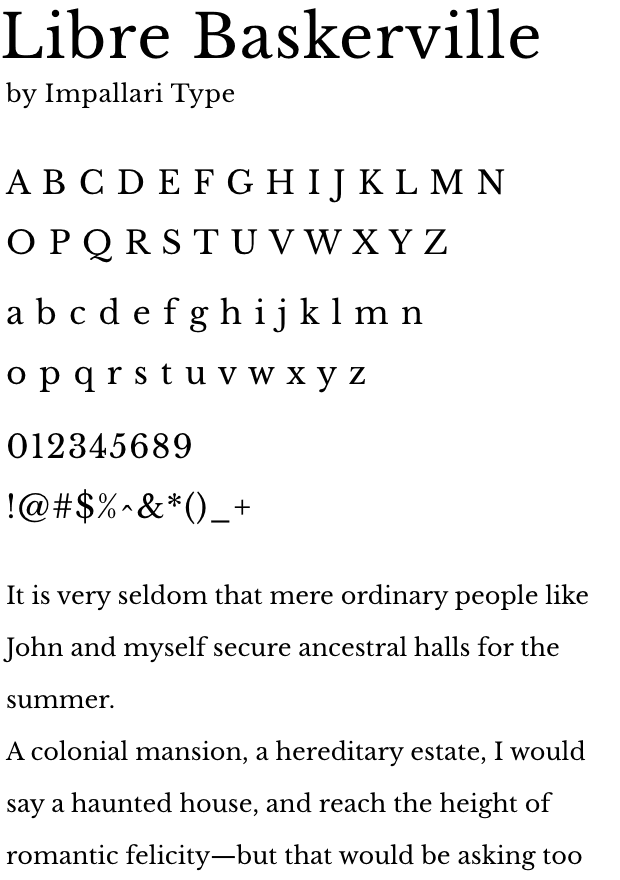
Type
faces
Color
Schemes
RGB / 255 255 255
CMYK / 0 0 0 0
HEX #ffffff
RGB / 241 241 241
CMYK / 7 5 5 0
HEX #F1F1F1
RGB / 0 0 0
CMYK / 0 0 0 100
HEX #000000




NEXT
LSBM