
Redefining the Value of Regional Airports Through Brand Experience
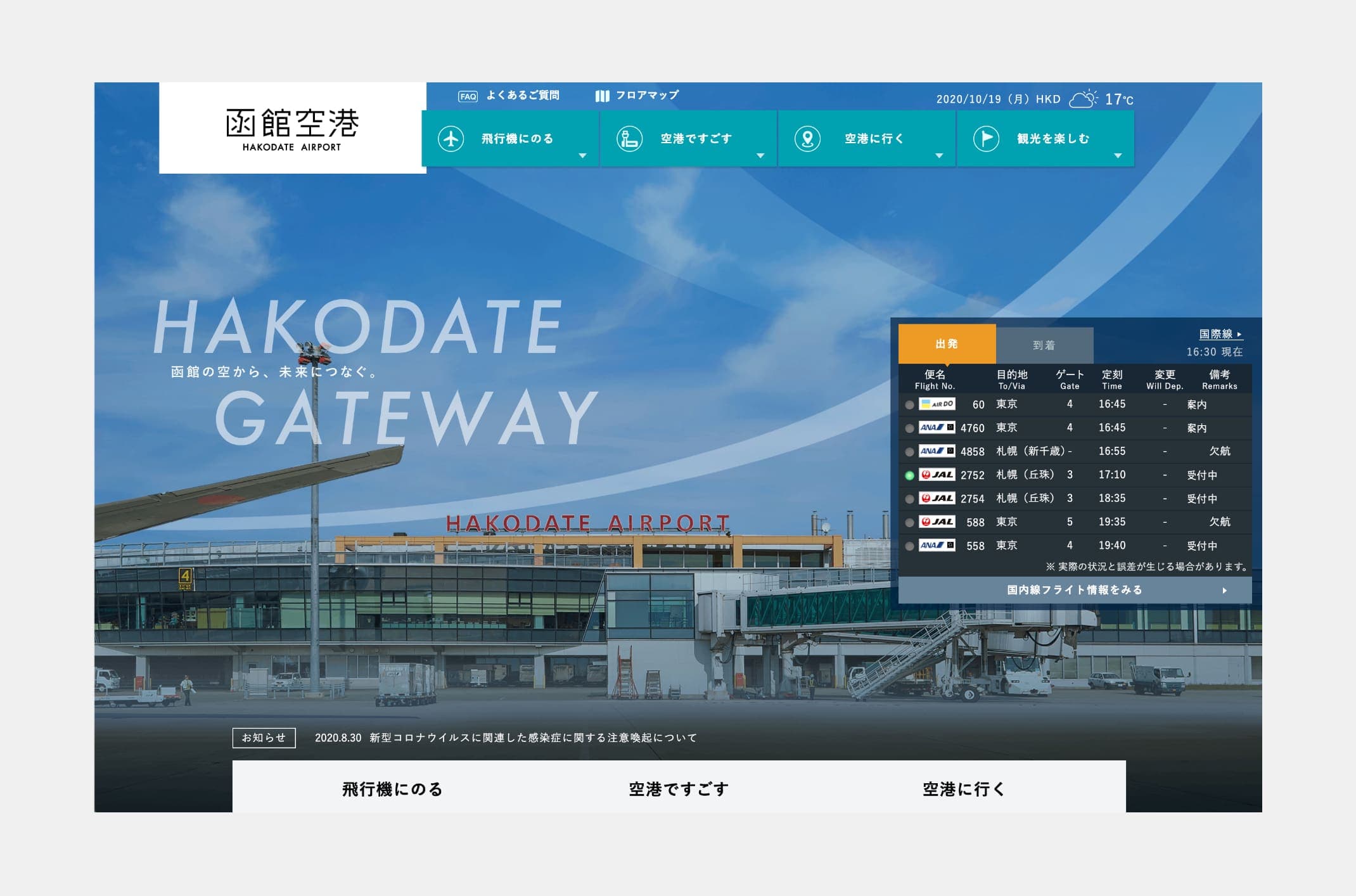
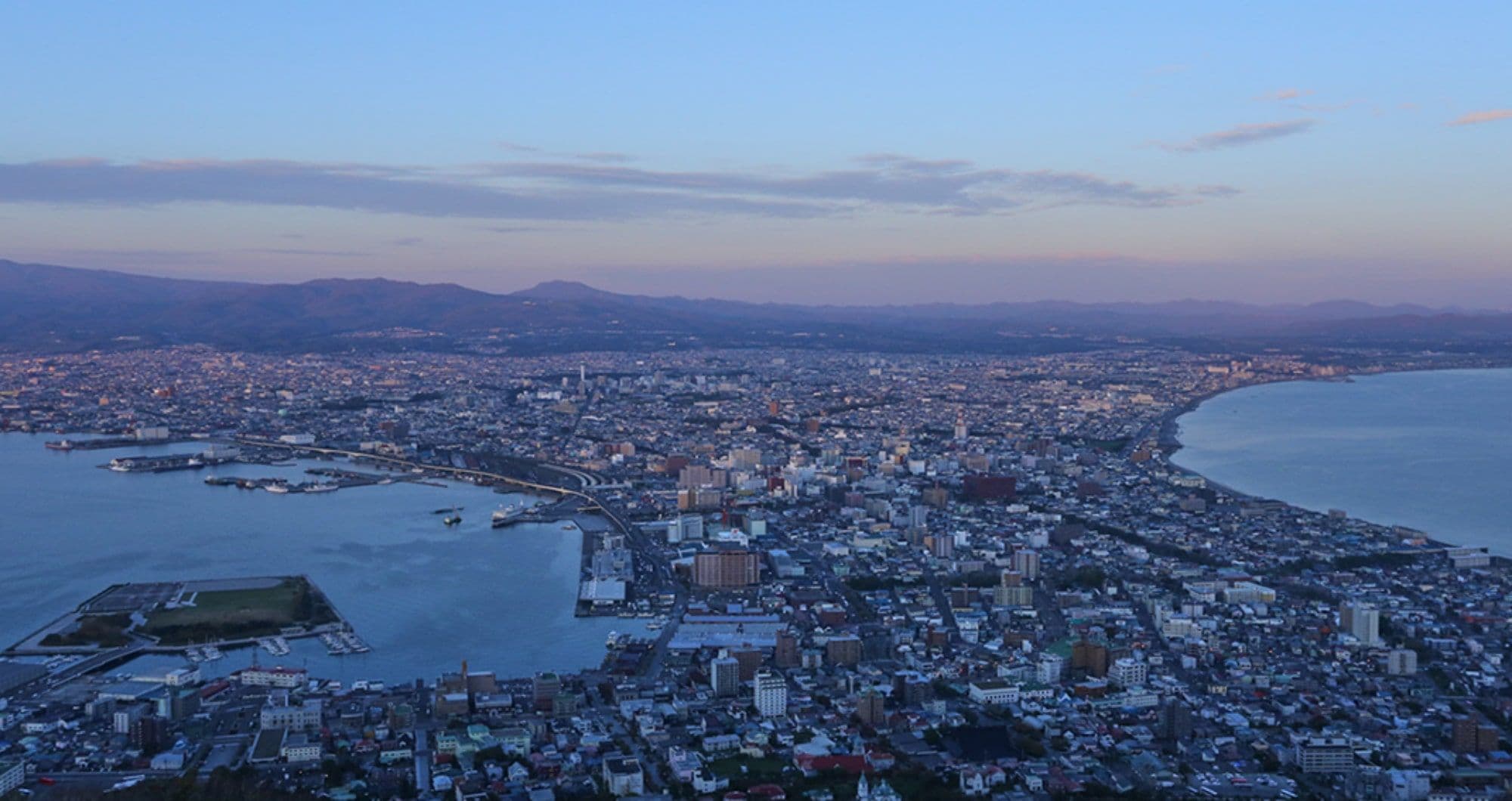
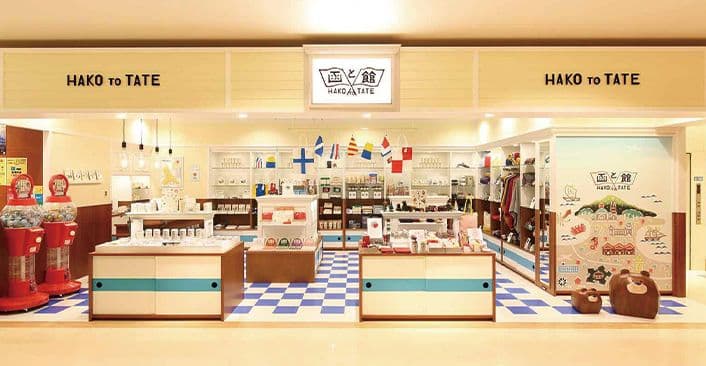
Hakodate Airport serves as the aerial gateway to southern Hokkaido, welcoming both tourists and local travelers. At the time, many regional airports in Japan were struggling to differentiate themselves. Services and facilities had become increasingly standardized, leaving airports with little visible regional identity beyond differences in local souvenirs or destinations. Airports were often viewed simply as transportation infrastructure, while their unique local value and cultural significance remained underdeveloped. Meanwhile, as airport privatization and regional tourism competition accelerated, airports were being asked to play a new role — not just as transportation hubs, but as places that connect people with the identity and experience of a region. This project redefined Hakodate Airport not simply as a regional airport, but as “the first place where people encounter Hakodate.” Through this approach, we built a new brand communication strategy that connected the airport directly with the regional brand experience. The project also incorporated the narrative and philosophy of “Hakoto-Tate,” a regional branding initiative previously developed by BOEL, integrating Hakodate’s cultural identity into the airport experience itself.
Context
Regional airports were not functioning as gateways to the regional brand experience
For many visitors, Hakodate Airport is their first point of contact with the city and region. However, the airport experience at the time focused primarily on flight schedules and facility information, making it difficult for travelers to sense what kind of experiences, culture, or atmosphere awaited them in Hakodate. Tourism information and regional navigation were fragmented, making it hard for visitors to intuitively understand how to explore the region once they arrived. Hakodate itself was also often represented through limited and fragmented imagery — such as night views and tourist attractions — while the deeper cultural context, local history, and everyday life of the city remained largely invisible. An airport should not function merely as a transit point. It is the place where travelers first encounter the worldview of a region. The atmosphere and information experienced there shape how visitors perceive the destination itself. Yet many regional airports at the time had not been designed as spaces where people could experience the regional brand. What was needed was not simply a website renewal, but a reconsideration of the airport’s fundamental value from the perspective of how a regional airport could contribute to the identity and experience of the region itself.
Approach
Designing the airport as the first touchpoint with the region
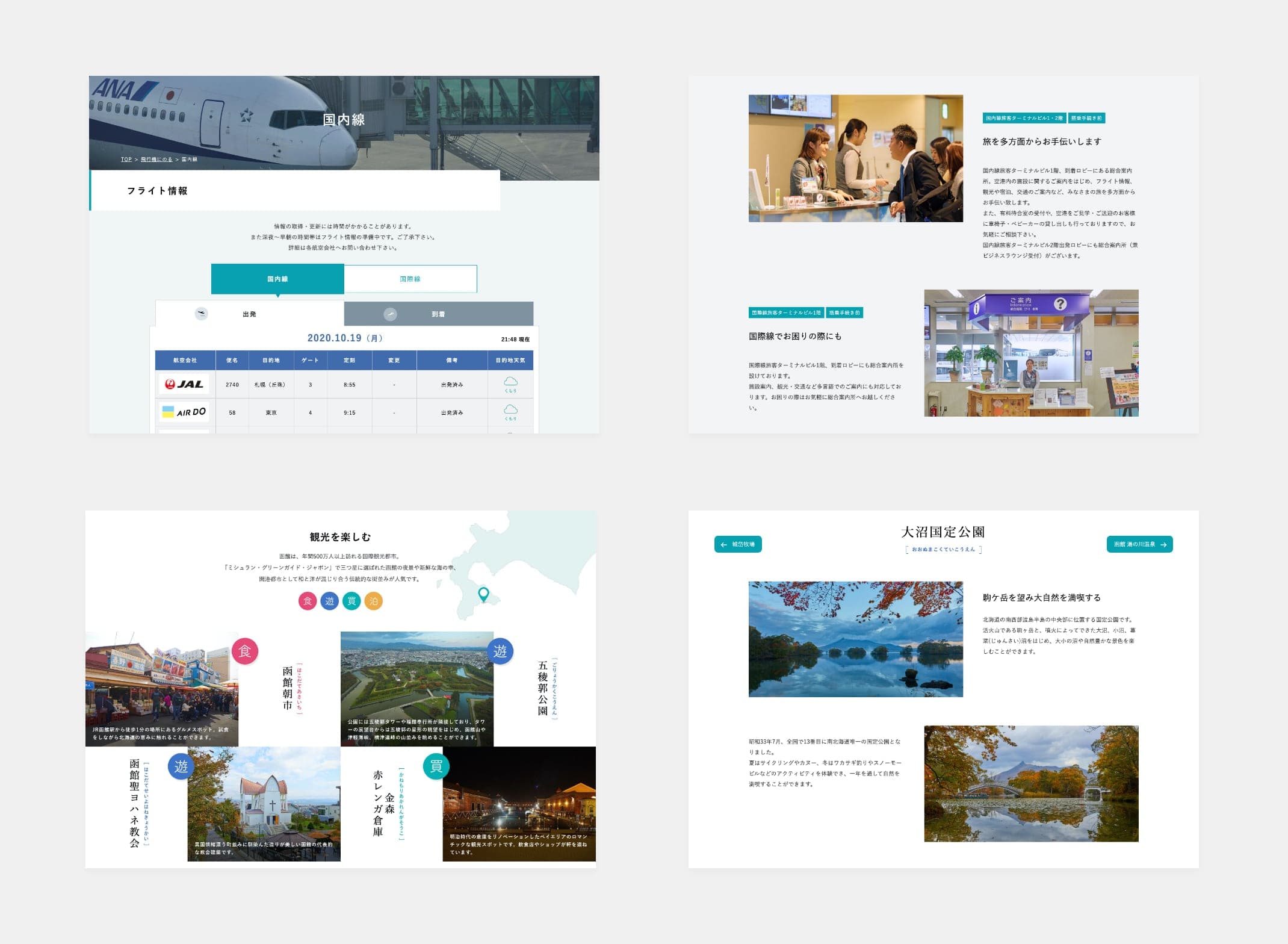
This project repositioned Hakodate Airport not as a facility guide, but as a brand experience that introduces people to Hakodate itself. Rather than simply organizing flight and facility information, the communication design focused on naturally conveying the culture, atmosphere, and rhythm of life unique to Hakodate, allowing visitors to feel what kind of journey could begin there. The entire information experience — including tourism navigation and regional circulation — was restructured so travelers could feel connected to the region immediately upon arrival. The project also drew from the narrative framework developed through BOEL’s “Hakoto-Tate” initiative, incorporating not only tourism appeal, but also the people, culture, history, and emotional atmosphere that define Hakodate as a place. The goal was never simply to increase airport usage. Instead, the project aimed to foster deeper relationships between people and the region itself through brand communication. As a result, Hakodate Airport evolved from a transportation facility into a recognizable gateway to the Hakodate regional brand experience.
Outcome
From a regional airport to a platform for experiencing the regional brand
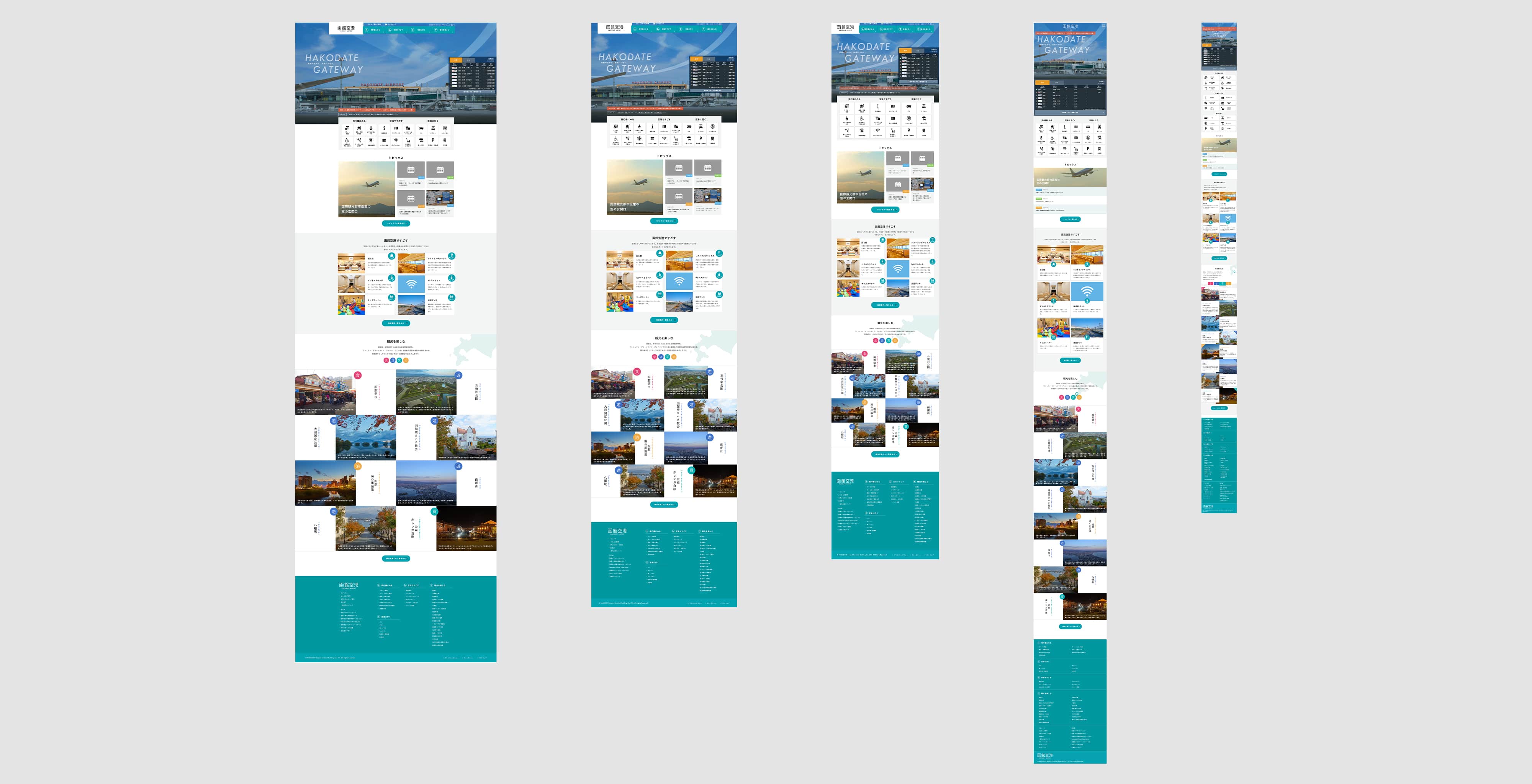
Through these efforts, Hakodate Airport developed a new identity — not merely as transportation infrastructure, but as a brand experience through which people encounter Hakodate. Visitors are now able to imagine not only where they are going, but also what kind of time, culture, and experiences await them in the region. By connecting tourism information, regional content, and airport functions into a unified experience, the airport itself began functioning as a media platform for communicating the Hakodate brand. This transformation also demonstrated a new perspective for regional airports: airports are not simply facilities for transportation, but places where the value of a region can be experienced. Ultimately, the project became more than a website redesign. It redefined the value of regional airports themselves and created a new relationship between regional brands and travelers. The project also became an important example of branding strategy within a third-sector organization, leading to further inquiries and regional branding projects throughout Hokkaido. ⸻ At the core of this project was the idea that airports should not merely provide guidance and transportation, but create meaningful encounters between people and places. By transforming the starting point of travel into the starting point of regional experience, the project redefined the role and value of regional airports.
Logo
Symbol

Type
faces


Color
Schemes
RGB / 255 255 255
CMYK / 0 0 0 0
HEX #FFFFFF
RGB / 3 162 177
CMYK / 76 20 34 0
HEX #03A2B1
RGB / 0 0 0
CMYK / 0 0 0 100
HEX #000000







NEXT
TEGAMIDERA