DESIGN
Vol.35

Designer
M.N.
10 Types of Paper Perfect for 2016 New Year’s Cards
How are your New Year’s card preparations coming along?
If you want to create original New Year’s cards that stand out from the rest, why not pay attention to the impression created by the paper itself this year?
In this article, we’ll introduce 10 types of paper perfect for 2016 New Year’s cards.


About New Year’s Cards
Next year is 2016, and according to the Chinese zodiac, it will be the Year of the Monkey!
Some people may be thinking, “Maybe I’ll just send greetings through LINE or Facebook this year.”
In today’s social media age, it’s easy to finish things off quickly with a simple “Happy New Year” message and a festive sticker.
Many people probably feel that way.
But after all, “the whole year’s plans begin on New Year’s Day.”
A heartfelt greeting card arriving in the mailbox carries a warmth that truly resonates with the recipient.
If a single postcard can help start the year’s communication smoothly, there may be no tool more delightful and cost-effective than that.
Paper comes in many different textures: smooth, rough, soft, moist, fluffy, and more.
Beyond texture, paper also has its own unique qualities such as weight, color tone, and shine.
Even when mixed in with ordinary pre-made New Year’s postcards, a carefully chosen paper will undoubtedly stand out.
Let’s explore how to create “New Year’s cards that people are happy to receive” from the perspective of paper selection.
Important Notes
The papers introduced in this article are officially known as fine papers, and many of them are not suitable for printing with home printers (inkjet or laser printers).
This is because papers designed to emphasize texture often have intentionally rough surface finishes, which can cause issues such as uneven surfaces, ink absorption, bleeding, or smudging.
When purchasing paper in stores, be sure to check the “print compatibility” information listed on the back of the product package or elsewhere.
Some products are specifically designed to work with printers, so don’t give up—try contacting the manufacturer for more details.
If you would still like to print on paper that is not printer-compatible, we recommend the following approaches:
Address side… Print the address on a label and attach it to the card.
Front/design side… Request printing services from a printing company that handles your preferred paper type.
10 Recommended Papers for New Year’s Cards
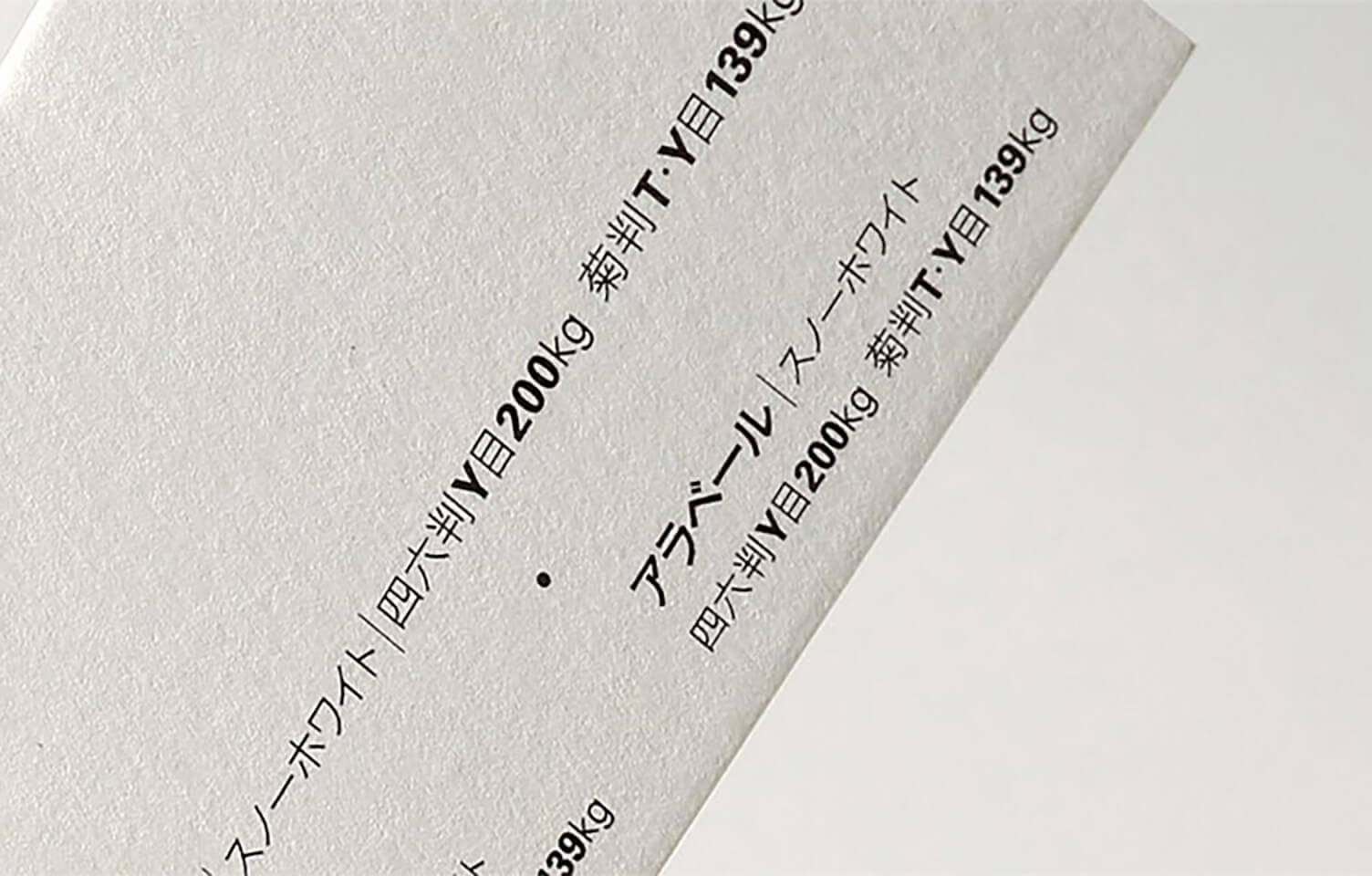
Arabelle | Snow White | 200kg
The absolute ace of BOEL Inc.—Arabelle makes its appearance here.
It may not be flashy, but it is an exceptionally well-balanced fine paper.
With its delicate and gentle texture, combined with the slight roughness characteristic of uncoated paper, it feels a bit more rustic than our other favorite, “Vannuvo,” and subtly conveys a Japanese aesthetic.
The sample shown here is “Snow White,” but choosing the slightly warmer-toned “White” gives an even softer impression, making the decision quite difficult.
Its charm lies in its refined elegance that never feels overly formal, paired with a gentle and approachable presence.
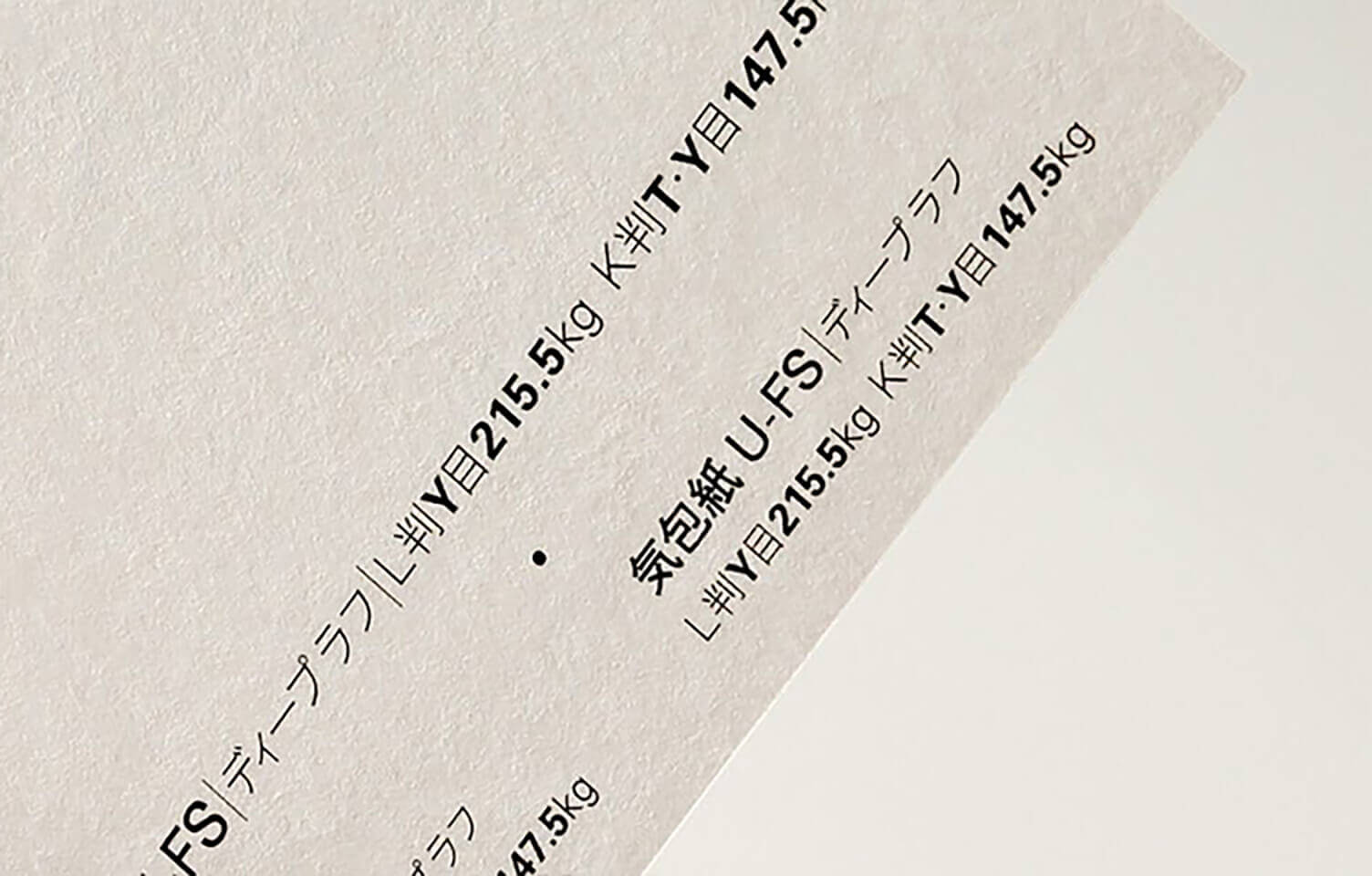
Kihoushi U-FS | Deep Rough | 215.5kg
Despite its airy texture, this paper has a firm and sturdy finish, making it highly recommended for postcard use.
Because it is positioned as a packaging paper, it also seems highly suitable for embossing, folding, and other processing techniques.
There are many variations available, including coated and uncoated finishes, as well as three texture styles: Deep Rough, Medium Rough, and Light Rough.
The uncoated Deep Rough version is especially recommended for its strong paper texture.
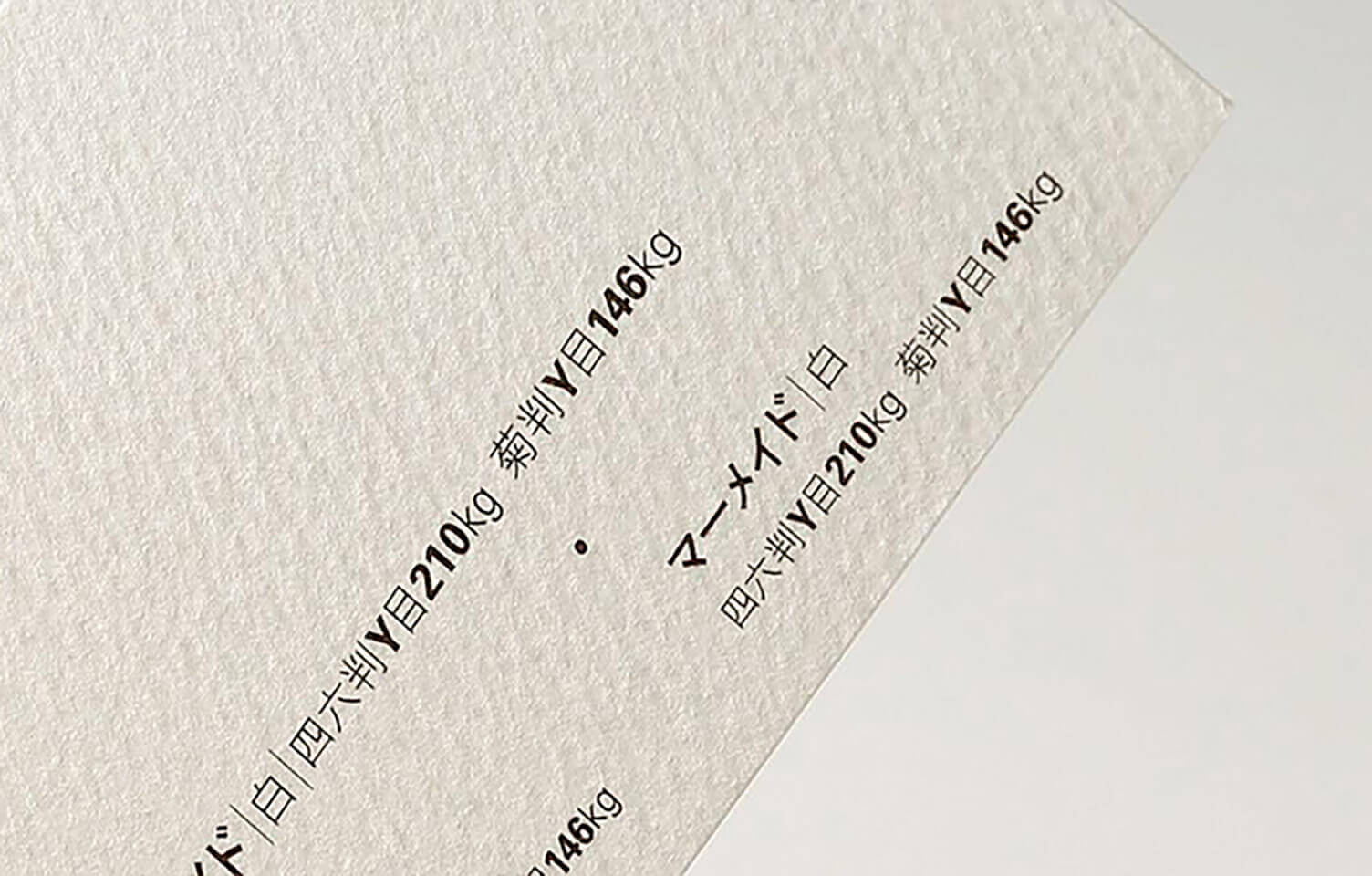
Mermaid | White | 210kg
“Mermaid,” named after the romantic image of a mermaid’s gentle waves, features a softly textured ripple pattern across its surface.
It also somewhat resembles Canson drawing paper used for art canvases.
Developed with the involvement of designer Hiroshi Hara, it became widely used in the 1960s, and its elegant, embracing character has since been used in a wide range of applications including book design.
A paper with such tradition naturally pairs beautifully with the equally traditional custom of New Year’s cards.
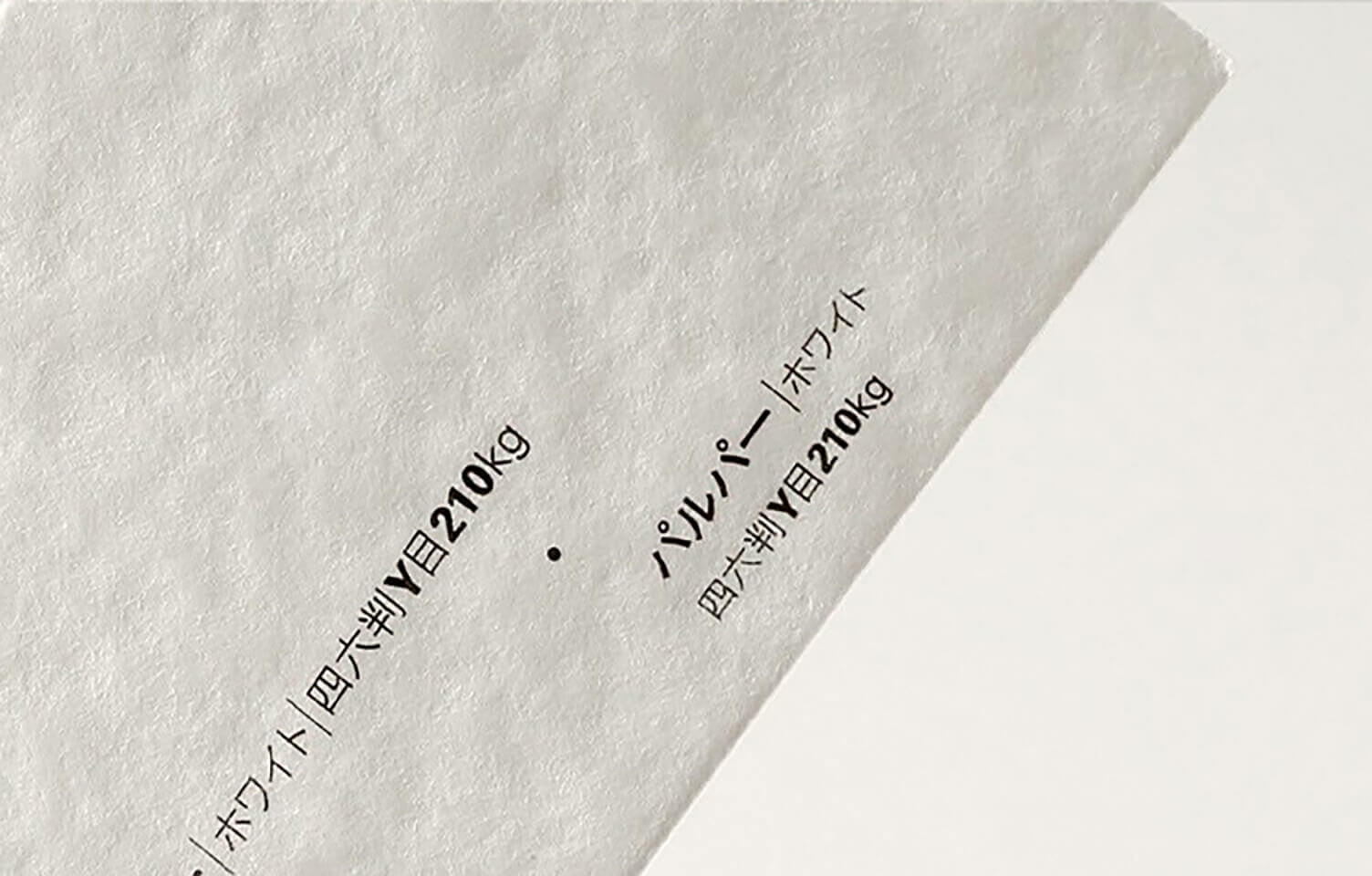
Pulper | White | 210kg
Among the papers selected this time, this one has the roughest and most rugged texture.
Its random undulations and uneven surface create the powerful feel of thick handmade Japanese paper.
With such a strong sense of determination, this paper almost invites a minimalist design—perhaps simply placing a red sun motif in the center for a stoic, samurai-like New Year’s card.
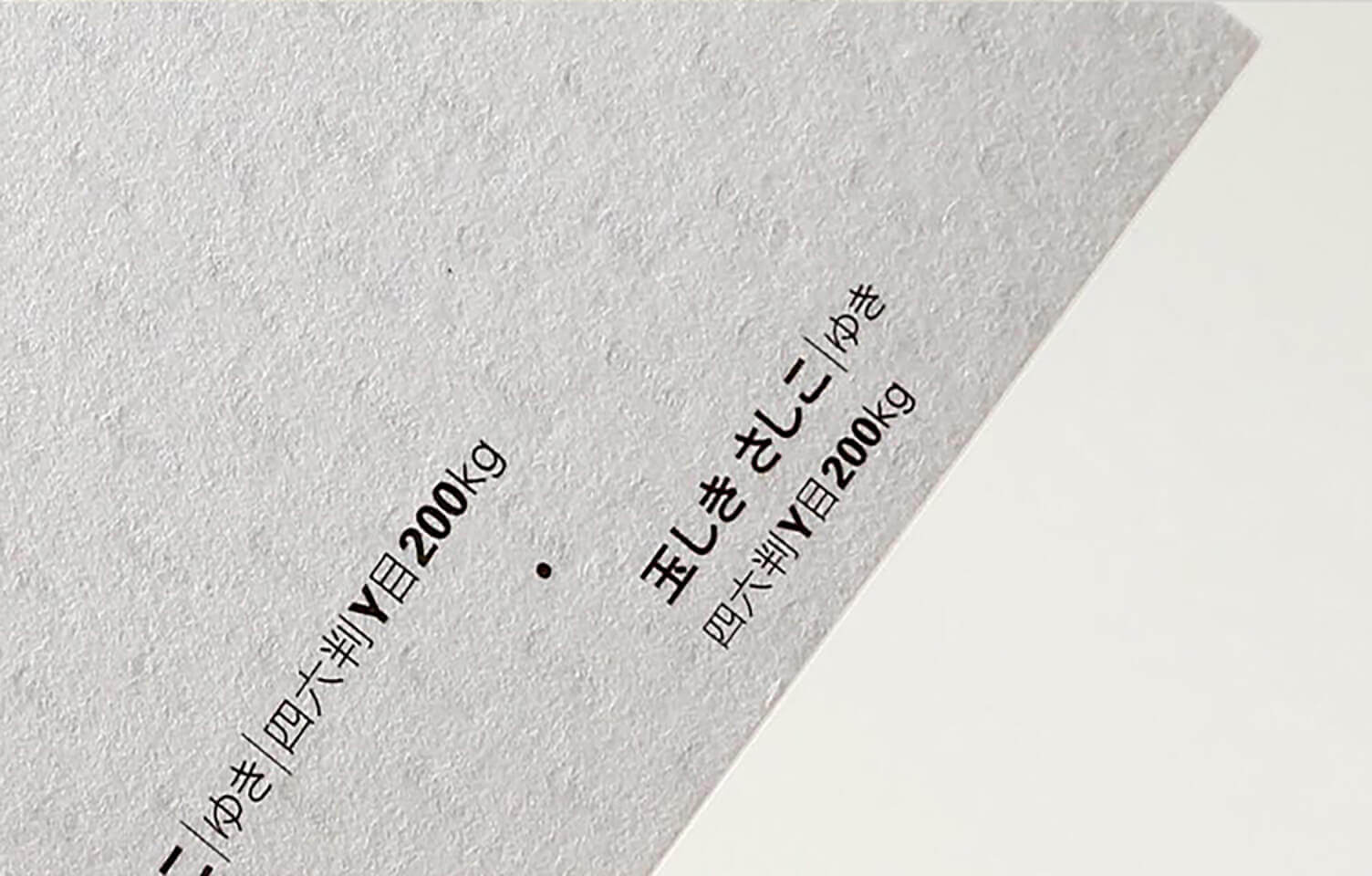
Tamashiki Sashiko | Yuki | 200kg
This fine paper features traditional Japanese-inspired patterns spread across the surface.
“Sashiko” refers to the practical technique of layering weakened cloth and stitching it together with embroidery to create stronger fabric.
Today, its ethical spirit and artistic embroidery craftsmanship have attracted renewed attention.
Enhancing existing value through skill, treasuring old things, and creating strength through layering—these ideas all resonate with the philosophy behind sashiko.
It would pair wonderfully with New Year’s resolutions for shops or individuals who share similar values.
Layering colors on the paper could also be used creatively to resemble animal fur textures.
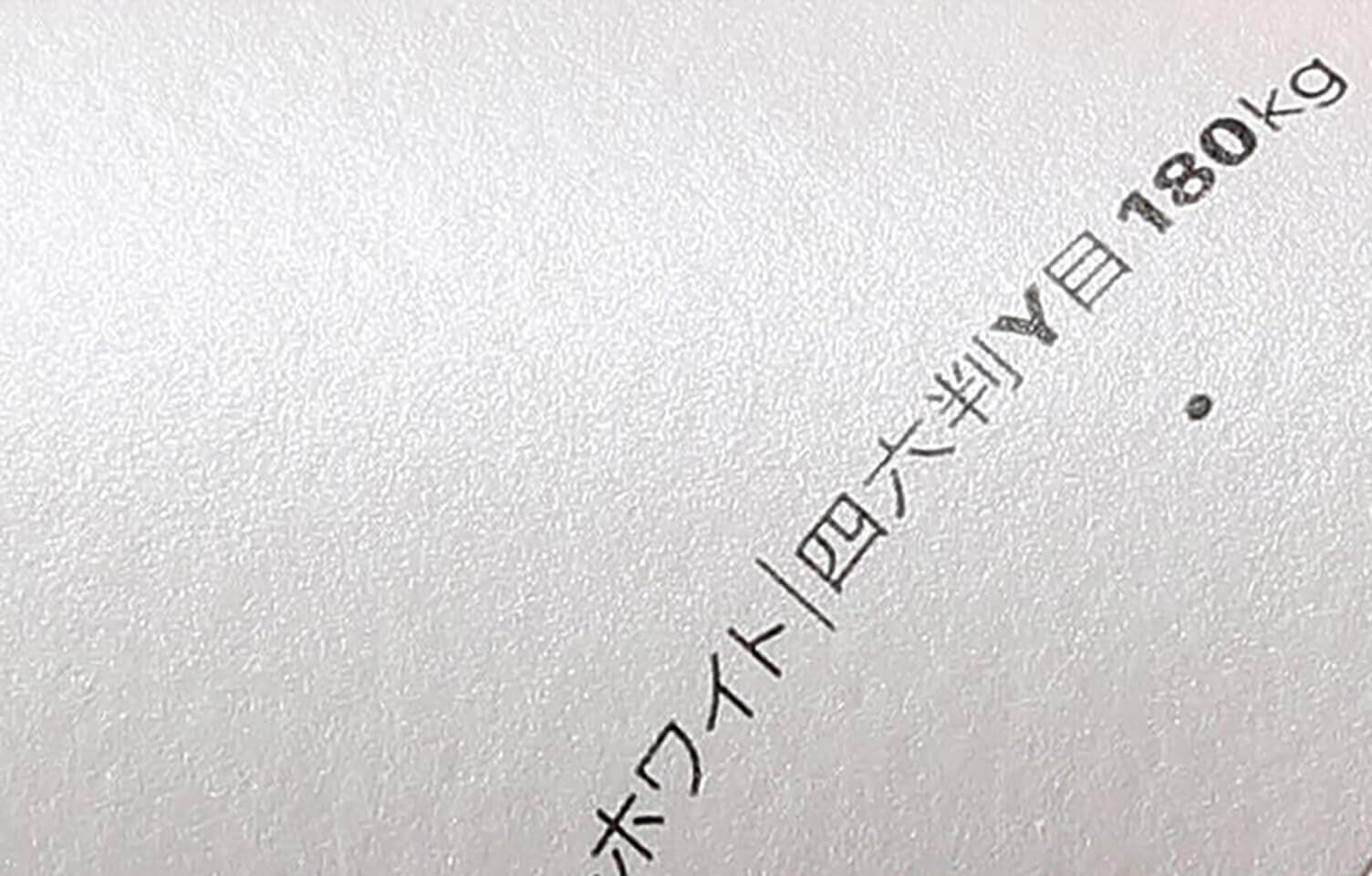
Perula | Snow White | 180kg
A beloved representative of glittering, sparkling paper styles—Perula.
Its name comes from the Spanish word “Perla,” meaning pearl.
The texture is slightly rough yet dense and firm, and although thinner for its weight, it creates a cool, mineral-like impression.
Despite its relative thinness, its stiffness and resilience make 180kg more than sufficient for postcards.
It also has strong water resistance, so light moisture can be wiped away without issue. (Personal opinion.)
Like many pearl-finish papers, the printed surface dries slowly, so make sure it is fully dry before printing on the reverse side.
Variations with different surface finishes, such as Eggshell and Luster, have also appeared.
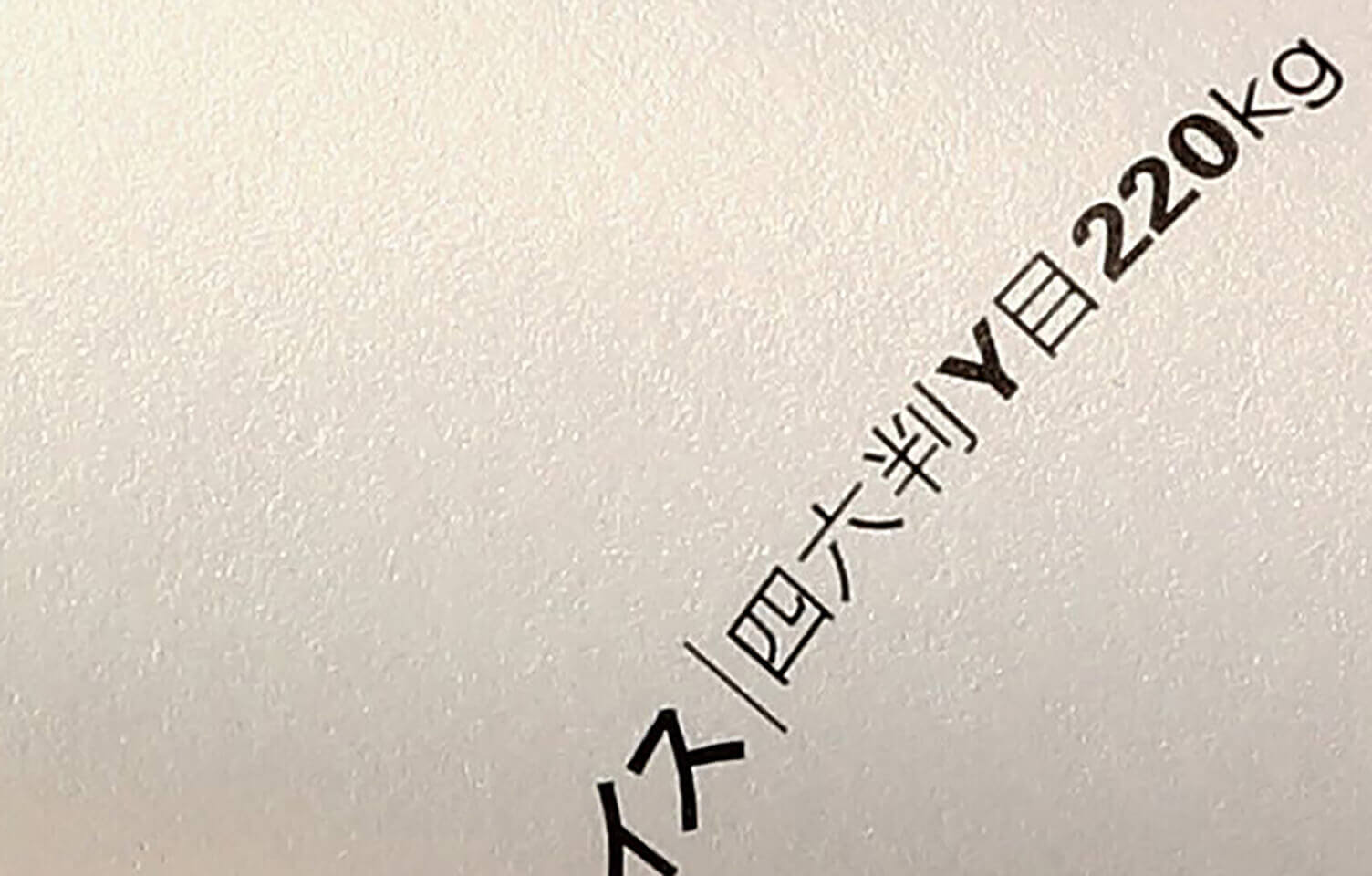
Shine Face | Gold | 220kg
This paper has an overall matte yet elegant pearlescent shine.
Unlike the glittery particles of Perula, it features a smooth luster similar to the surface of a pearl.
Although the paper sample is old and labeled differently, the photo shown belongs to the Gold category, and a new Silver variation has since been added.
When light hits the surface, it emits a beautiful gold (or silver) glow.
Another unique feature is the contrast between the front and back textures.
The reverse side has no gloss and instead feels smooth like high-quality writing paper.
It is recommended for designs where you want to create different impressions on each side.
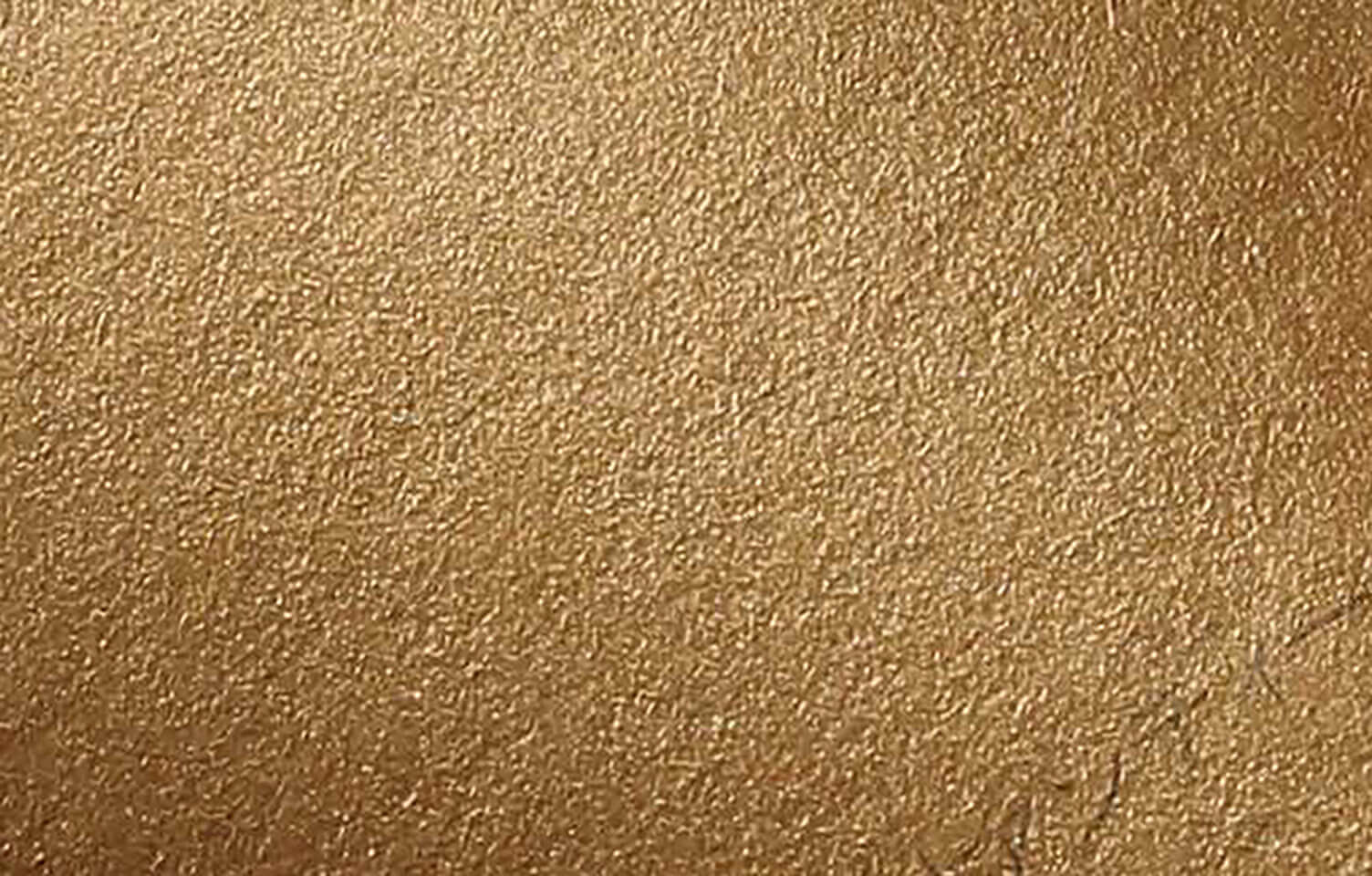
Star Dream-FS | Antique Gold | 209kg
Another sparkling paper joins the lineup!
As the name suggests, this elegant paper shines with the image of a starry sky.
Its wide range of colors makes choosing one especially enjoyable.
The black and navy variations truly resemble the night sky.
The selected color here is Antique Gold.
Its chic gold tone, loved across ages and genders, enhances the celebratory atmosphere of the New Year.
It also evokes the fur color of the zodiac animal for 2016, the monkey, making it ideal for creative and memorable New Year’s cards.
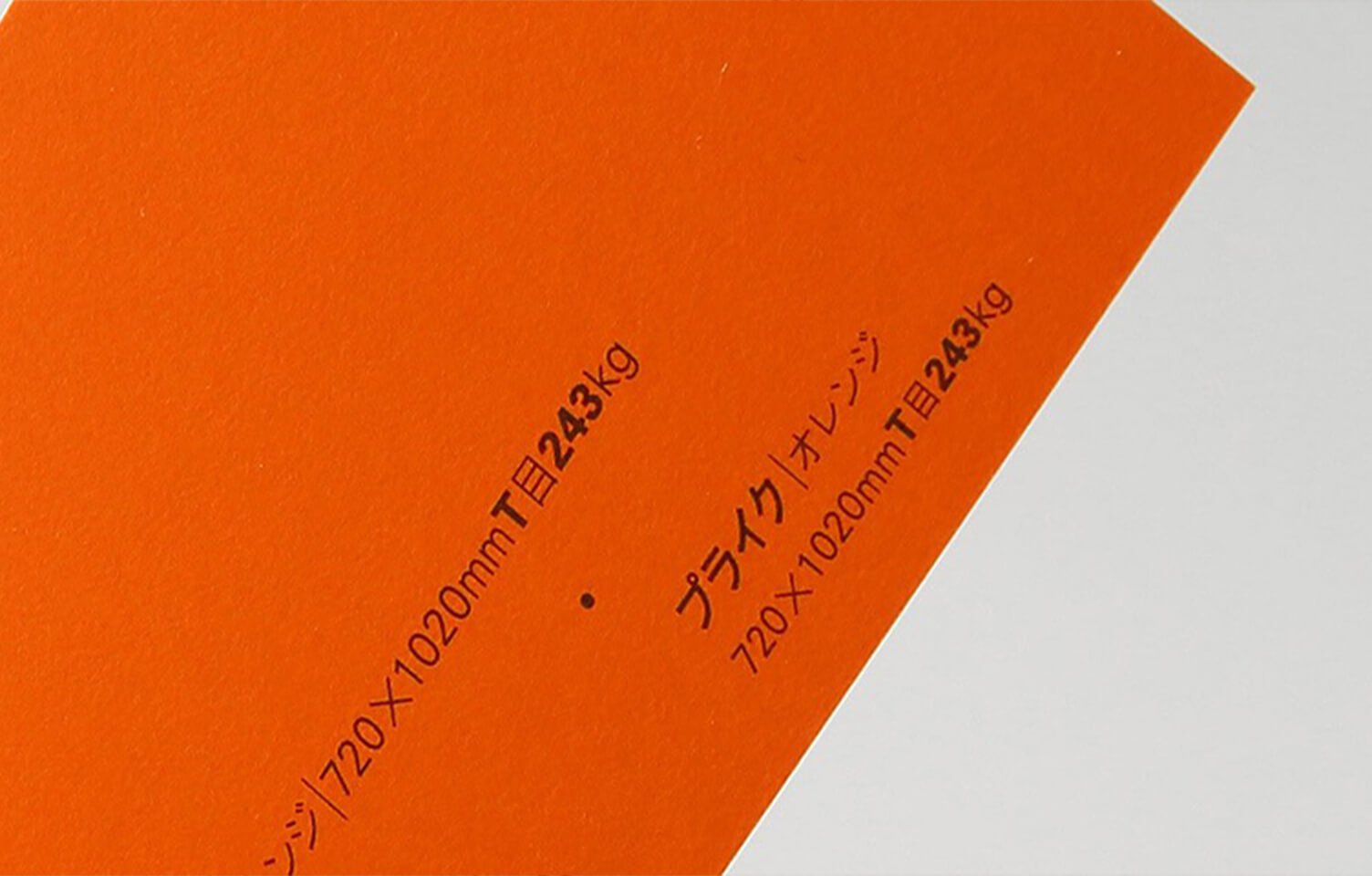
Plike | Orange | 243kg
A fine paper notable for its surprisingly smooth and moist matte texture.
BOEL Inc.’s business cards are also printed on white Plike paper, and many people are surprised by its unique feel.
Although the special coating reduces print compatibility, this could be the perfect opportunity to splurge on foil stamping and elegantly emboss your New Year’s aspirations.
Choosing a bright orange color adds a festive and cheerful feeling perfect for celebrating the New Year.
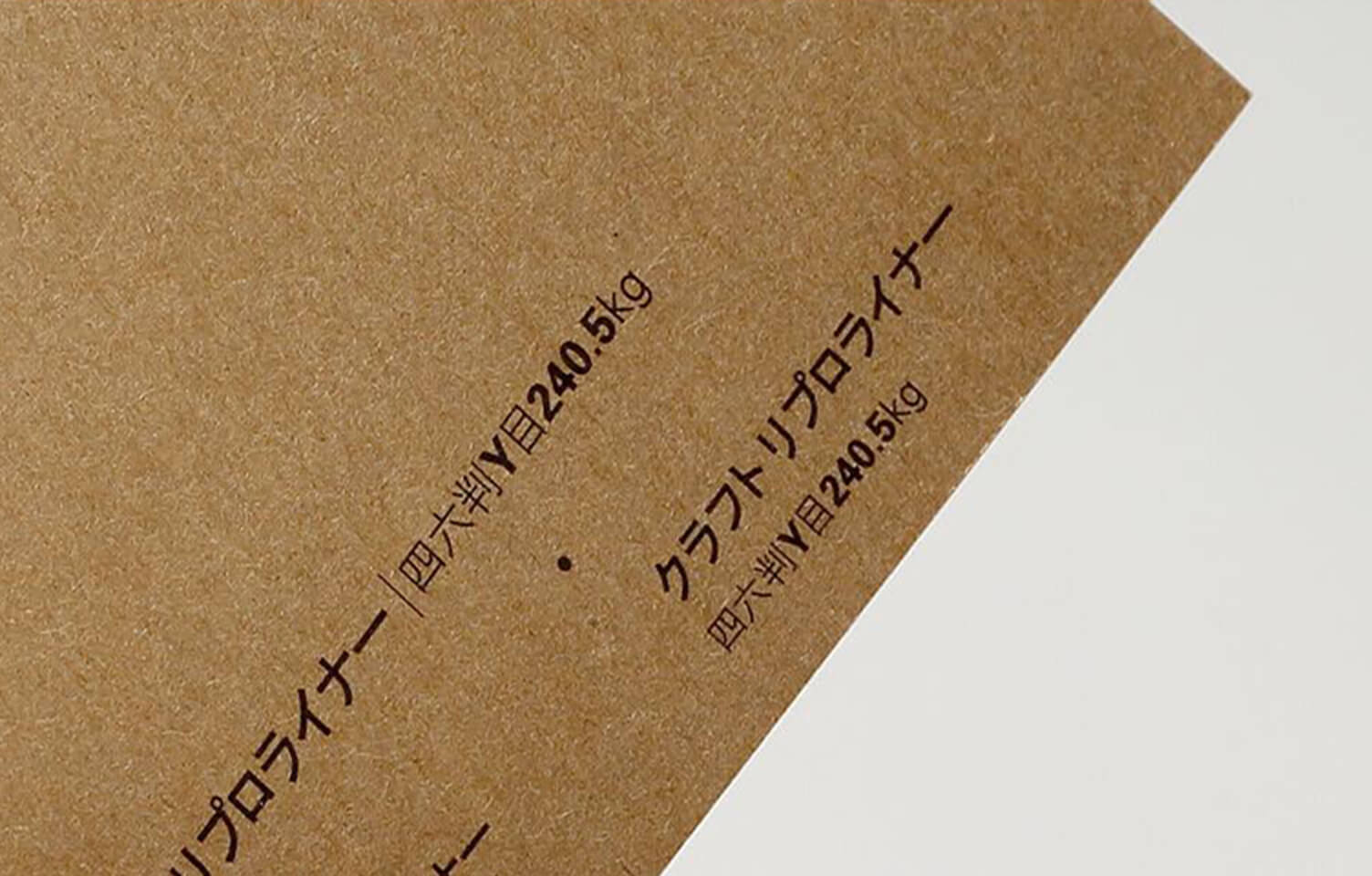
Craft Repro Liner | 240.5kg
This fine paper is made using the same base paper commonly used for corrugated cardboard surfaces.
Although kraft paper is often associated with rough textures and casual uses, this version has a smooth and dignified finish that even conveys a sense of luxury.
Why not print a simple single-color monkey illustration and create a slightly nostalgic New Year’s card?
If You Prefer New Year’s Cards with Lottery Numbers…
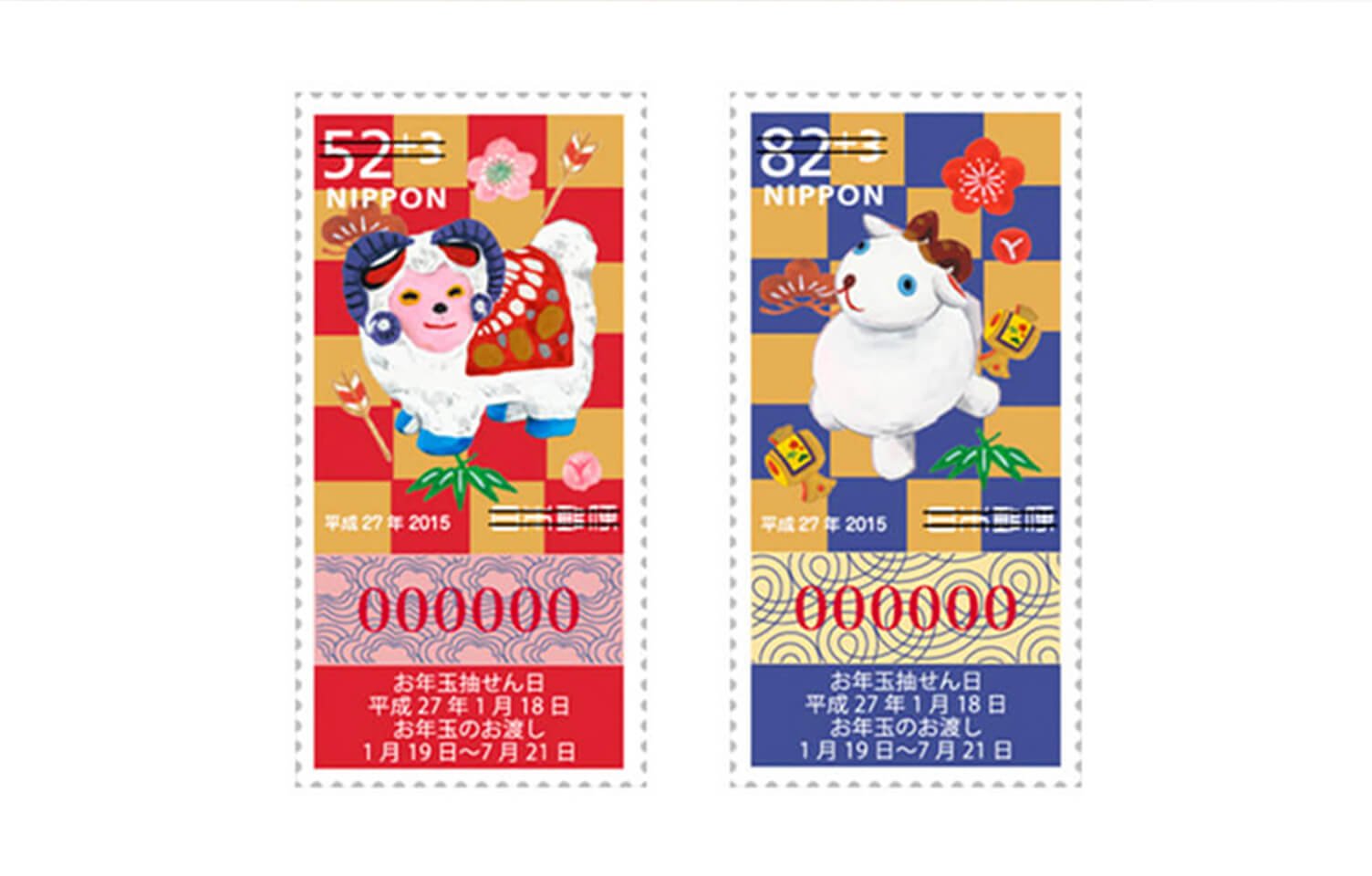
New Year’s Postal Stamp for 2015
Source: https://www.post.japanpost.jp/kitte_hagaki/stamp/tokusyu/2014/h261030_02_t.html
Even with privately made postcards, you can still deliver the excitement of lottery-numbered New Year’s cards by using “New Year’s lottery postal stamps.”
Special Stamp “New Year’s Postal Stamp for 2015” – Japan Post
However, in the case of stamps, an additional 3-yen donation fee is included, making the total cost 55 yen per stamp.
A Guide to Postcard Paper Thickness
Paper thickness is generally indicated using the unit “kg.”
“180kg” is a commonly used thickness for postcards and business cards, so choosing paper in the range of 160kg to 200kg is usually ideal.
By comparison, 135kg is closer to the thickness of heavier flyers, while 90kg resembles ordinary printer paper, making it too thin for postcards.
However, papers that contain more air or are made from lighter raw materials can feel thicker even if they have the same weight.
Therefore, strictly speaking, paper with the same kg value does not always have exactly the same thickness.


By the way, what sort of paper does BOEL use for its New Year’s cards?
For 2015, the Year of the Sheep, we selected “Wool Paper” inspired by the zodiac animal.
This paper contains as much as 50% wool, giving it a soft yet substantial texture and feel.
We also applied luxurious full-surface embossing to express the knitted pattern of a sweater.
Our 2015 sheep-themed New Year’s card was actually featured in Takeo’s “This Paper, That Paper” series!
BOEL Inc. New Year’s Card – Wool Paper | “This Paper, That Paper” | Takeo Web Store
*Scroll to the entry dated 2015.2.9 to view it.
“This Paper, That Paper” – Examples of Paper Usage | Takeo Web Store with Around 9,000 Types of Paper


Here Are the Shops Where You Can See the Actual Paper Before Buying!
In June of this year, “Takeo Sample Book at Itoya” opened on the 7th floor of the new Ginza Itoya main store in Ginza.
“Takeo Sample Book at Itoya”
A New Sample Book Store Has Opened in Ginza — Takeo Sample Book at Itoya
Since it is operated by Takeo, a paper specialty trading company, you can trust the selection!
The square paper samples displayed in beautiful gradients throughout the store are so attractive that you may feel tempted to take them home.
If you are unsure which paper to choose, you can consult with a paper concierge while discussing the image or feeling you want to create.
Takeo handles more than 9,000 types of paper in total, and this shop carries a carefully selected lineup of over 1,000 varieties.
The main paper size available for purchase is the Shiroku-ban 4-cut size (545 × 394 mm).
To create standard Japanese postcard sizes (100 × 148 mm), you will need to cut the paper yourself at home or place a special order.
Postcard-size paper (105 × 150 mm) is also available.
*Although slightly larger than official Japanese postcards, they can still be mailed using a 52-yen stamp.
There are also some ready-made products that are easy to purchase.
The “Saigen Series” is available in official postcard size, while the “Paper Palette” series comes in postcard size.
Although the variety is limited, they are convenient options for quick purchase.
“In addition, I believe limited selections are also available at stores such as Tokyu Hands, Sekaido, and the stationery sections of Itoya.”


Finally
What did you think?
Isn’t it fun to let your imagination grow starting from something as simple as paper?
If this article has inspired you to start sending New Year’s cards again, even if the habit had faded away, we would be truly delighted!
RECENT POSTS

Vol.203
What Is Design Management

Vol.202
Why Hiring No Longer Works— Redesigning Organizations and Decisions for an Uncertain Age

Vol.201
How to Choose a Branding Agency: 5 Criteria to Avoid Failure

Vol.200
Design Management: A Practical Guide for SMEs and Startups to Drive Real Results

Vol.199
How to Rebuild Brand Competitiveness: A Practical Guide to Brand Management for SMEs

Vol.198
From parent–child bonds to community: The future of education that nurtures diversity and designs relationships
TRENDING

Vol.164
Steps and strategies for internal branding to enhance employee engagement

Vol.160
What Small and Medium-sized Enterprises Should Do About Employer Branding

Vol.159
User behavior by design | The psychology of UX and behavioral change
INDEX
About New Year’s Cards
Important Notes
10 Recommended Papers for New Year’s Cards
If You Prefer New Year’s Cards with Lottery Numbers…
A Guide to Postcard Paper Thickness
By the way, what sort of paper does BOEL use for its New Year’s cards?
Here Are the Shops Where You Can See the Actual Paper Before Buying!
Finally