DESIGN
Vol.197

Strategic Designer
T.M.
Exploring the future of environmental design integrating vision, diversity, and a future-oriented perspective
Until now, environmental design has developed primarily around functionality, convenience, economic efficiency, and quantitative expansion.
Yet in an age marked by the accelerating severity of climate change, the rapid loss of biodiversity, the growing divide between cities and nature, the weakening of local communities, and the diversification of values, conventional approaches to environmental design alone can no longer sustain a truly sustainable society.
What is now required goes beyond the traditional boundaries of design as a discipline. It is a new form of environmental design that integrates insights from a broader range of social fields—“environmental design × vision × future orientation × diversity.”
In this article, we delve into fundamental questions such as “What is environmental design?” and explore why it must be connected with vision and a future-oriented perspective, as well as how it relates to diversity. We then break these ideas down into concrete, practical steps. By presenting a systematic explanation that is accessible to beginners while maintaining a high level of professional rigor, we aim to consider what a future-oriented model of environmental design can and should be.
1. What Is Environmental Design?
1-1. Basic Definition of Environmental Design
Environmental design can be defined, in simple terms, as follows:
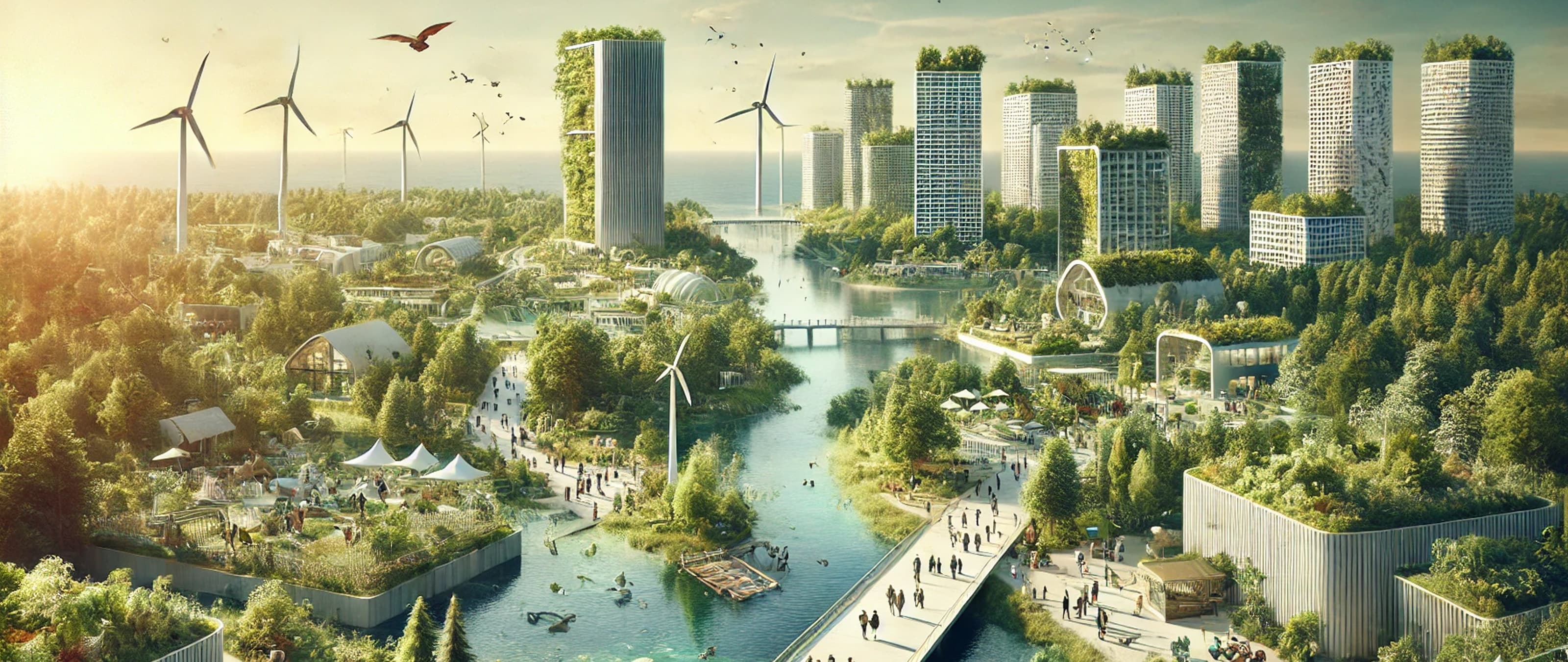
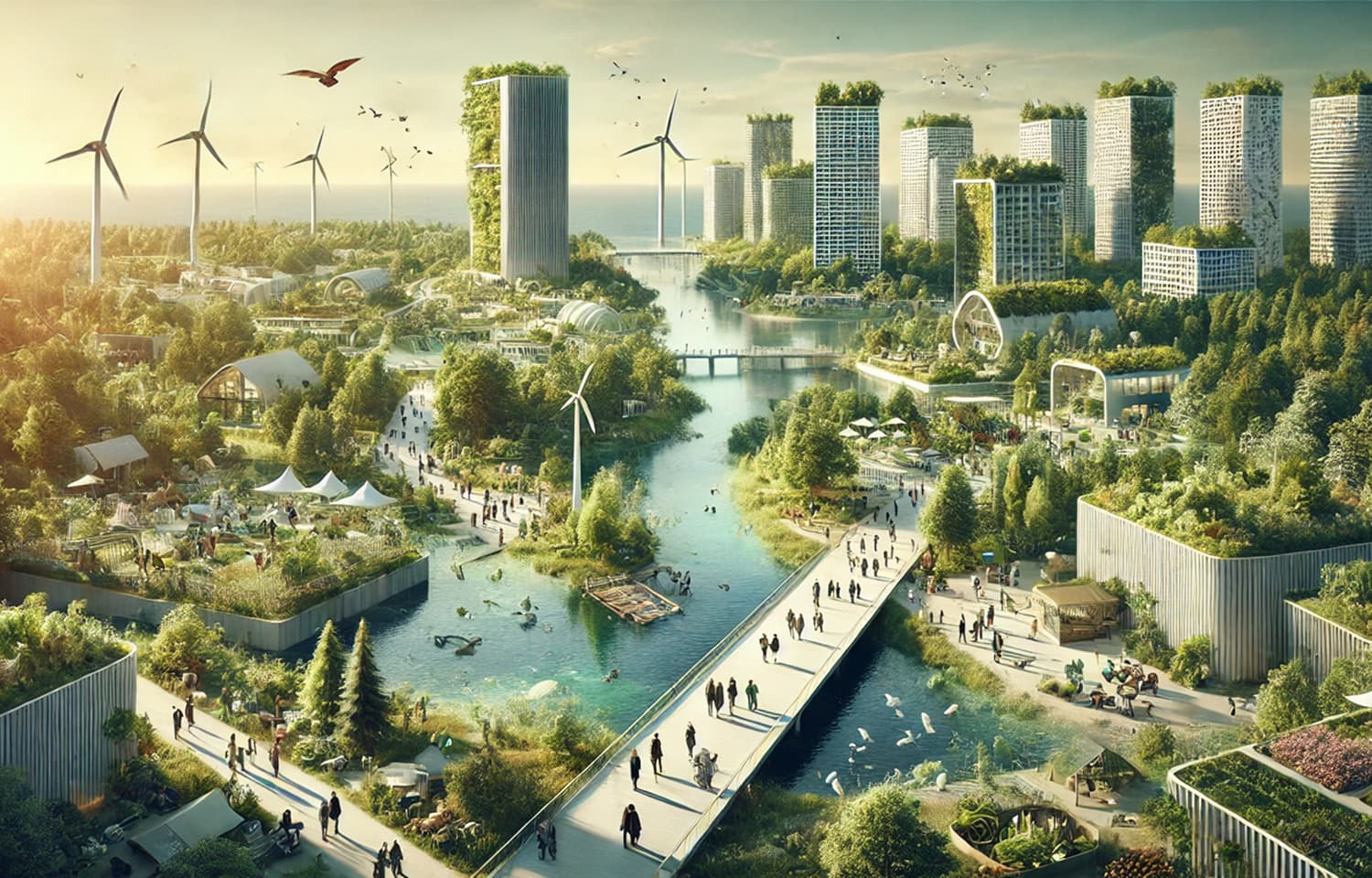
Environmental design is the intentional design of spaces, systems, and relationships that enable people, nature, and society to coexist sustainably.
One common misunderstanding is that environmental design deals only with visual aesthetics or the arrangement of buildings. In reality, it encompasses a much broader design philosophy. Urban planning, architecture, landscape design, interior design, signage planning, circulation planning, lighting, sound, greenery, energy systems, and even human behavior and emotional responses are all part of environmental design.
In Japan, the following fields are generally considered part of environmental design:
・Urban environmental design
・Architecture and public space design
・Landscape and environmental design
・Spatial design for educational and medical facilities
・Design of commercial facilities and office environments
・Regional branding and community development
・Environmentally conscious infrastructure planning
In other words, all spaces where people live and interact can be considered part of environmental design.In other words, all spaces where people live and interact can be considered part of environmental design.
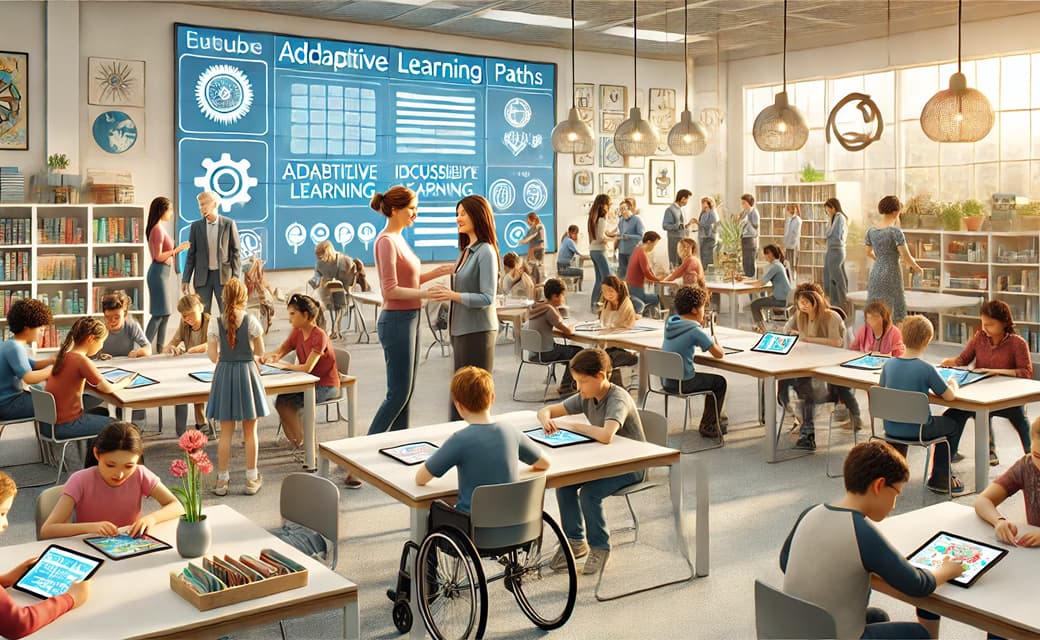
For example, the layout of desks in an office or the way natural light is introduced can influence work efficiency and communication. Similarly, the color of classroom walls or the arrangement of furniture in schools can affect students’ motivation and concentration.
In this way, environmental design serves as a bridge connecting people, space, and society.
1-2. Limitations of Conventional Environmental Design
In Japan after the period of rapid economic growth, mass production, large-scale development, and mass consumption became the norm. Environmental design was largely shaped by these assumptions.
Because convenience and efficiency were prioritized above all else, environmental design contributed greatly to economic development and improvements in daily life. However, this approach also gave rise to several problems, including:
・Urban heat island effects
・Loss of green spaces and ecosystems
・Destruction of biodiversity
・Uniform and characterless urban environments
・Decline of local communities
・Psychological isolation and a sense of confinement
In other words, environmental design had been created primarily for human convenience, and as a result, the balance between nature, ecosystems, and society gradually deteriorated.
1-3. How the Concept of “Sustainability” Changed Environmental Design
Since the 2000s, the concept of sustainability has spread worldwide, fundamentally changing the assumptions underlying environmental design. In previous INSIGHTS articles, we have also introduced topics that focus on sustainability.
Environmental design today, which increasingly incorporates the idea of sustainability, must simultaneously address the following three perspectives.
| Perspective | Meaning |
|---|---|
| Environmental Sustainability | Protecting the natural environment and biodiversity |
| Social Sustainability | Ensuring human well-being, fairness, and safety |
| Economic Sustainability | Maintaining sustainable industries and economic systems |
True sustainable environmental design emerges where these three elements overlap and reinforce one another.
1-4. The Deep Relationship Between Biodiversity and Environmental Design
In recent years, one theme that has become particularly important in the field of environmental design is its relationship with biodiversity. Biodiversity does not simply mean that there are many kinds of plants and animals. In reality, it is a multi-layered concept composed of three interconnected levels:
1. Genetic diversity
2. Species diversit
3. Ecosystem diversity
The first is genetic diversity, which refers to the variation in genetic information among individuals within the same species. This diversity forms the basis for resilience against disease and environmental change and supports the potential for evolution.
The second is species diversity, which describes the coexistence of many different organisms within environments such as forests, grasslands, oceans, and rivers.
The third is ecosystem diversity, referring to the diversity of ecosystems themselves—forests, wetlands, tidal flats, satoyama landscapes, and urban green spaces—all of which help maintain the environmental balance of the planet.
These three layers are interconnected, and together they sustain the stability and resilience of the Earth’s environment. Biodiversity is therefore not simply a value that exists to protect nature. It also functions as a form of social infrastructure that supports our daily lives—through water purification, climate stabilization, food production, and even the reduction of infectious disease risks.
However, modern urban development has had a significant impact on biodiversity.
Deforestation has led to the loss of habitats. The straightening of rivers and the construction of concrete embankments have altered waterside environments. Asphalt and concrete have covered large areas of land, and highways and large-scale developments have fragmented ecosystems.
These developments were promoted in the name of urban convenience and economic efficiency. Yet the cost has been significant: the natural resilience and regenerative cycles of ecosystems have been severely weakened.
As a result, various environmental issues have become increasingly visible, including localized flooding, urban heat island effects, ecosystem simplification, and the spread of invasive species.
Against this backdrop, the role expected of environmental design is undergoing a major transformation.
Until recently, the dominant approach focused on minimizing environmental damage—asking questions such as “How can development avoid harming nature?” or “How can environmental impact be reduced as much as possible?” This was essentially a restrictive or mitigation-based approach.
Today, however, such approaches alone are no longer sufficient.
What environmental design must now pursue is not only the protection of biodiversity but also the active restoration and regeneration of ecosystems that have already been lost.
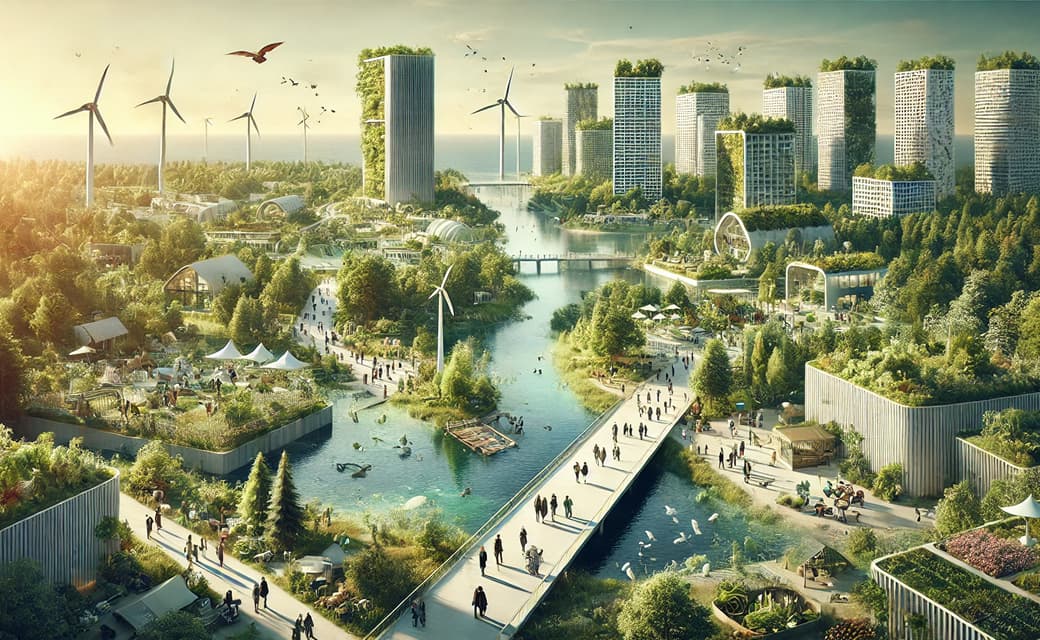
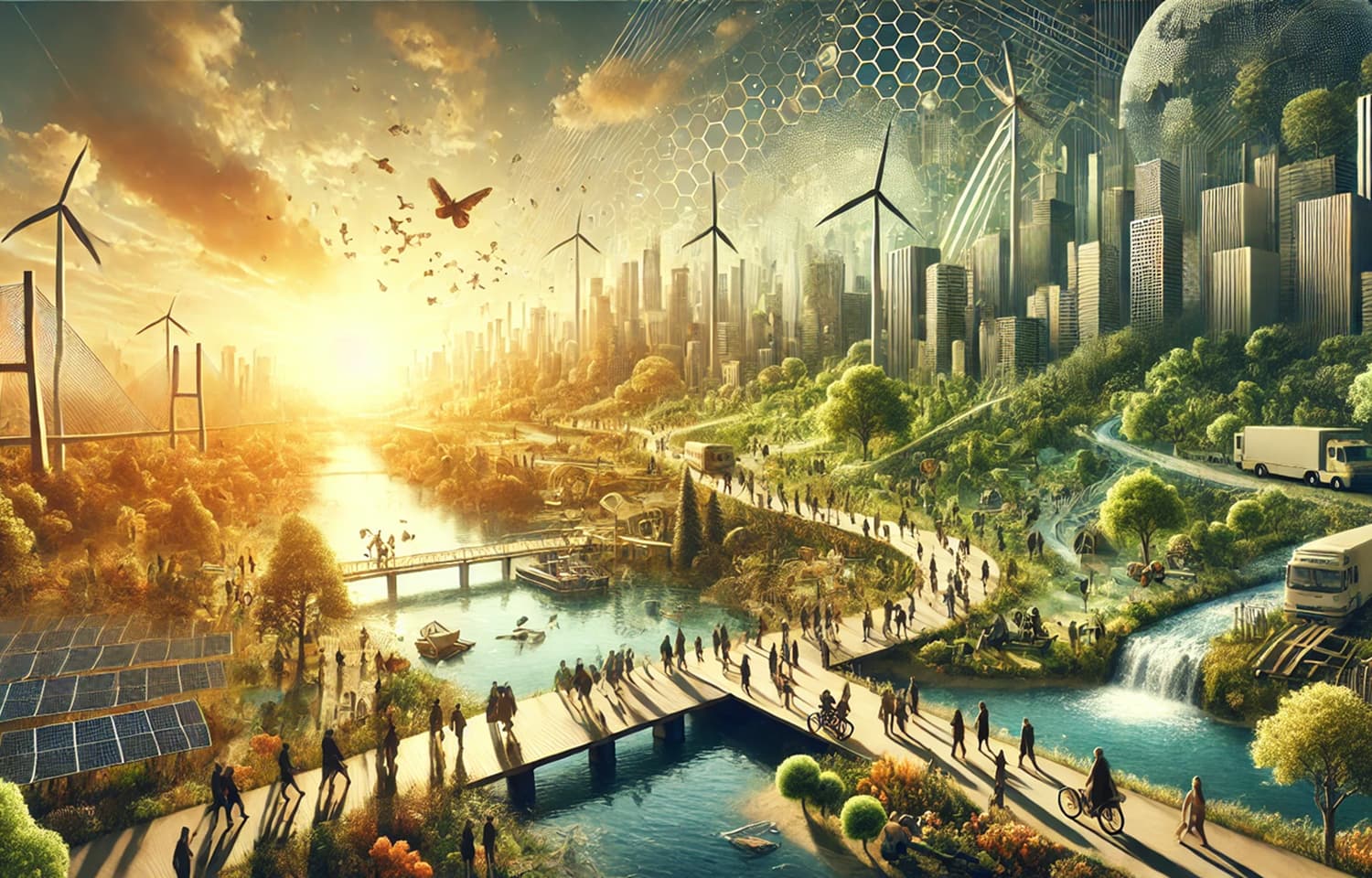
Examples of such approaches include nature-positive urban design that integrates ecosystems into cities, the creation of networks connecting green spaces and waterways, planting strategies centered on native species, and the redesign of spatial structures where humans and other living organisms can coexist.
These initiatives are already being implemented in many parts of the world.
Environmental design is therefore evolving—from simply designing spaces to becoming a social system that rebuilds the circulation of life itself.
2. What is environmental design connected to vision, a future-oriented perspective, and diversity?
2-1. Why Vision Is Now Essential to Environmental Design
When people hear the term environmental design, many imagine space creation or building design. However, the most important question in environmental design today is: What kind of vision do we begin with?
A vision expresses the future we aim to realize. It is a guiding light—a statement that articulates the hopes and direction of an organization or an individual. We have discussed the concept of vision in more detail in previous articles, which you may wish to consult as well.
Environmental design without a vision tends to lead to the following problems:
・Development that responds only to short-term needs
・コンセプトが途中でブレる
・Concepts that lose coherence during the process
・Difficulty in achieving consensus among stakeholders
・Ultimately, spaces whose purpose becomes unclear
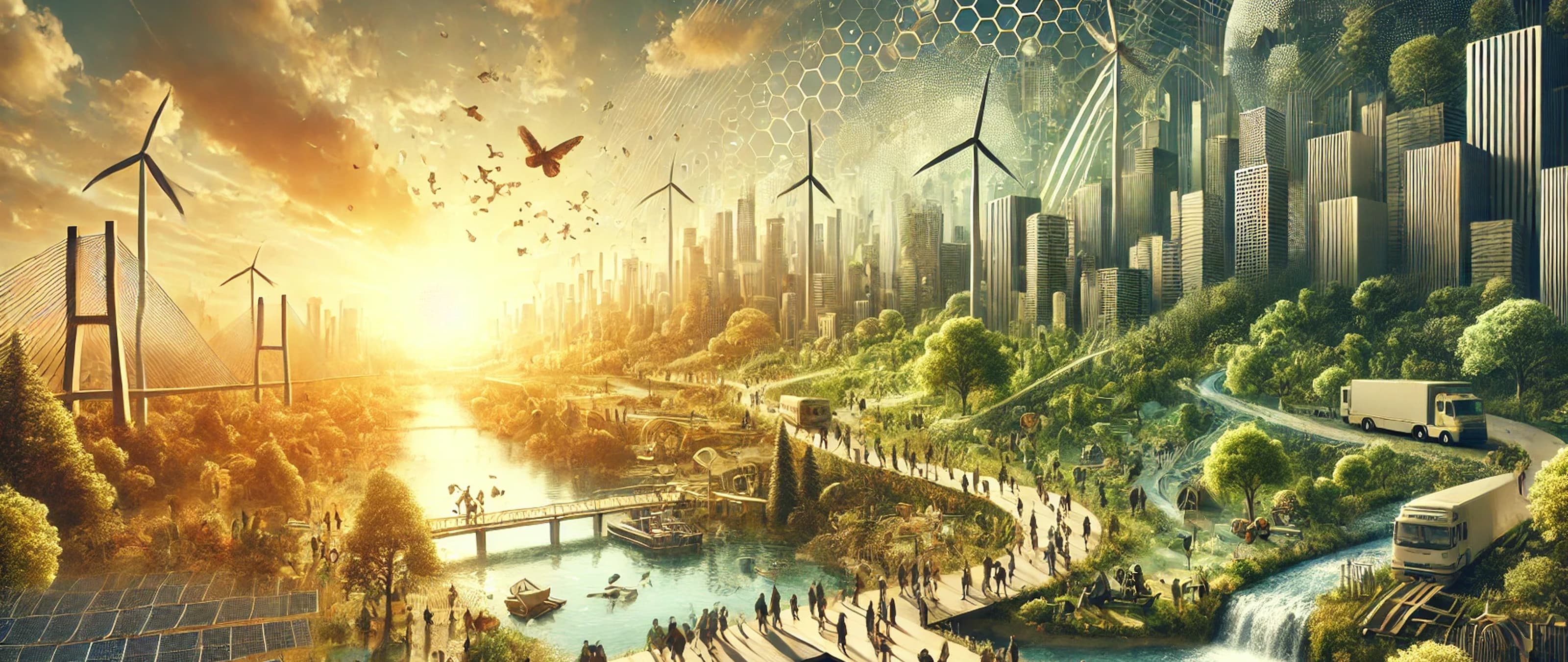
In other words, a new understanding is emerging around the world: environmental design is not merely about creating spaces—it is about creating the future.
2-2. What Is Future-Oriented Environmental Design?
Future-oriented environmental design does not simply mean introducing the latest technologies. Technologies such as IoT, AI, and renewable energy are certainly important elements, but when technology itself becomes the objective, the fundamental purpose can be lost.
The true essence of future-oriented environmental design lies in conceiving and implementing environments that will continue to hold value even 10, 30, or 50 years from now.
The cities, buildings, public spaces, offices, schools, and communities we design today will continue to function as the foundations of society for decades. Therefore, it is not enough for them to be convenient today. We must also ask whether they can adapt to future changes and withstand shifts in social conditions over time.
For this reason, future-oriented environmental design requires an integrated perspective that includes:
・Adaptation to climate change
・Responses to aging populations and declining birthrates
・Flexibility for diverse ways of working and learning
・Resilience to disasters
・Coexistence with ecosystems
When these perspectives are integrated, environmental design is no longer a project that simply ends once completed. Instead, the essential challenge becomes how to embed systems that evolve over time, adapt to new uses, and grow alongside society and the natural environment.
Understanding what future-oriented design truly means is therefore essential. It is not only about solving current problems but also about anticipating future changes and needs. In environmental design, this approach can be summarized in three key principles:
① Sustainability
Sustainability refers to a design philosophy that minimizes environmental impact rather than excessively consuming resources and energy.
Examples include the use of renewable energy, improved thermal insulation, the use of natural materials, and design approaches that consider the entire lifecycle of buildings and environments.
This is not simply about energy efficiency; it represents a fundamental condition for continuing to coexist with the Earth’s environment.
② Adaptability
As family structures, working styles, social systems, and technologies evolve, the ways in which spaces are used will also change.
Future-oriented environmental design therefore avoids optimizing too narrowly for present uses. Instead, it prioritizes structures that can accommodate change—spaces that allow flexible use, expansion or contraction, and layouts that can evolve over time.
Such adaptability supports environments that retain value over the long term.
③ Innovation
Future-oriented environmental design goes beyond incremental improvements. It involves generating entirely new spatial experiences and social possibilities through new technologies, ideas, and interdisciplinary collaboration.
Examples include smart cities, digital twins, and the visualization of environmental data, all of which represent emerging approaches to designing future environments.
In this way, future-oriented environmental design is not simply about creating comfortable spaces for the present. Rather, it is the act of envisioning the foundations that allow society, people, and nature to remain sustainably connected even amid uncertain futures. As such, environmental design is evolving into a highly integrated field that reconnects technology, society, ecosystems, and human values.
2-3. Toward Environmental Design that Embraces Diversity
In contemporary society, people’s values and lifestyles have become more diverse than ever before. As a result, environmental design is increasingly expected to incorporate design approaches that respect and embrace diversity.
One representative example is barrier-free design. Features such as step-free circulation, handrails, elevators, and universal-design restrooms—spaces that can be safely and comfortably used regardless of age or physical ability—are no longer considered special facilities but are becoming standard design requirements. These elements benefit not only people with disabilities but also parents with strollers, elderly individuals, and people carrying heavy luggage.
However, diversity in environmental design does not simply mean creating spaces that can be used by a variety of people. Considering only attributes such as age, gender, or disability is not sufficient to fully address diversity.
True diversity in environmental design involves at least three interconnected layers:
・Human diversity (age, gender, disability, nationality, values)
・Ecological diversity (plants, animals, microorganisms)
・Cultural diversity (regional identity, history, and local traditions)
In the past, these forms of diversity were often treated as constraints on design or sources of additional cost in urban development and architecture. Today, however, perspectives are shifting significantly. There is growing international recognition that diversity itself is a source of resilience and creativity within environments.
Environments that properly integrate diversity become spaces not designed for a specific group, but places where anyone can naturally find a sense of belonging. Such environments allow people to behave authentically, exist in harmony with the natural environment, and quietly reflect the history and culture of their region.
As a result, spaces evolve beyond mere facilities or infrastructure. They become places of relationships that gently connect people with one another, people with nature, and people with their communities.
Design that embraces diversity creates environments that are resilient to social change and capable of remaining useful over long periods of time. In an era where demographics, working styles, family structures, and values continue to shift, spaces optimized for a single use or worldview will inevitably reach their limits. Environments that embrace diversity, by contrast, can absorb change and continue to evolve flexibly over time.
3. Practical steps and case examples: Integrating environmental design and vision making
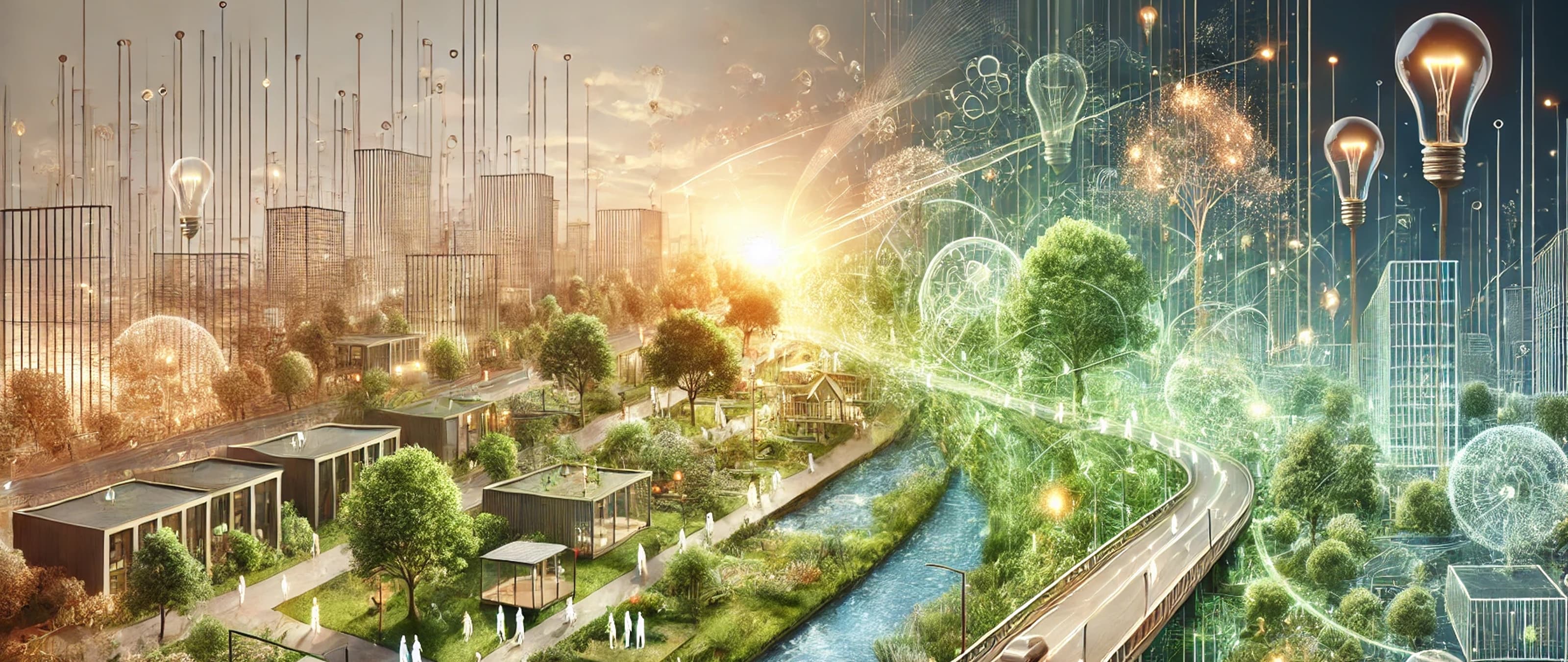
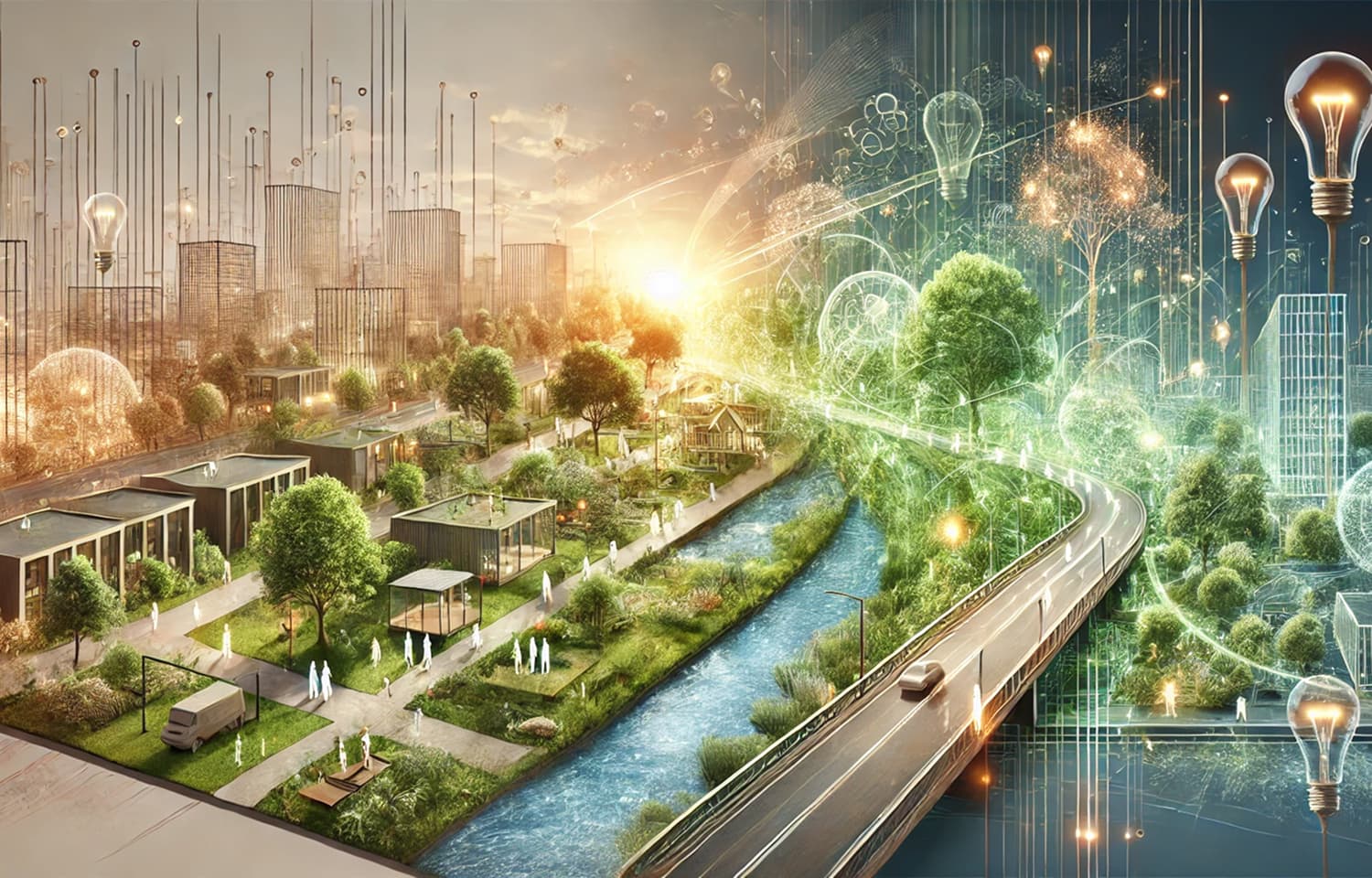
From this point onward, we move into the most important question: how environmental design and vision-making can be translated into practical implementation. No matter how compelling the philosophy may be, society will not change unless it is put into action.
Future-oriented environmental design can be advanced systematically through the following five steps.
STEP1|Understanding the Current Situation (As-Is)
―Visualizing Hidden Distortions in the Environment
The first step is to thoroughly understand what is currently happening in the environment, both quantitatively and qualitatively. Many environmental issues are not immediately visible and arise from complex combinations of multiple factors. Therefore, analysis must rely not only on impressions but also on data and direct observation in the field.
Key Research Areas
・Green coverage, waterfront environments, and wildlife habitats
→Examine how much greenery and water remain, whether native species are present, and whether ecosystems have been fragmented.
・Population structure, age distribution, and visitor characteristics
→Identify who is using the space—children, elderly residents, tourists, workers—and who is not able to use it.
・Patterns of spatial use (staying, circulation, fragmentation)
→Visualize behavioral patterns such as where people gather, where they simply pass through, and where movement is interrupted.
・Energy consumption, waste heat, and noise
→Evaluate environmental comfort and ecological impact, including heat island effects, air-conditioning loads, and noise pollution.
・Safety and psychological comfort
→Determine whether spatial structures create risks of accidents, crime, or feelings of insecurity.
One particularly important perspective at this stage is biodiversity.
・Are insects and small animals present in the area?
・Are water systems connected or fragmented?
・Are invasive species increasing while native species decline?
These indicators reveal not only environmental health but also whether the ecosystem is functioning as a balanced and regenerative system.
STEP 1 is therefore not merely a situational survey. It is a phase in which invisible distortions in the environment are identified and recognized as social challenges.
STEP2|Future Visioning (Will)
――Discussing What Kind of Future We Want
The next step is to imagine what this place should look like in 20 years. Rather than simply extending current conditions into the future, this process involves working backward from a desired future state.
One of the most important principles at this stage is that the vision must not be determined solely by government authorities, designers, or a single company.
A future environment is not owned by any one organization; it is a shared asset for everyone involved in that place.
In practice, this means gathering visions expressed by local residents, children, elderly people, business owners, educators, welfare professionals, and healthcare workers. When people from different generations and backgrounds describe their hopes for the future in their own words, environmental design begins to acquire a living vision.
Through this process, what emerges is not an abstract concept but a future narrative deeply connected to society.
STEP3|Vision Design (Vision)
―Translating Values into Design Principles
The ideas and aspirations gathered during the future visioning phase must then be translated into a clearly articulated vision.
Here, a vision is not merely an ideal statement; it becomes the guiding framework for all future decision-making in environmental design.
A vision typically includes elements such as:
・A catchphrase or slogan
・A statement of principles or philosophy
・A design concept
・Behavioral guidelines
For example, visions might include statements such as:
・“A city where nature and learning circulate together.”
・“An urban environment that restores wildlife corridors.”
Once such language is defined, environmental design evolves into a truly future-oriented design practice.
This stage represents a critical turning point: transforming intuitive aspirations into shared design principles.
STEP4|Environmental Design (Design)
―Translating Vision into Space, Systems, and Circulation
A vision only gains meaning when it is implemented. The next phase therefore focuses on translating the vision into concrete design strategies.
The vision is typically implemented across three domains.
① Spatial Design
Spatial design determines where buildings are placed, how green spaces connect, and where people can gather or stay.
Architecture, landscape planning, and public space design become the physical expression of the vision itself.
② Behavioral Design
Behavioral design considers how people move, where they gather, and how interactions naturally occur.
Human behavior is often unconsciously guided by spatial design. Thoughtful circulation planning can create opportunities for encounters, collaboration, learning, and experimentation, transforming the vision into a lived experience.
③ Institutional Design
Even the most thoughtfully designed spaces cannot function without supportive governance and operational systems.
Invisible frameworks such as rules for use, management systems, and operational policies ensure that the vision continues to function over time.
STEP5|Implementation and Operation (Action)
―The Environment Is Never “Finished”
Environmental design does not end when construction is complete. In fact, the real social experiment begins at that moment.
Key questions must be continuously evaluated:
・Are people gathering as intended?
・Is biodiversity actually recovering?
・Are interactions emerging across generations and communities?
Through continuous observation, evaluation, and improvement, the environment evolves over time.
This attitude—treating environments as systems that must be nurtured and cultivated—lies at the core of future-oriented environmental design.
An environment is not a static finished product. Only when it is treated as something that grows alongside people, nature, and society can it truly become sustainable.
Conclusion: Vision-Making for the Future of Environmental Design
Environmental design is no longer simply a technical discipline for creating spaces. It has evolved into an endeavor that is deeply social, ethical, and filled with hope. The spaces we create support the present while also expressing what kind of future we believe is worth pursuing. For this reason, the central element of environmental design moving forward is not technology or trends, but vision-making.
Environmental design is also no longer the domain of specialists alone. Companies, local governments, schools, communities, and even children themselves are becoming participants in shaping the environments that will connect the present to the future. In an era where clear answers are difficult to find, what is needed is not perfect solutions but a steadfast sense of intention and direction.
What kind of future do we hope for?
What should we protect, and what should we transform?
Facing these questions directly, articulating our own visions in words, and embedding them into the spaces we create—this may well be the most essential force that will support environmental design in the years to come.
RECENT POSTS

Vol.198
From parent–child bonds to community: The future of education that nurtures diversity and designs relationships

Vol.197
Exploring the future of environmental design integrating vision, diversity, and a future-oriented perspective

Vol.196
Vision-making for diverse and future-oriented education: Interpreting the future of learning through environmental design

Vol.195
“One Health” and Japan — Toward an Era of Integrating Humans, Animals, and the Environment

Vol.194
The benefits and challenges of digital education in the AI era, and the future of learning
Vol.193
Vision-Making in the age of AI — How artificial intelligence is transforming the meaning of work and the nature of organizations
TRENDING

Vol.164
Steps and strategies for internal branding to enhance employee engagement
Vol.160
What Small and Medium-sized Enterprises Should Do About Employer Branding

Vol.159
ユーザー行動をデザインする|UXの心理学と行動変容