TECH
Vol.129

Y.F.
The differences between build, deploy, and release
How programs actually run
Before explaining the terms, let’s briefly look at how programs and software actually run.
Programming languages are written using characters, numbers, and symbols that humans can read, but computers operate using electrical signals that switch between on (1) and off (0). Therefore, for a program to execute on a computer, it must be converted into a form the computer can understand. This conversion process is called compiling, and the compiled code is referred to as assembly language.
Some languages, like JavaScript and Python, can run without separate compilation. These are called interpreted languages, because they perform the equivalent of compilation at the same time as execution.
Build
So, you’ve written your program and compiled it, but it still can’t run on its own. The process of preparing the code so that it can be executed is called build. Building involves linking compiled files together and adding startup code so that an executable file is created.
Sometimes the act of compiling is included in what people refer to as build.
Deploy and release
Once a build has made your files executable, you need to place them in the actual environment where they will run (for example, on a web server).
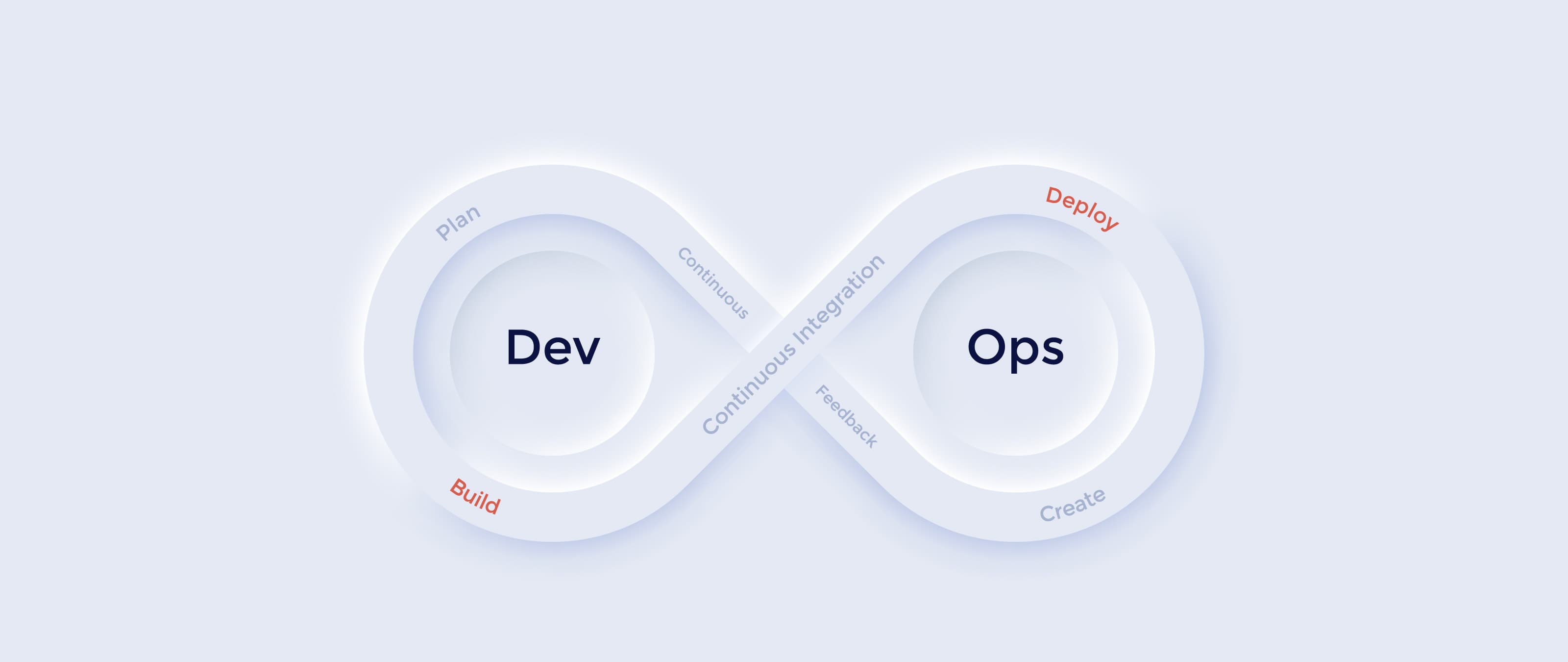
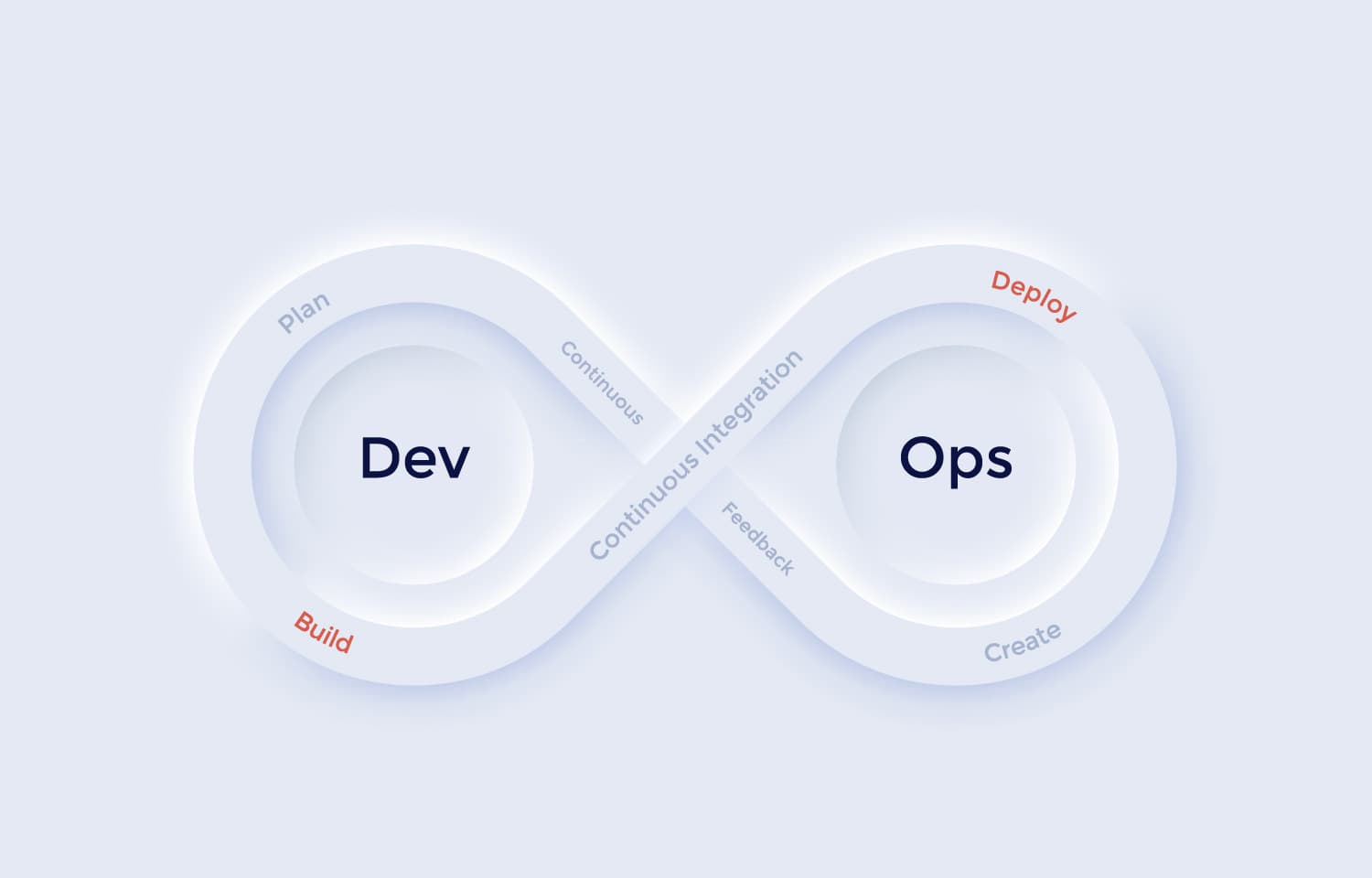
This act of placing the executable files into the execution environment and making them ready to use is called "deploy".
The English word deploy originally means “to position” or “to spread out.”In software, deploy can refer broadly to installing or publishing code, such as deploying from a development environment to a staging environment, or from staging to production.
On the other hand, release refers to the process of making a product or service publicly available so that users can actually use it.
After deploying, engineers often perform checks before public availability, so deploying is technically a part of the release process.
Typically, when deploying a web application, you need to restart the server to reflect program changes.
If you can reflect changes without restarting the server, that technique is called hot deploy.Tools like GitHub Actions and CircleCI can also be used to automate and continuously perform deployments. Choosing an efficient deployment method depends on the project’s requirements and scale.
Summary
Here we revisited the basics of how programs run and clarified what designers and engineers often say in everyday work. Even as IT technologies evolve and become more complex, it’s important to revisit the fundamentals from time to time.
RECENT POSTS

Vol.198
From parent–child bonds to community: The future of education that nurtures diversity and designs relationships

Vol.197
Exploring the future of environmental design integrating vision, diversity, and a future-oriented perspective

Vol.196
Vision-making for diverse and future-oriented education: Interpreting the future of learning through environmental design

Vol.195
“One Health” and Japan — Toward an Era of Integrating Humans, Animals, and the Environment

Vol.194
The benefits and challenges of digital education in the AI era, and the future of learning

Vol.193
Vision-Making in the age of AI — How artificial intelligence is transforming the meaning of work and the nature of organizations