DESIGN
Vol.21

Designer
A.K.
Colours inherited from ancient Japan: the charm of beautiful traditional Japanese colours


1. Thirty grey tones from Japanese traditional colours
Elegant names and very beautiful
These are more than just colours: they are traditional Japanese hues whose names themselves evoke refinement.
Here we’ve selected 30 shades of grey.
The beauty of those delicate, subtle tones is especially worth seeing.
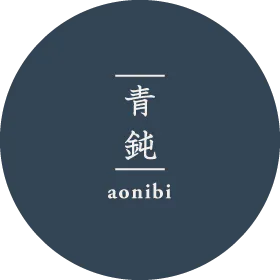
青鈍
あおにび
#334454
R:51 G:68 B:84
C:89% M:77% Y:61% K:15%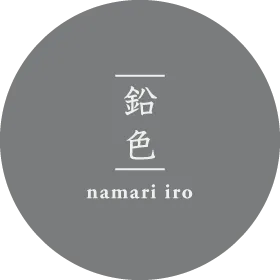
鉛色
なまりいろ
#7B7C7D
R:123 G:124 B:125
C:2% M:1% Y:0% K:51%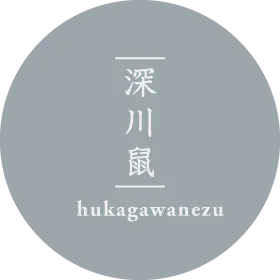
深川鼠
ふかがわねず
#9CA7AC
R:156 G:167 B:172
C:39% M:24% Y:24% K:0%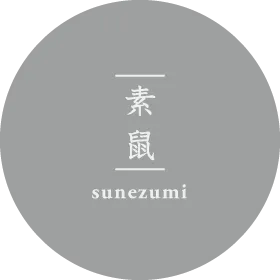
素鼠
すねずみ
#9fa0a0
R:159 G:160 B:160
C:1% M:0% Y:0% K:37%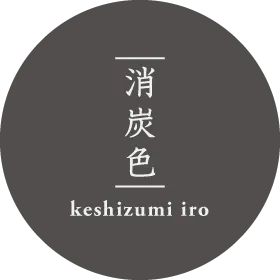
消炭色
けしずみいろ
#524e4d
R:82 G:78 B:77
C:0% M:5% Y:6% K:68%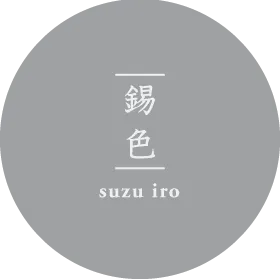
錫色
すずいろ
#9ea1a3
R:158 G:161 B:163
C:3% M:1% Y:0% K:36%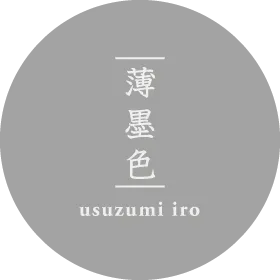
薄墨色
うすずみいろ
#a3a3a2
R:163 G:163 B:162
C:0% M:0% Y:1% K:36%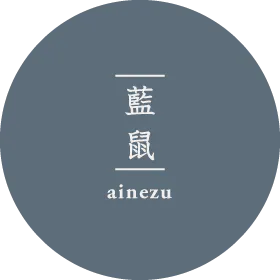
藍鼠
あいねず
#5D6D7A
R:93 G:109 B:122
C:0% M:0% Y:1% K:36%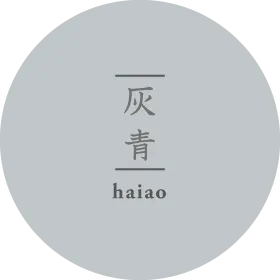
灰青
はいあお
#c0c6c9
R:192 G:198 B:201
C:4% M:1% Y:0% K:21%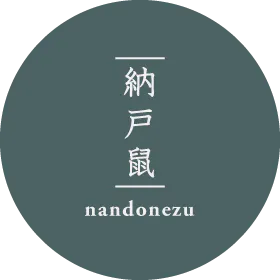
納戸鼠
なんどねず
#4C6264
R:76 G:98 B:100
C:75% M:58% Y:79% K:0%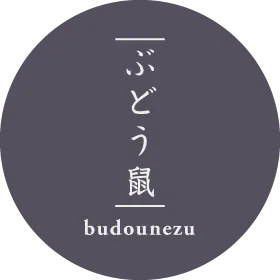
ぶどう鼠
ぶどうねず
#55505E
R:85 G:80 B:94
C:75% M:73% Y:59% K:0%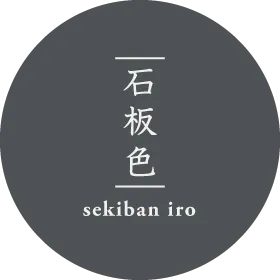
石板色
せきばんいろ
#4E525
R:78 G:82 B:85
C:78% M:72% Y:68% K:0%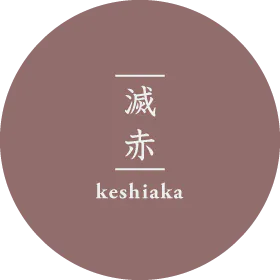
減赤
けしあか
#926D6B
R:146 G:109 B:107
C:47% M:58% Y:52% K:0%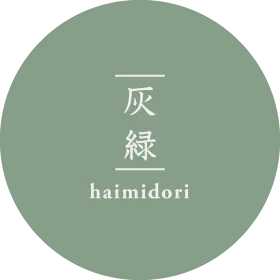
灰緑
はいみどり
#879E88
R:135 G:158 B:136
C:50% M:25% Y:47% K:0%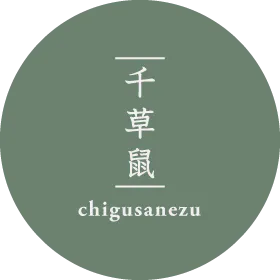
千草鼠
ちぐさねず
#6C8270
R:108 G:130 B:112
C:61% M:40% Y:57% K:0%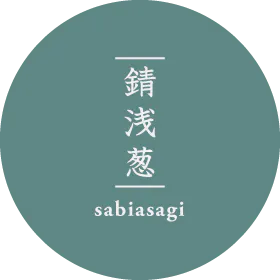
錆浅葱
さびあさぎ
#5F8786
R:95 G:135 B:134
C:65% M:34% Y:45% K:0%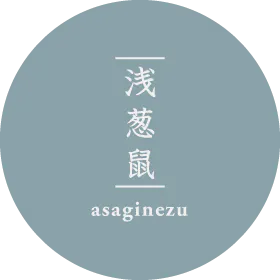
浅葱鼠
あさぎねず
#8AA2A9
R:138 G:162 B:169
C:48% M:24% Y:27% K:0%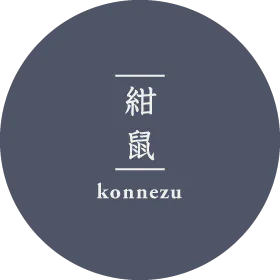
紺鼠
こんねず
#4F5567
R:79 G:85 B:103
C:76% M:69% Y:53% K:0%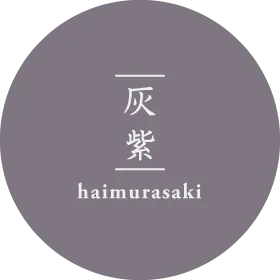
灰紫
はいむらさき
#7E7682
R:126 G:118 B:130
C:54% M:51% Y:39% K:0%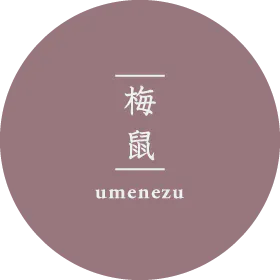
梅鼠
うめねず
#987A7E
R:152 G:119 B:126
C:42% M:54% Y:40% K:0%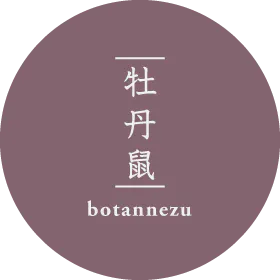
牡丹鼠
ぼたんねず
#84646F
R:132 G:100 B:111
C:52% M:61% Y:46% K:0%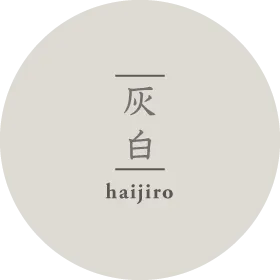
灰白
はいじろ
#DEDAD2
R:222 G:218 B:210
C:8% M:7% Y:14% K:0%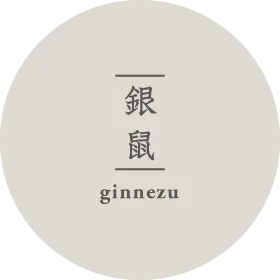
銀鼠
ぎんねず
#BEBDB9
R:190 G:189 B:185
C:23% M:17% Y:21% K:0%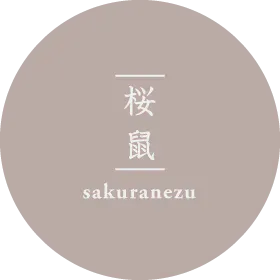
桜鼠
さくらねず
#BAAAA5
R:186 G:170 B:165
C:25% M:28% Y:28% K:0%-
錆浅葱
さびあさぎ
#5F8786
R:95 G:135 B:134
C:65% M:34% Y:45% K:0% 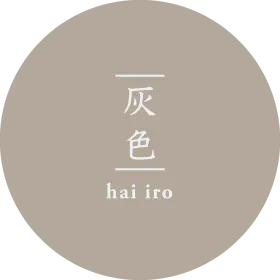
灰色
はいいろ
#B3A89B
R:179 G:168 B:155
C:29% M:28% Y:34% K:0%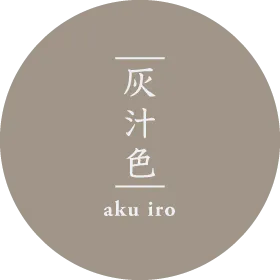
灰汁色
あくいろ
#A09588
R:160 G:149 B:136
C:38% M:36% Y:42% K:0%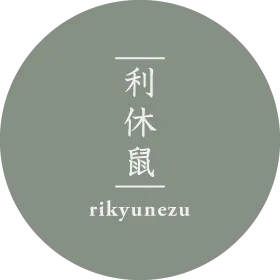
利休鼠
りきゅうねず
#869084
R:134 G:144 B:132
C:50% M:34% Y:45% K:0%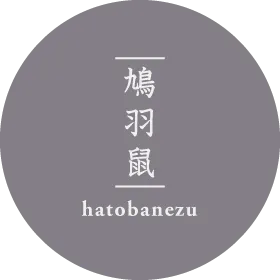
鳩羽鼠
はとばねず
#847F87
R:132 G:127 B:135
C:51% M:46% Y:38% K:0%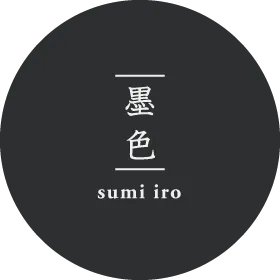
墨色
すみいろ
#2E2F31
R:46 G:47 B:49
C:87% M:87% Y:85% K:50%
2. Traditional Japanese colour combinations
“Kasane-iro-me” — people of old also dressed with style
Kasane-iro-me (also called osoi-iro-me) began with court ladies in the Heian period, for example in the layered kimono (juunihitoe). Because the silk threads of back layers were very fine and the colours of the under-layers showed through the over-garment, people took into account even those subtle inner shades. This level of sensitivity to colour is deeply admirable. Here we introduce some of those combinations.

「若草」(wakakusa)
淡青+濃青
「夏萩」(natsuhagi)
中青+濃紫
「紫苑」(shion)
中紫+中蘇芳
「椿」(tsubaki)
中蘇芳+中赤
3. Traditional Japanese colours still in use today
The world of wabi-sabi revived in modern times
The colours of old Japan continue to be used in many places even today. Here are some examples:
Tokyo Skytreehttps://www.tokyo-skytree.jp/about/design/

LED lighting uses “Edo-murasaki” (Edo-purple) to reproduce a traditional colour.
「NANAMIYA – Sakana Shichimiya」https://www.artless.co.jp/alog/portfolio/nanamiya-肴七味屋/

An award-winning package design that received the DFA Silver Award. A refined and elegant design that beautifully expresses the richness and sophistication of Japan.
「和食は、和色で、できている」https://nipponcolors.com

A striking advertising phrase.
「NIPPON COLORS – 日本の伝統色」http://www.tokyo-skytree.jp/archive/design/

A website presenting traditional Japanese colours beautifully.
These show how tradition meets modern design, and how traditional colour remains alive.


4. Colour samples used by designers
To check colours precisely
Not only on the web: designers also use physical colour sample books to check hues carefully. One reference is the “DIC Colour Guide: Japanese Traditional Colours, 8th Edition”. First published in 1978, this “Japanese Traditional Colours” collection preserves the ancient expressions of colour in Japan — not just as a sample book for off-set printing ink, but also as a cultural material of colour. It includes more than 300 hues, each with names in Japanese and English and explanations of their origins. Also provided are indices to reproduce the colours accurately (ink formulation tables, data such as CMYK values, RGB values, Munsell values). Just looking at these colour samples is fun — why not have one in your hand?
Delicate and beautiful Japanese traditional colours
How was it? Japanese traditional colours are very delicate and beautiful. Since ancient times, Japanese traditional colours have lived deeply in daily life and culture — in dyed and woven fabrics, paintings, crafts, poetry, and literature. As an important part of Japanese culture, we feel these must be passed on into the future. And as designers, we want to cherish this uniquely Japanese sensibility and apply it in our work for the world.
出典:東京スカイツリー TOKYO SKY TREE「東京スカイツリーを知る」
出典:artless lnc.「スカイカフェ(鄭州、中国)」
出典:味の素株式会社「新聞・雑誌広告のご紹介」
出典:NIPPON COLORS 「日本の伝統色」
出典:Color-Sample.com 「色見本と配色サイト 」
参考資料:内田広由紀(2008)「和の色辞典」
参考資料:DICグラフィックス株式会社「DIC 日本の伝統色 第8版」
RECENT POSTS

Vol.203
What Is Design Management

Vol.202
Why Hiring No Longer Works— Redesigning Organizations and Decisions for an Uncertain Age

Vol.201
How to Choose a Branding Agency: 5 Criteria to Avoid Failure

Vol.200
Design Management: A Practical Guide for SMEs and Startups to Drive Real Results

Vol.199
How to Rebuild Brand Competitiveness: A Practical Guide to Brand Management for SMEs

Vol.198
From parent–child bonds to community: The future of education that nurtures diversity and designs relationships