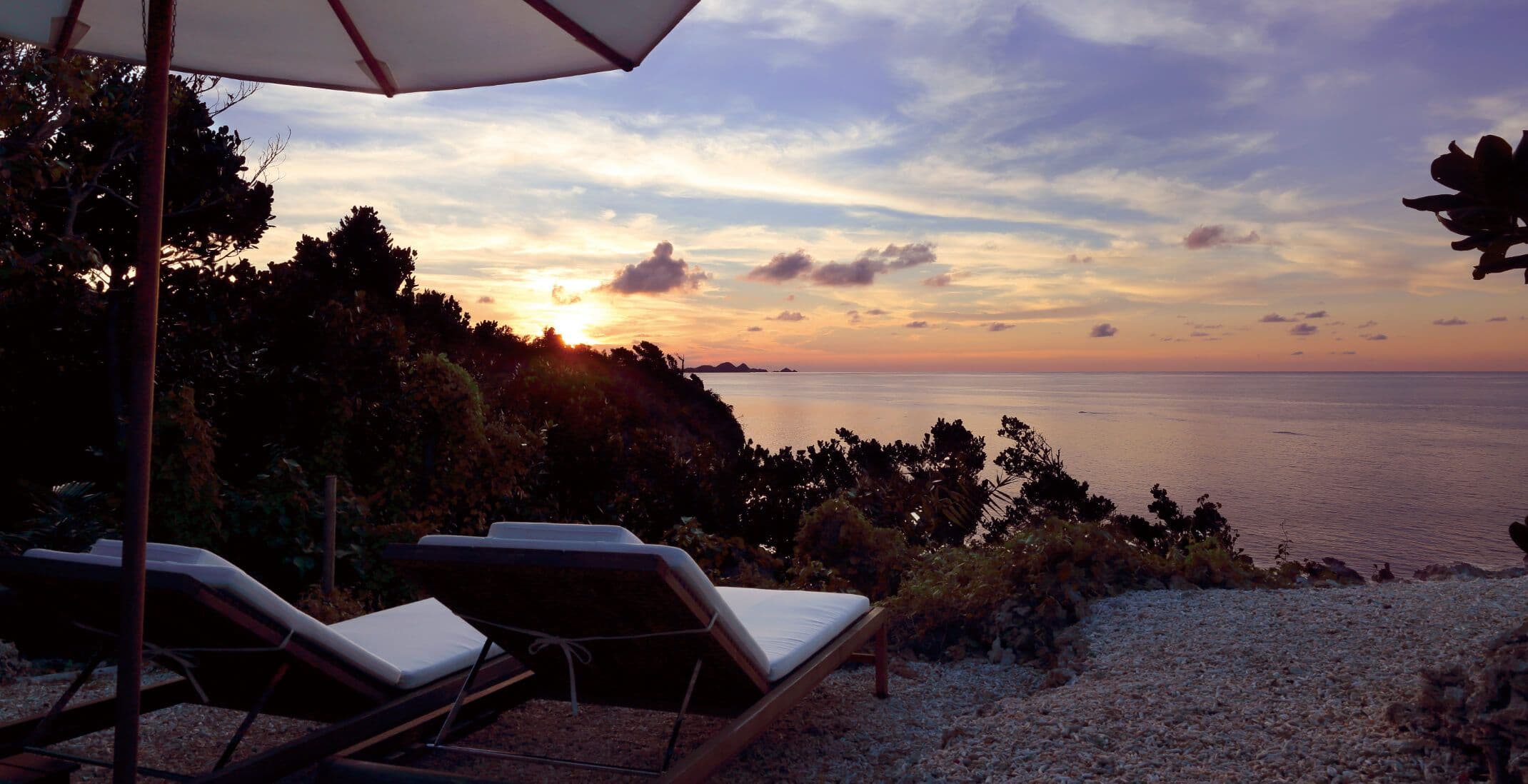
Redefining the Value of Luxury Resorts Through the Stay Experience
A branding project that integrated nature, architecture, and the stay experience to establish a new value for villa-style luxury resorts in Japan.
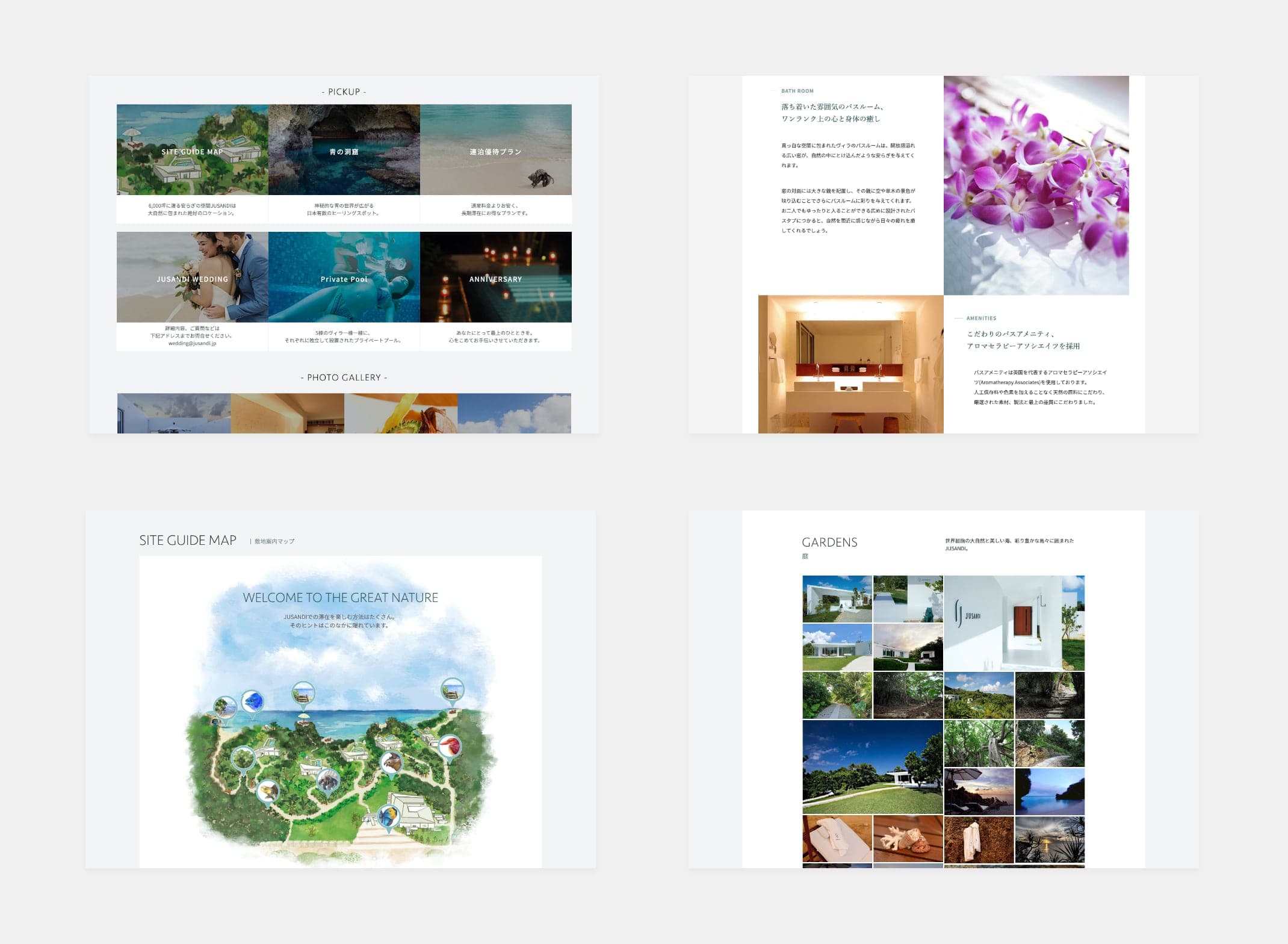
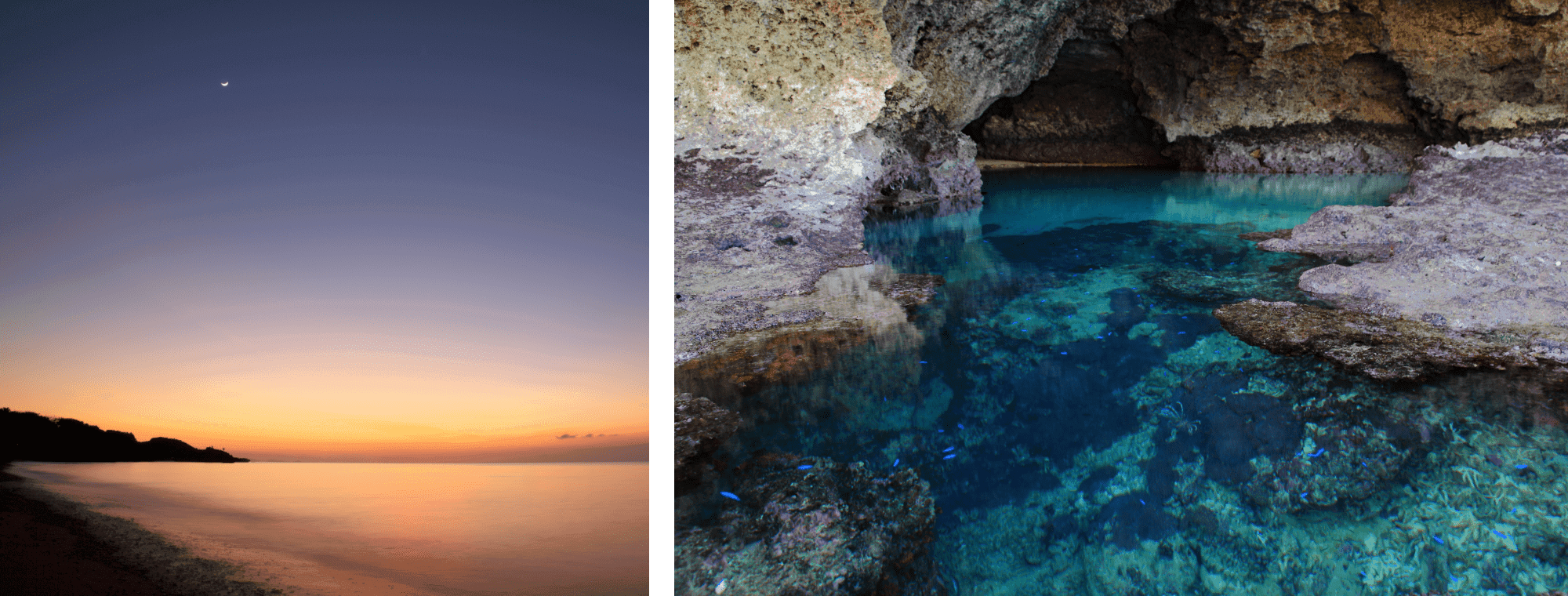
JUSANDI is an all-suite luxury villa resort consisting of only five villas, located within the vast natural environment of Ishigaki Island.
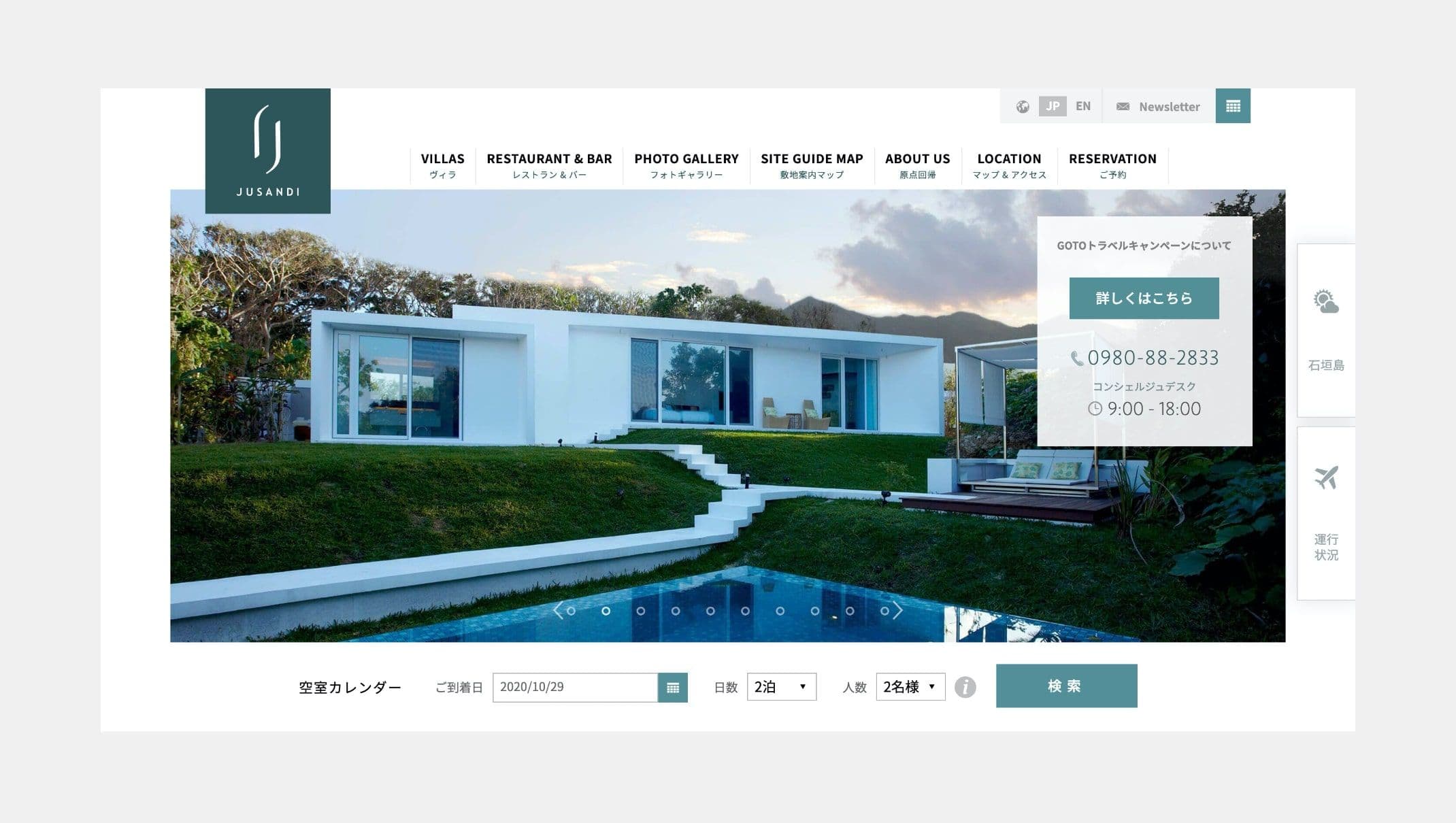
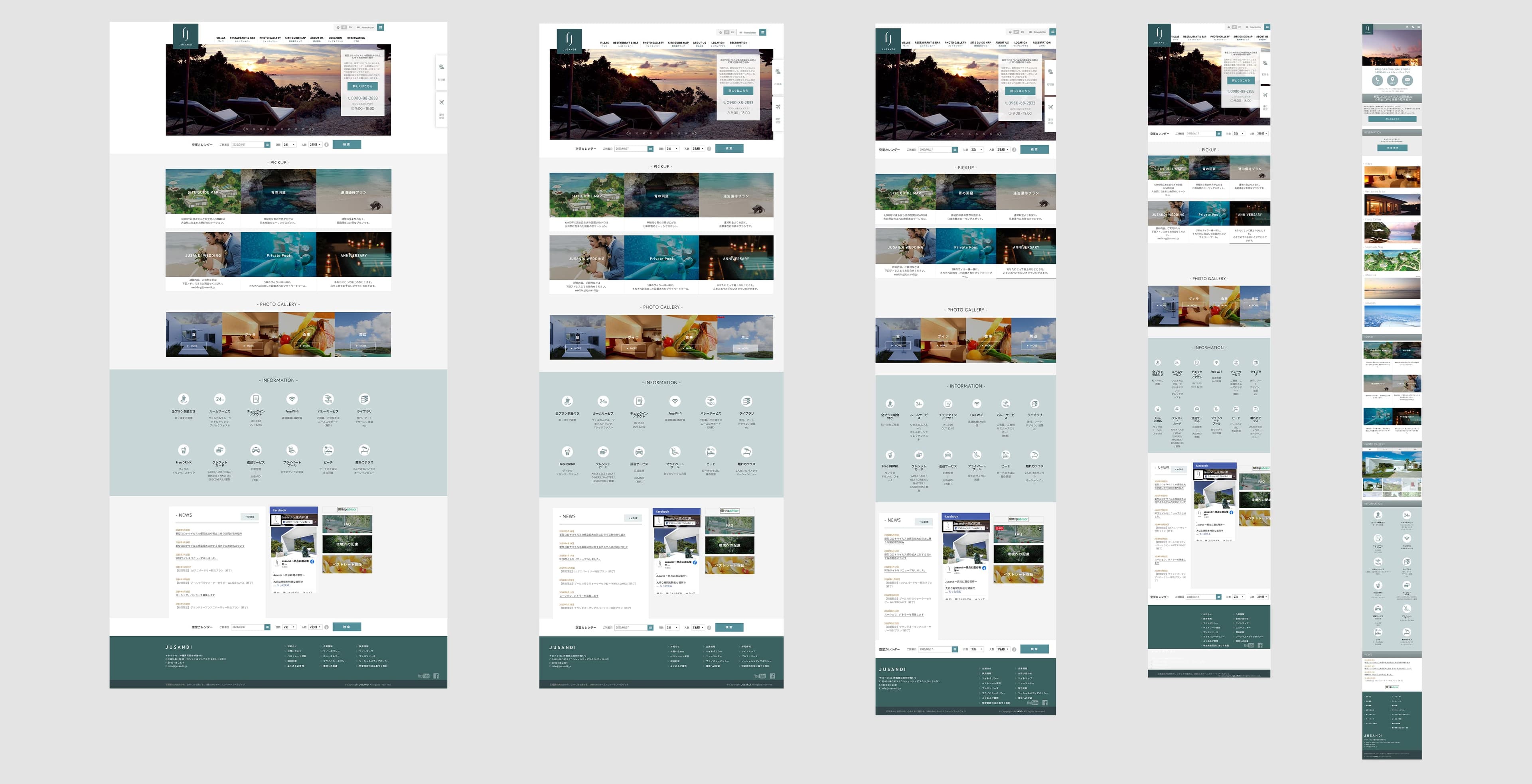
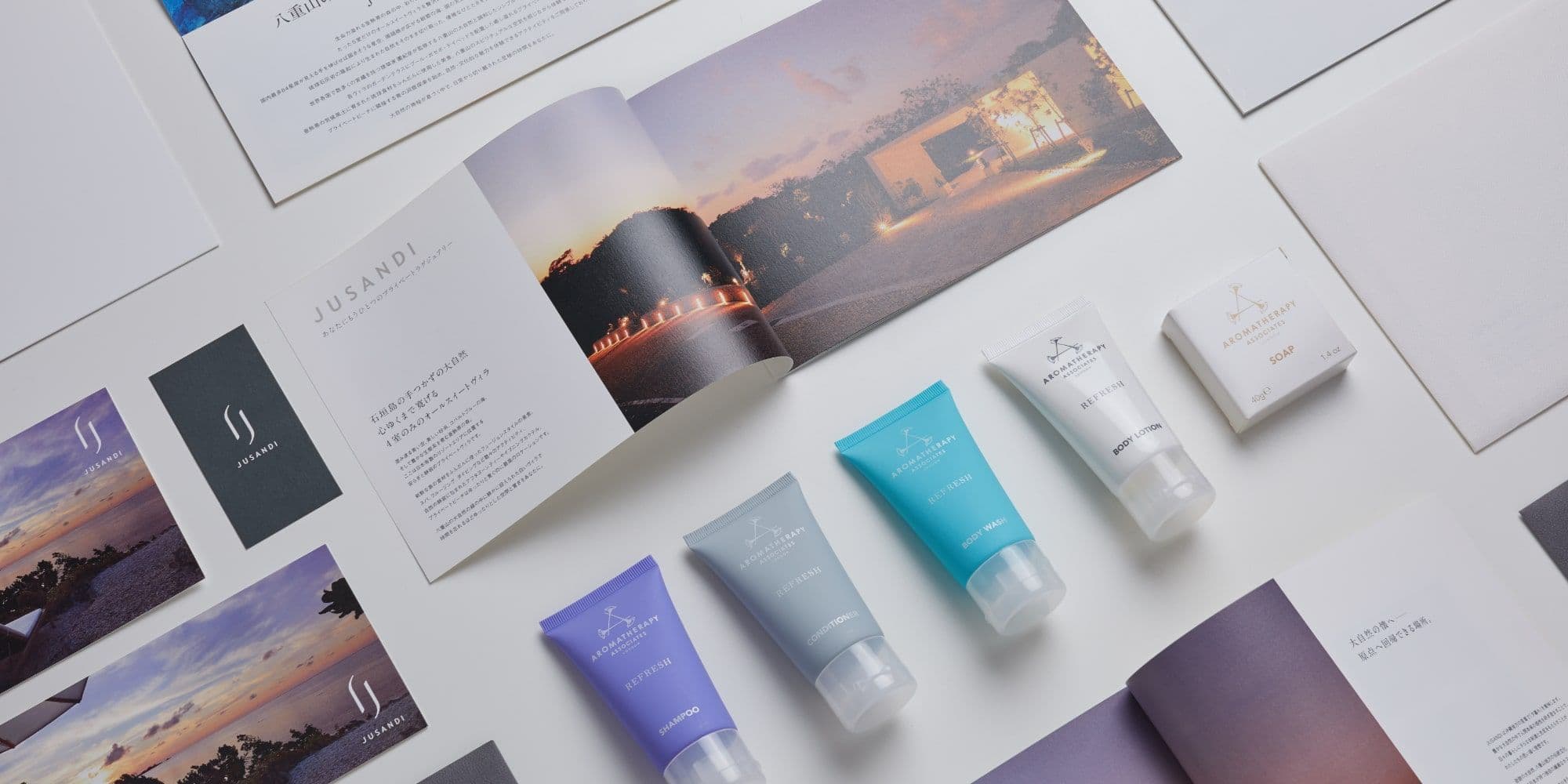
For this project, BOEL was responsible for the overall brand experience of JUSANDI, including brand concept development, communication design, copywriting, and website development.
At the time, luxury resorts in Japan were generally defined by “luxurious facilities” and an emphasis on “high-end hospitality.”
However, the luxury resorts the owner experienced overseas were fundamentally different.
Spending time surrounded by vast nature across an entire island was not simply accommodation — it was an experience where people could reconnect with their natural senses through nature itself.
Deeply inspired by that experience, the owner began envisioning a place in Japan where people could truly relax, rebalance themselves, and restore their senses.
Yet at that time, there were very few luxury resorts in Japan built around the concept of “turning the stay experience itself into value.”
To address this, BOEL researched globally recognized luxury resort brands such as AMAN, One&Only Resorts, and Six Senses to understand what affluent travelers around the world truly seek from a stay experience.
What became clear was that luxury is not defined simply by extravagance, but by the quality of time and experience a place can provide.
BOEL translated this global approach to experiential luxury into the cultural and natural context of Japan and Ishigaki Island, rebuilding it as the core brand experience of JUSANDI.
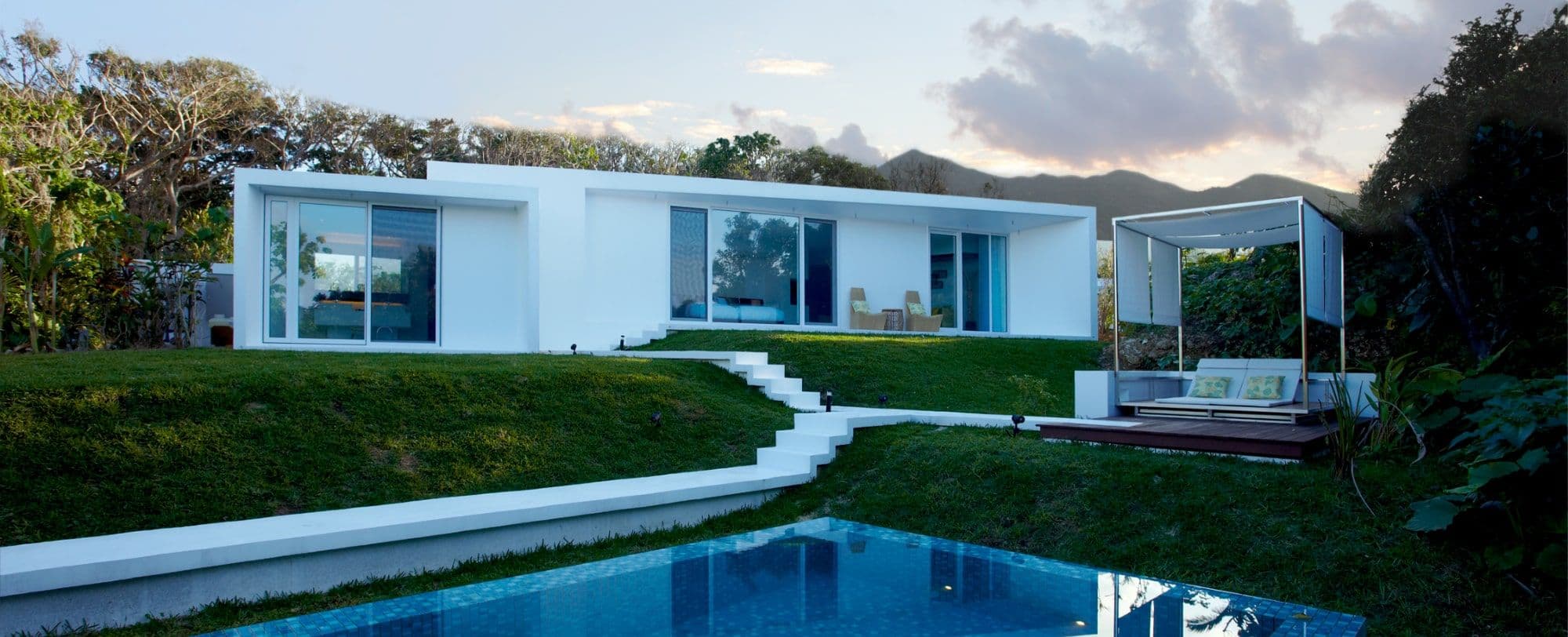
The architecture was designed by renowned architect Norihiko Dan, known for projects such as the renovation of Taiwan Taoyuan International Airport Terminal 1, COREDO Muromachi, and Omotesando Keyaki Building.
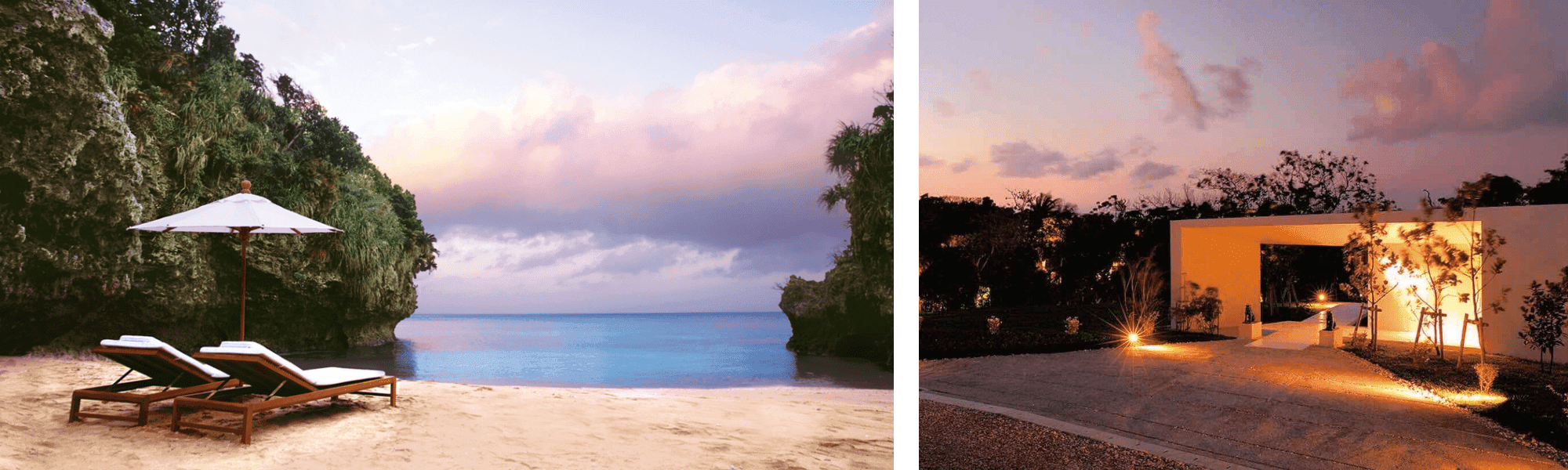
Based on the concept of “White Architecture Within Greenery,” the resort was designed as a modern white space quietly nestled within a subtropical forest.
JUSANDI also became a major turning point for BOEL itself.
Through this project, BOEL gained deep insight into the importance of designing not only physical spaces, but also the emotions, memories, and experiences people take home from a stay.
It became the foundation for BOEL’s current philosophy surrounding brand experience design and spatial branding.
Context
Luxury facilities alone could not communicate a new kind of value
At the time, luxury in Japan was commonly associated with premium facilities and high-end services.
As a result, JUSANDI’s concept — creating value through quiet time spent in nature — was not yet widely understood in the market.
Although there were many resorts competing through luxury and service quality, very few approached branding from the perspective of how a stay could transform a guest’s senses and perception of time.
In addition, many resorts were designed around shared guest circulation, making it difficult to fully experience the silence, privacy, and sense of liberation that people truly seek in a resort environment.
What JUSANDI aimed to create was not simply a luxurious place.
It was an experience where people could reconnect with their natural senses and restore mental balance by immersing themselves in silence, fresh air, and nature itself.
However, that value could not be communicated through architecture and facilities alone.
The project needed to answer questions such as:
“Why does spending time in this environment have value?”
“Why can silence and emptiness themselves become luxury?”
A new definition of luxury had to be communicated to the market as a brand experience.
To achieve this, architecture, nature, guest flow, service, dining, and activities all needed to be unified under a single brand concept, while the stay experience itself had to be clearly expressed and visualized.
Approach
Designing not a hotel, but the experience of time itself
BOEL redefined JUSANDI not simply as a luxury resort, but as a stay experience where people could quietly reconnect with their natural senses.
The goal was not merely to showcase beautiful architecture or scenery.
What mattered was:
“What kind of time flows in this place?”
“How does this environment gradually release and restore the mind and body?”
The experience itself became the brand.
BOEL handled everything from brand concept development to copywriting and website creation, building a unified world around JUSANDI.
Rather than excessively emphasizing luxury or extravagance, the brand expression focused on the atmosphere of silence, openness, and the gradual release of human senses within nature.
The resort also adopted an all-suite villa layout designed to minimize guest interaction, creating an environment where visitors could spend uninterrupted time facing themselves.
In addition, architecture, nature, dining, scent, and silence were integrated into one cohesive experience, creating a stay value centered around restoring the five senses.
The goal was never to create “a place to consume luxury.”
Instead, it was to design time itself as value — a place where people could breathe deeply in nature and quietly reconnect with their authentic selves.
Outcome
From luxurious accommodation to an experience where time itself becomes the value
Through these efforts, JUSANDI established a unique position not simply as a hotel, but as a brand offering deeply restorative experiences in nature.
Guests no longer remembered only the facilities or services. They remembered how they spent their time and how the experience made them feel physically and mentally restored.
At the time of its opening, JUSANDI’s philosophy was still highly progressive within Japan.
However, as villa-style resorts and wellness luxury markets expanded globally, JUSANDI’s concept — turning quiet time in nature into value itself — began receiving broader recognition.
Today, the resort is highly regarded not only domestically, but also among international travelers, establishing a distinct presence within the inbound luxury market.
This approach to brand experience design later became a precursor to the rise of villa-style luxury resorts and experiential hospitality in Japan.
In 2024, JUSANDI received the Michelin Guide “2 Michelin Keys,” and was selected again in 2025 for the second consecutive year.
This recognition reflects not simply the quality of its facilities, but the quality of time and experience it provides.
Furthermore, receiving global recognition at this scale is extremely rare, proving that JUSANDI successfully transformed the stay experience itself into a brand.
As a result, this project became more than a hotel branding initiative.
It became an effort to redefine the meaning of luxury itself through the value of how people spend their time.
At the same time, it marked a shift in Japan’s luxury resort culture — from valuing extravagance to valuing experience.
Logo
Symbol

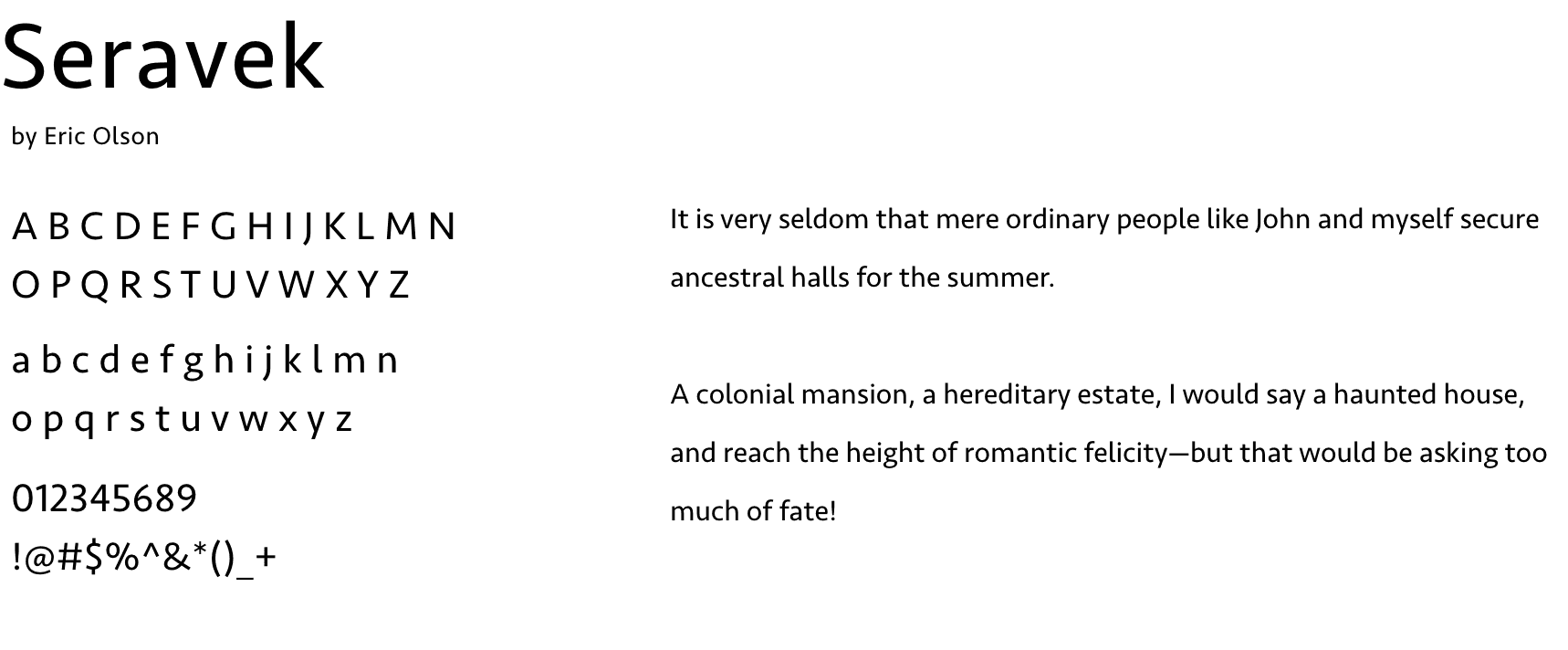
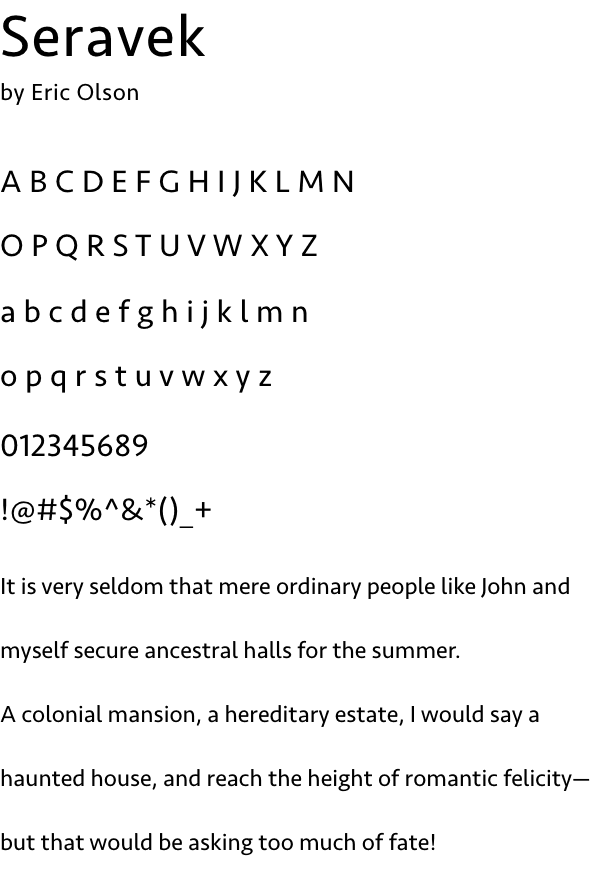
Type
faces
Color
Schemes
RGB / 151 165 168
CMYK / 10 2 0 34
HEX #97A5A8
RGB / 60 97 96
CMYK / 81 58 61 11
HEX #3C6160
RGB / 50 69 72
CMYK / 83 68 66 30
HEX #324548



NEXT
MY HOME MARKET