
Beyond Performance, Toward Better Experiences.
People’s lifestyles, ways of working, and perceptions of space changed dramatically during the pandemic. As awareness of air quality and ventilation increased, society began rethinking what it truly means to create environments where people can feel safe, comfortable, and at ease in both work and daily life.
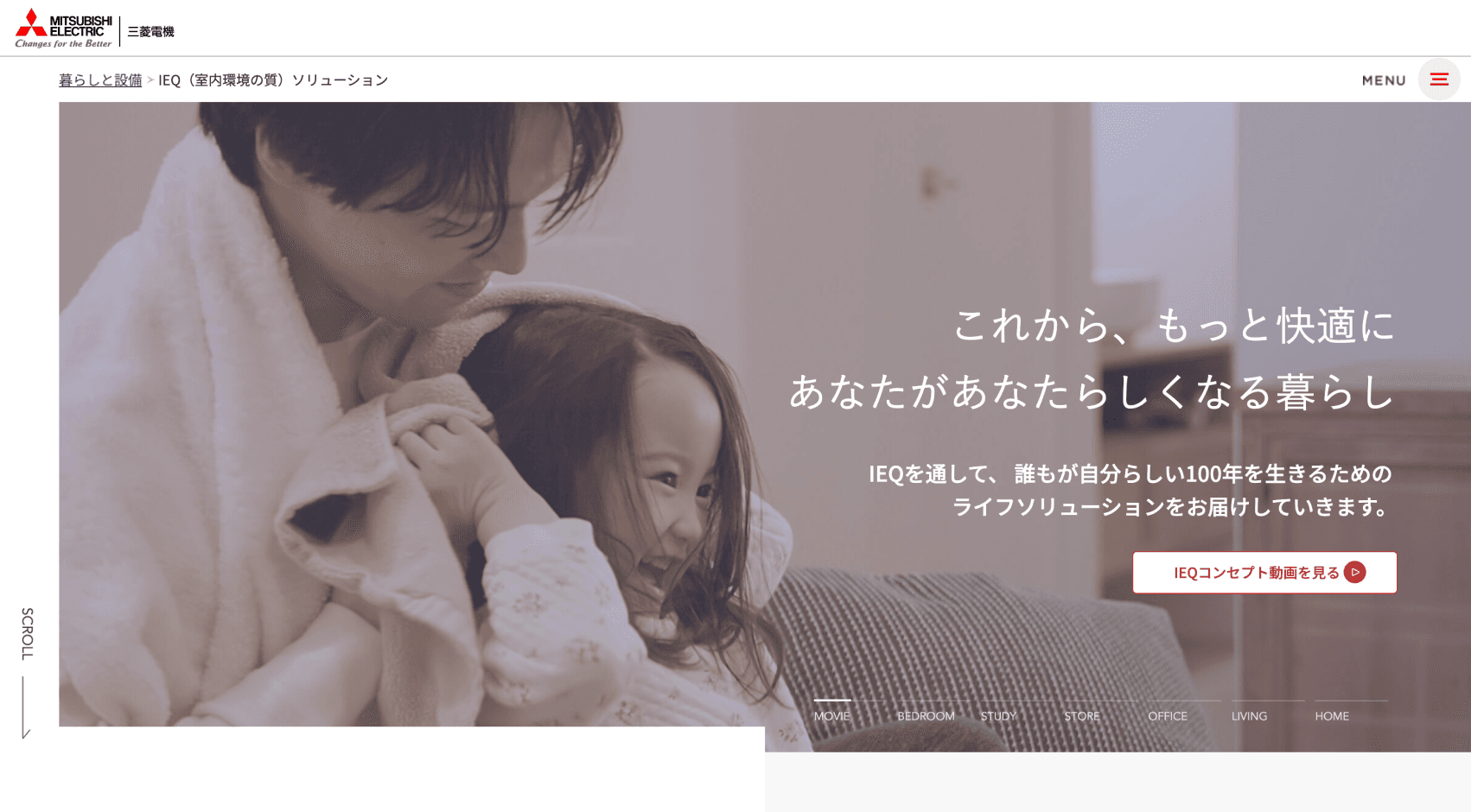
Against this backdrop, Mitsubishi Electric introduced “iEQ (Indoor Environmental Quality),” a new concept that went beyond simply improving air conditioning and ventilation performance. Instead, it proposed a holistic approach to designing optimal indoor environments where people can genuinely feel comfortable.
In this project, working alongside Mitsubishi Electric’s corporate campaign “Share Happiness,” we reframed indoor environmental quality not as a matter of equipment, but as a spatial experience that supports human well-being. Through a comprehensive brand communication strategy, we developed ways to express the comfort, safety, and peace of mind people fundamentally seek in their environments.
Context
The Ideal Environment for Human Comfort Was Difficult to Visualize
iEQ is a solution designed to improve the quality of indoor environments through air conditioning, ventilation, lighting, and sensing technologies. However, while its technical and functional aspects were relatively easy to understand, the essential value it provided — how people actually feel and live within those spaces — was far more difficult to communicate.
At the time, public attention was increasingly focused on air quality and ventilation performance. Yet society was still searching for ways to connect those technical elements with emotional values such as comfort, peace of mind, and well-being.
In addition, conventional environmental and HVAC solutions were typically communicated through specifications, performance metrics, and technical superiority. While those strengths could be understood logically, it remained difficult for people to intuitively grasp the human value behind them.
Indoor environments are not simply about controlling air. They shape spaces where people feel safe, focused, relaxed, and able to live naturally. The challenge of this project was how to communicate that deeper value to society.
Approach
Reconstructing the Value of “Spaces Where People Feel Comfortable”
This project began by redefining iEQ not as an equipment solution, but from the perspective of how people emotionally experience space.
A comfortable indoor environment is not simply about optimizing temperature or air quality. It directly affects concentration at work, emotional security in daily life, and the ability for people to spend time naturally and comfortably within a space.
For this reason, we redefined “comfort” not as a numerical performance metric, but as a form of human well-being that people fundamentally seek.
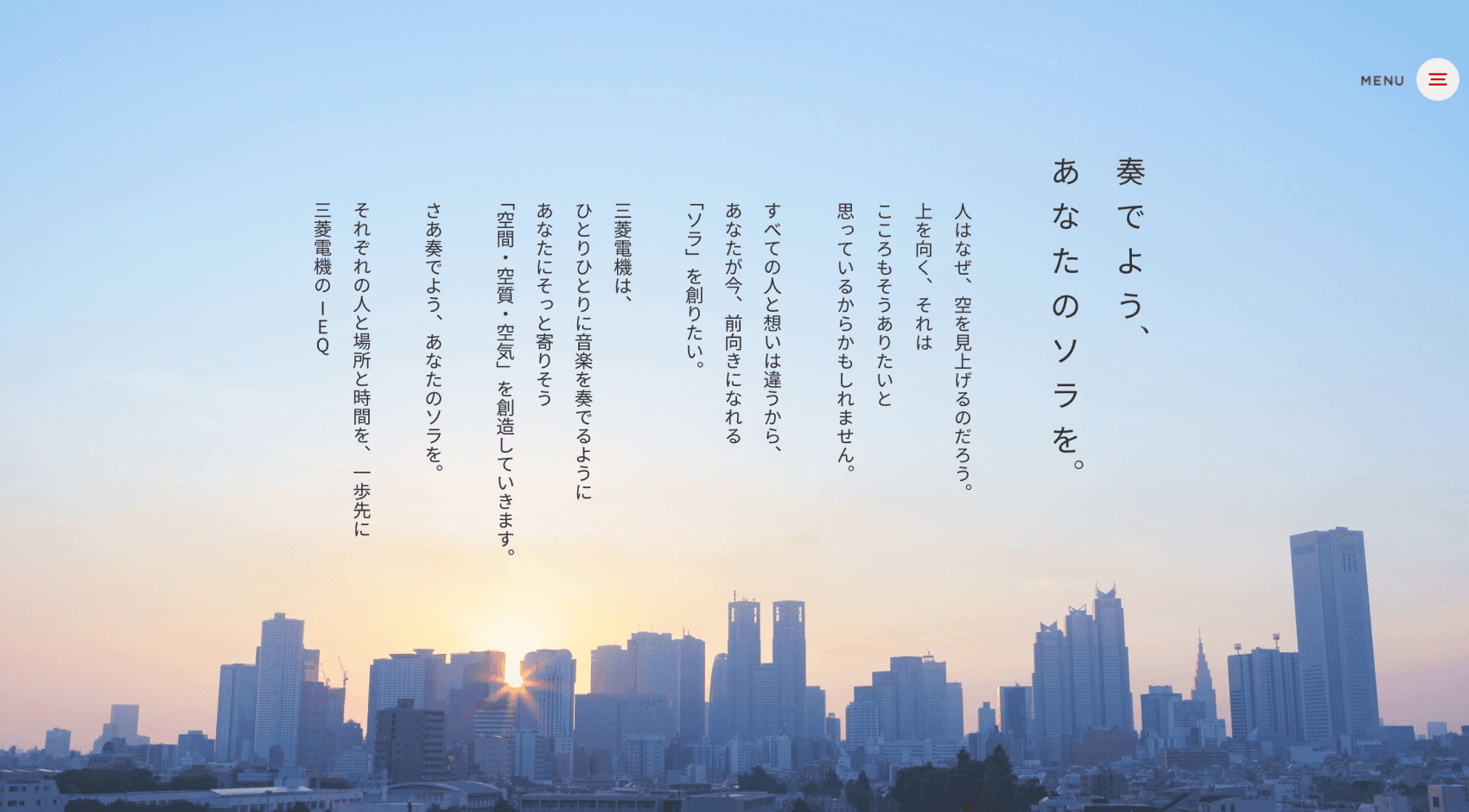
Based on this idea, we reconstructed the entire brand communication strategy. Rather than explaining technical systems or specifications, we focused on expressing the flow of time within a space, how people interact with the environment, and the atmosphere they naturally experience. Through this approach, iEQ was positioned as a brand that supports spatial experiences rather than simply environmental equipment.
The project also connected with Mitsubishi Electric’s broader corporate message, “Share Happiness,” reframing indoor environmental quality as something deeply linked to human comfort, happiness, and quality of life. Rather than focusing only on environmental performance, the project reconsidered what kinds of spaces allow people to live, work, and spend time more meaningfully, presenting a new perspective on the value of indoor environments.
Outcome
From Equipment Performance to a Brand Chosen for Human-Centered Spatial Experiences
Through these efforts, iEQ evolved beyond a conventional environmental equipment solution into a brand that represents spaces where people can truly feel comfortable.
Users are now able to imagine not only the technical performance of air conditioning or ventilation systems, but also the kinds of experiences, comfort, and peace of mind those environments can create.
In addition, the project established a consistent brand expression across multiple touchpoints, creating a new perception of indoor environmental solutions — not as purely technical systems, but as spatial experiences that support human well-being.
Furthermore, the idea of “designing spaces where people can live better,” rather than simply “providing equipment,” became aligned with Mitsubishi Electric’s broader direction for future brand communication.
As a result, this project went beyond conventional product and technology promotion and became an initiative that proposed a new vision for indoor spaces in a post-pandemic society.
This project was strongly supported by a client team committed to delivering the essential human values of comfort and peace of mind to society — not merely as equipment performance, but as meaningful spatial experiences.
Their sincere dedication to improving people’s lives, work environments, and overall indoor experiences left a lasting impression on us as well.
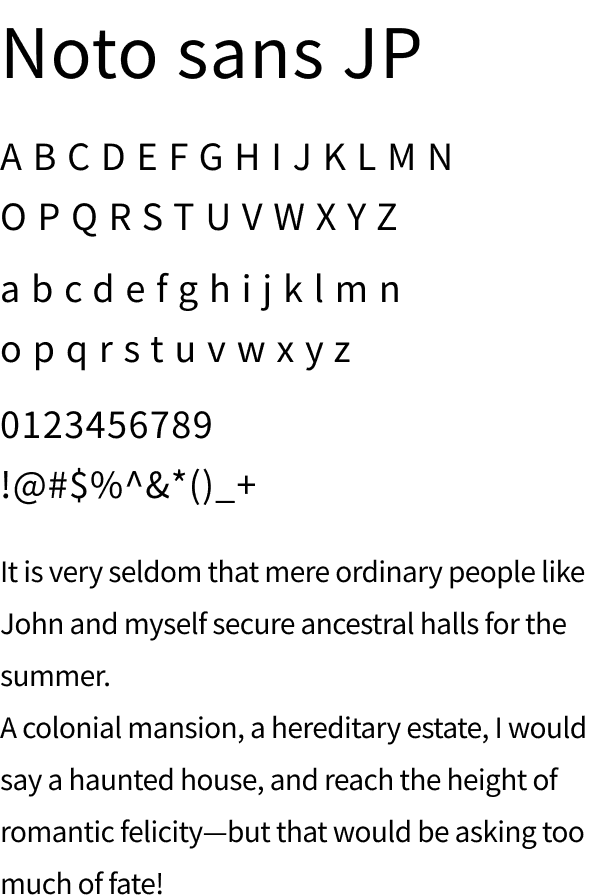
Type
faces

Color
Schemes
RGB / 255 255 255
CMYK / 0 0 0 0
HEX #FFFFFF
RGB / 224 221 213
CMYK / 0 1 94 12
HEX #E0DDD5
RGB / 188 48 3
CMYK / 0 74 98 26
HEX #BC3030


NEXT
USTECH